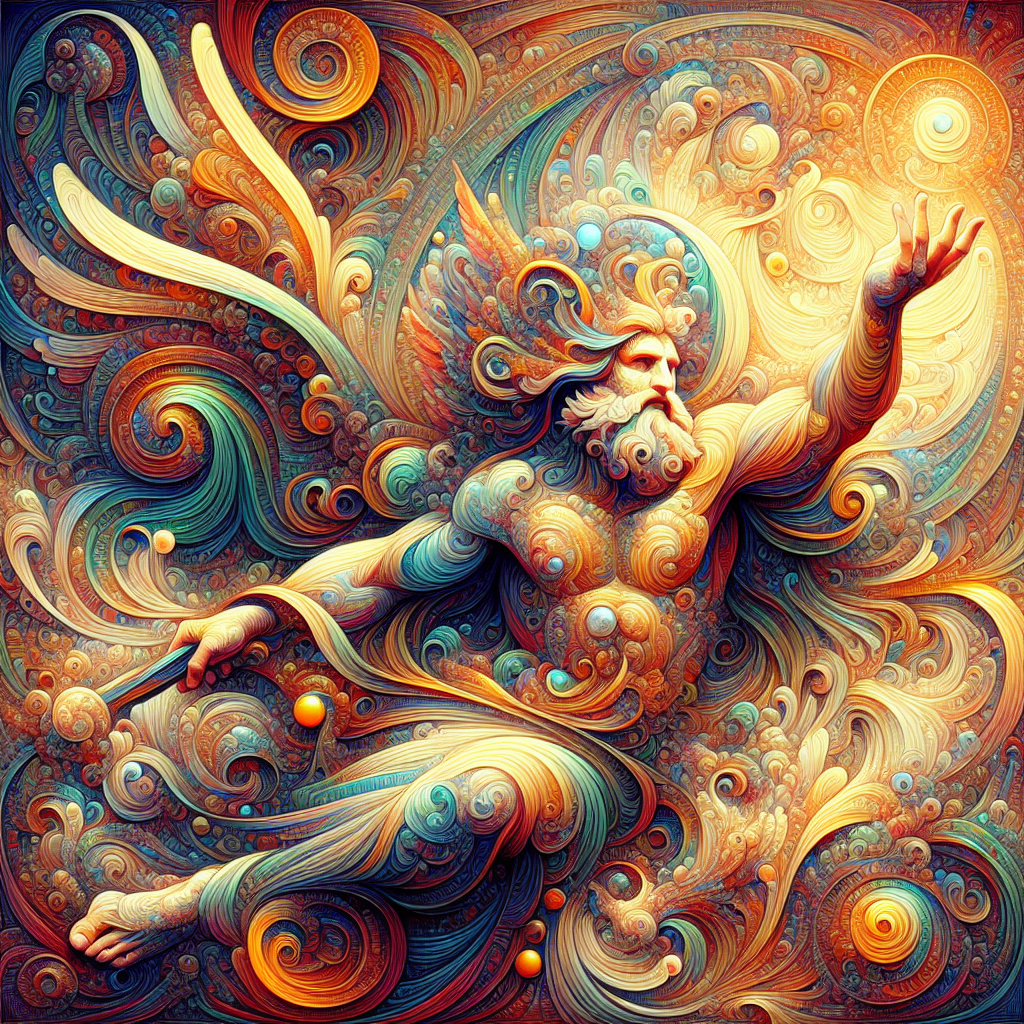

The Devil's in the Details: The Rise of Satanic Art
In the world of art, where creativity knows no bounds, a new trend has emerged that is both captivating and controversial: Satanic art. This genre, which has been gaining traction over the past few years, is characterized by its use of dark, often macabre imagery and themes that challenge traditional religious and societal norms. Artists from around the globe are embracing this style, using it as a medium to explore complex themes of rebellion, identity, and freedom. The rise of Satanic art can be traced back to the increasing secularization of society and a growing interest in alternative spiritualities, particularly among younger generations who are questioning the status quo.
Satanic art is not about worshiping the devil, as some might assume. Instead, it often serves as a critique of organized religion and a celebration of individualism. Many artists use Satanic symbols and imagery to provoke thought and spark conversation about the nature of good and evil, morality, and the power structures that govern our lives. This art form can be seen as a response to the rigid dogmas that have historically dominated Western culture, offering a space for those who feel marginalized or oppressed to express themselves freely.
Critics of Satanic art argue that it is offensive and blasphemous, claiming that it promotes negative values and undermines societal morals. They worry that the use of such provocative imagery could desensitize people to violence and evil. However, supporters of this art form argue that it is a powerful tool for self-expression and social commentary. They believe that by confronting taboo subjects, Satanic art encourages viewers to question their beliefs and consider alternative perspectives.
The popularity of Satanic art can also be attributed to the rise of social media platforms, which have provided artists with a global stage to showcase their work. Instagram, in particular, has become a hub for artists to share their creations and connect with like-minded individuals. This has allowed Satanic art to reach a wider audience and gain acceptance in mainstream culture. Additionally, the internet has facilitated the spread of information about alternative spiritualities, leading to a greater understanding and appreciation of the themes explored in Satanic art.
While Satanic art may not be everyone's cup of tea, it undeniably plays a significant role in the contemporary art scene. It challenges viewers to confront their preconceived notions and engage in meaningful dialogue about the world around them. For many artists, it is a way to reclaim their power and assert their individuality in a society that often seeks to suppress dissenting voices.
As with any art form, the interpretation of Satanic art is subjective. What one person may see as offensive, another may view as thought-provoking and inspiring. It is this diversity of opinion that makes art so powerful and essential to the human experience. By pushing boundaries and exploring the darker aspects of life, Satanic art invites us to reflect on our values and consider the complexities of the human condition.
In a world that is increasingly divided, Satanic art serves as a reminder of the importance of open-mindedness and empathy. It encourages us to look beyond the surface and seek a deeper understanding of the issues that shape our lives. Whether you love it or hate it, there is no denying that Satanic art has made its mark on the cultural landscape, challenging us to think critically and embrace the full spectrum of human expression.