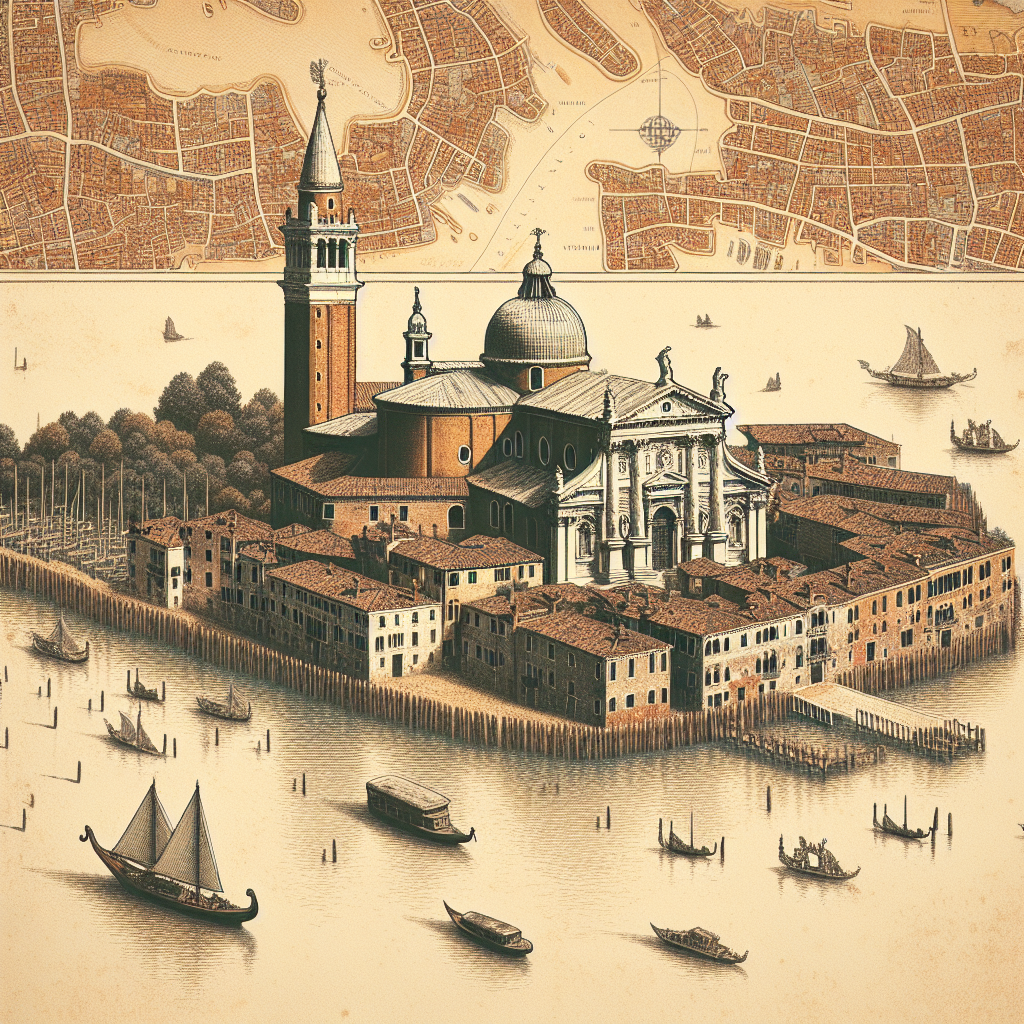

Imagine stumbling upon a forgotten gem in the enchanting Venetian Lagoon; that’s San Giacomo in Paludo for you. Situated between Murano and Torcello, this small island boasts a fascinating history, stretching back to 1046 A.D. when it first saw the light of day. Architecturally intriguing and cloaked in the whispers of centuries past, it has served as a monastery, quarantine facility, and even a military site. Today, these overgrown remnants offer us a peek into the layers of history, reflecting how humans have shaped and have been shaped by this little patch of earth.
Its story begins with the founding of a monastery by the Benedictine monks, which conferred upon it a sense of serenity. This phase lasted for three centuries before the island was transformed to serve the Republic of Venice as a quarantine station, a crucial task during times when the bubonic plague rampaged across Europe. Walking around San Giacomo now, one can almost hear the echo of its past, filled with monks' whispers and the calls of quarantined sailors, reminding us of humanity's continuous battle against nature’s forces.
After Venice lost its maritime dominance, the island was nearly abandoned until the mid-19th century when it briefly came under military use. It would be easy to dismiss San Giacomo in Paludo as merely another victim of neglect, but in its current wild state, the island captivates all who venture there. Its decaying buildings entwine with vines and plants, embodying nature’s reclamation of human endeavors. It's a poignant scene that reflects broader discussions in our current era about preserving history versus letting nature take its course.
Tourists often overlook this island, which has its own charm. It’s a place away from crowds, almost like a personal time machine. As you stroll along its paths, the line between human history and nature's art becomes blurred. The ruins are not just relics but canvasses embellished by the hands of weather and time. For those interested in both history and sustainability, San Giacomo in Paludo is a silent teacher, patiently waiting to impart lessons on the coexistence of man-made structures and the natural world.
For the younger generation, enmeshed in the hustle and digital pace, a visit to places like San Giacomo offers a valuable respite. It speaks of ancient resilience, of sustainable cohabitation with nature—a narrative increasingly relevant as urban sprawl continues. Yet, there’s validity in opposing views which argue that such places are better preserved online rather than in the physical realm, where they might only decay further. But is that necessarily bad? To watch history meld into the soil could be seen as merely another form of life perpetuating on Earth.
The path forward is often inscribed with debate. Some advocate for restoration, breathing new life into such historical sites for the public’s benefit. Others caution against these efforts, foreseeing a loss of the wild beauty and the genuine rawness that comes with the ruins. It's a fine balance of preservation, education, and natural beauty—complicated and unresolved.
Walking through San Giacomo in Paludo today, you might reflect on how history and nature intertwine. Would preserving it in digital memory serve as a better homage, or should its physical presence continue to speak an untamed language? No clear answer exists, yet the questions persist as you wander among moss-covered walls and sun-dappled clearings, breathing life into forgotten tales.
This island beckons to those yearning for more—more understanding, more peace away from modern chaos, and more connection to a chain of human stories often missing from instant culture. For students studying history or environmental science, artists seeking inspiration, or travelers seeking the road less traveled, San Giacomo in Paludo provides a rich tapestry to explore and discuss the complex relationships between human action and natural response.