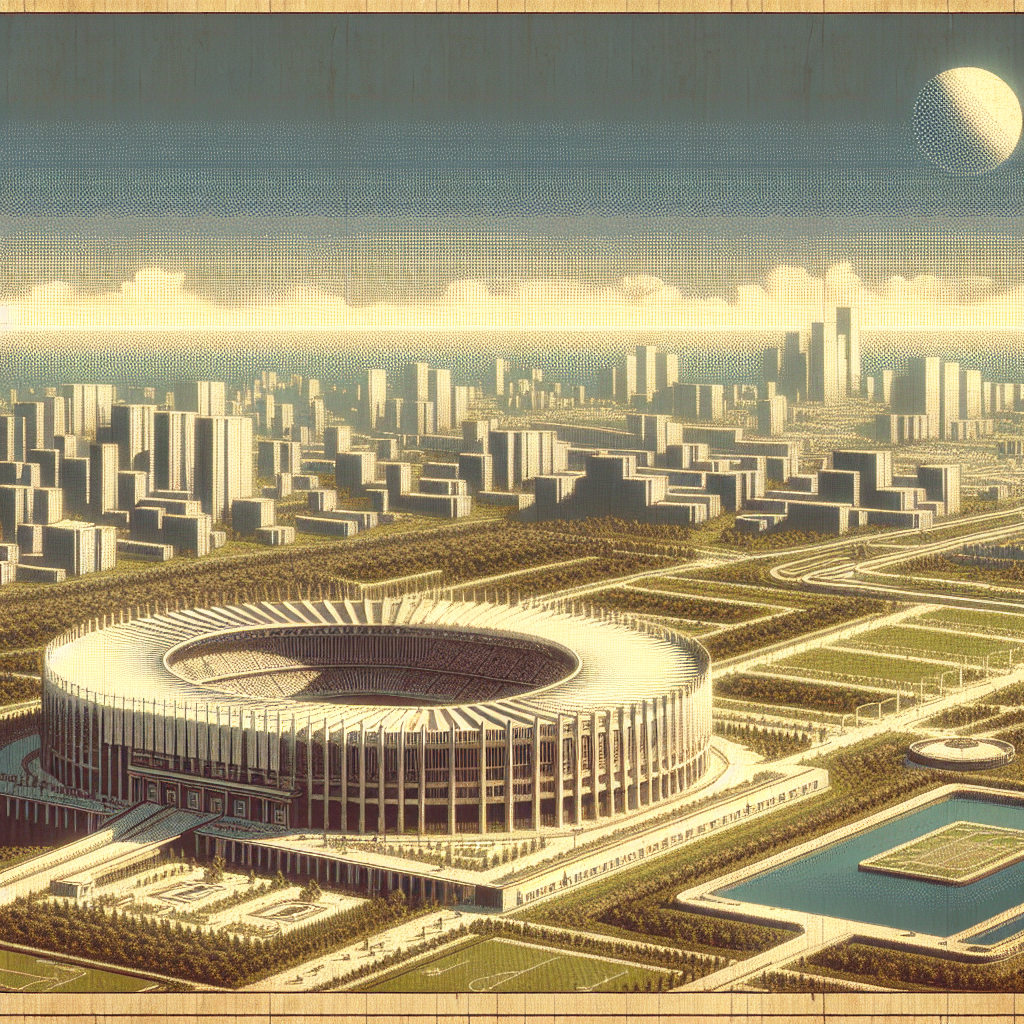

Imagine a sprawling stadium where the echoes of cheering crowds and the passionate roar of ardent sports fans converge. This isn't just any sports ground; it's the Samuel Kanyon Doe Sports Complex, a beacon of athletic spirit located in Paynesville, near Monrovia, the capital city of Liberia. Named after the 21st President of Liberia, Samuel Kanyon Doe, the stadium got its inauguration in the 1980s, during a time when the country was weaving its narrative on the loom of both leisure and turmoil.
The complex stands as a testament to the resilience and passion for sports within Liberia. Built during Doe’s presidency and officially opened in 1986, it serves as a cultural and sporting hub for the Liberian people. The sprawling structure has seen the community come together for both celebratory and solemn events over the years. It is not just a place of games and matches; it is a storied arena where Liberia showcases its love for athletics, particularly football.
Despite Liberia’s turbulent history marked by civil unrest, the Samuel Kanyon Doe Sports Complex has been a symbol of unity. During times of conflict, the stadium became a refuge for many of those displaced by warfare — a reminder that such spaces hold the power to protect as well as entertain. It's a paradox that a place meant for competition also offers solace, emphasizing how sports venues can become touchstones of hope in troubled times.
The stadium, with a seating capacity of around 35,000, is still the largest in Liberia. Its expanse accommodates not only football matches but also hosts athletic events and national celebrations. The games held here attract crowds with palpable excitement, underscoring how sports can break the barrier of language and culture. While primarily it plays host to football matches — the sport that fires the hearts of many Liberians — the complex is also home to athletics competitions.
Bringing people together, the stadium has had its share of international attention, hosting various Pan-African events as well as FIFA-sanctioned matches. This boosts not only the morale of the local teams but also shines a spotlight on Liberia, encouraging tourism and international camaraderie through sports. Such events are stimulants to the economy too. They promote tourism and hospitality, and occasionally, they can impact policy decisions, aligning them with international standards of sports hosting.
The sports complex also draws criticism. Maintaining a stadium of such size and importance amid a country grappling with economic woes presents many challenges. Critics point out the financial constraints of keeping the stadium in prime condition. Resources needed for healthcare, education, and basic infrastructure can often sideline maintaining a vast complex like the Samuel Kanyon Doe Sports Complex. There's a frequent debate between the value of investing in sports versus fundamental societal needs.
However, it’s crucial to recognize the social benefits that arise from having such a multipurpose venue. It creates jobs, builds community spirit, and provides a platform for young athletes. Sports fandom is much deeper than merely watching people play a game; it nurtures identity, provides emotional relief, and strengthens bonds. While it’s easy to overlook these intangibles during economic downturns, the spirit that blossoms from sports can sometimes transcend immediate concerns.
On the flip side, some argue that sports complexes can divert focus from more urgent societal issues. In a place like Liberia, where infrastructure development is critical, critics argue that the allocation of resources towards sports might be shortchanging more pressing issues. These are valid concerns, yet one can note how cultural and community development are also significant drivers of societal progress.
Generations of fans have found a sense of community here. Taking in a football game is not just about watching players traverse the field, but about standing shoulder to shoulder with strangers transformed into family, chanting in unison, and sometimes forgetting life's woes for a few hours. The Samuel Kanyon Doe Sports Complex is both a public meeting ground and a space for personal memories.
The names of the fields and seats within the complex have witnessed laughter, tears, hopes, and defeats. Each game played marks another chapter in the ongoing story of Liberia's athletic pursuit. For Generation Z, who largely view global events and local happenings through digital lenses, this place is a reminder of the authenticity that the real world still offers. Beyond screens and gadgets, there's a canvas of grass and a narrative built on tradition and ambition ready to be explored. The Samuel Kanyon Doe Sports Complex remains a real testament to the indomitable spirit that empowers and progresses Liberia.