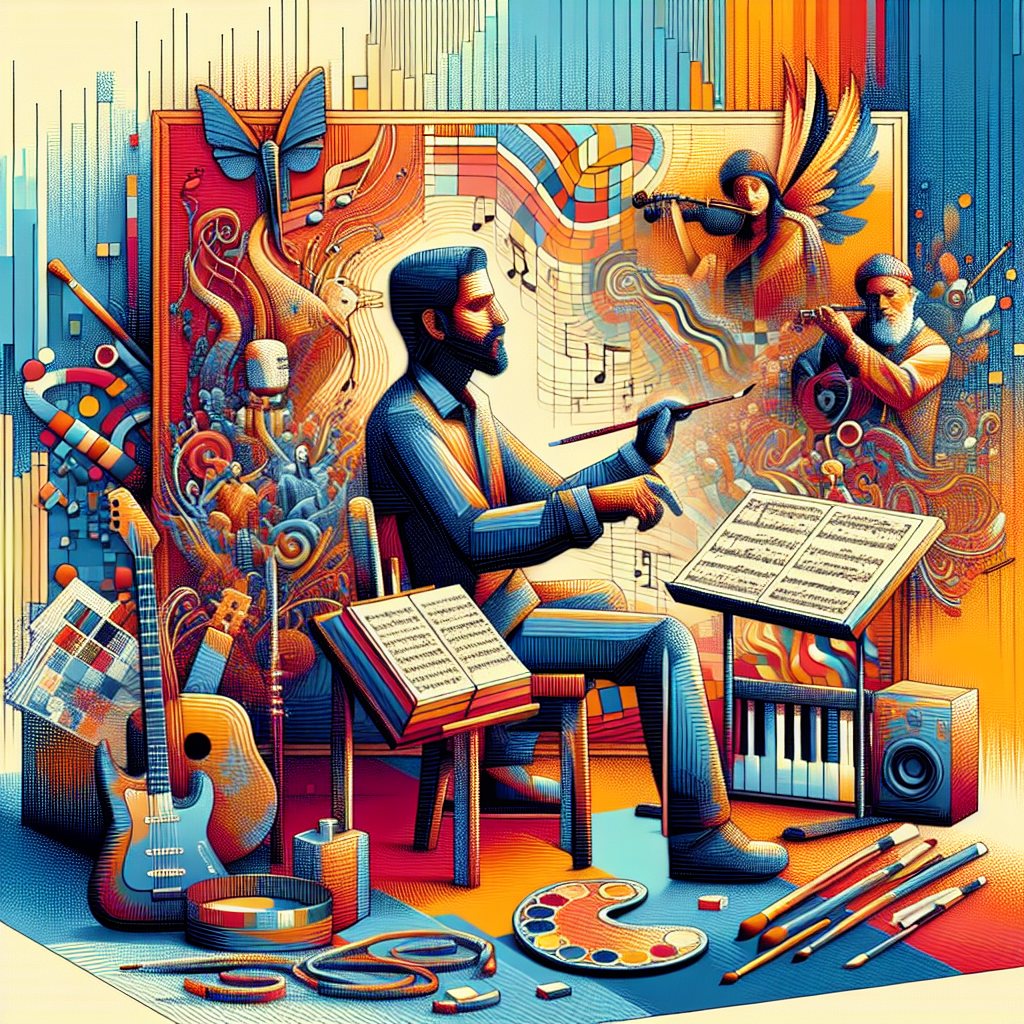

Saleel Kulkarni: The Melodic Maestro Bridging Generations
Imagine a world where music transcends language, culture, and time, and you might just find yourself in the realm of Saleel Kulkarni. Saleel Kulkarni is a renowned Indian music composer, singer, and writer who has been captivating audiences with his soulful melodies and poignant lyrics. Born in Pune, Maharashtra, Saleel has been a significant figure in the Marathi music industry since the late 1990s. His work spans across various platforms, including films, television, and live performances, making him a household name in the region. Saleel's music is celebrated for its ability to connect with listeners on a deeply emotional level, often reflecting the nuances of everyday life and the complexities of human emotions.
Saleel Kulkarni's journey into the world of music began at a young age. He was introduced to classical music by his mother, who was a trained classical singer. This early exposure laid the foundation for his musical career. Saleel's formal education in music was complemented by his academic pursuits, as he holds a degree in medicine. However, his passion for music eventually took precedence, leading him to pursue it full-time. This decision was not without its challenges, as balancing a career in music with societal expectations of a stable profession is no easy feat. Yet, Saleel's dedication and talent have proven that following one's passion can lead to success and fulfillment.
One of the most remarkable aspects of Saleel Kulkarni's music is its ability to resonate with people across different age groups. His compositions often blend traditional Marathi folk elements with contemporary sounds, creating a unique musical experience that appeals to both older and younger generations. This fusion of styles not only preserves cultural heritage but also introduces it to a new audience, ensuring its continuity. Saleel's work in films like "Sanai Choughade" and "Tula Kalnnaar Nahi" showcases his versatility as a composer, while his albums such as "Ayushyawar Bolu Kahi" highlight his lyrical prowess.
Despite his success, Saleel Kulkarni remains grounded and committed to his craft. He often speaks about the importance of staying true to one's roots and using music as a medium to express genuine emotions. This authenticity is evident in his live performances, where he connects with the audience on a personal level, sharing stories behind his songs and inviting listeners to reflect on their own experiences. Saleel's concerts are not just musical events; they are communal gatherings that foster a sense of belonging and shared understanding.
While Saleel Kulkarni's contributions to the Marathi music industry are widely recognized, it's important to acknowledge the broader context in which he operates. The Indian music scene is incredibly diverse, with each region boasting its own distinct musical traditions. In this landscape, artists like Saleel play a crucial role in bridging cultural gaps and promoting regional music on a national and international stage. By doing so, they challenge the dominance of mainstream Bollywood music and provide a platform for regional voices to be heard.
Critics of regional music often argue that it lacks the universal appeal of mainstream genres. However, Saleel Kulkarni's success is a testament to the fact that music's true power lies in its ability to evoke emotions and tell stories, regardless of language or origin. His work encourages listeners to appreciate the richness of regional music and recognize its value in the broader cultural tapestry.
In a world where cultural homogenization is increasingly prevalent, Saleel Kulkarni's music serves as a reminder of the beauty and diversity that exists within our own communities. His dedication to preserving and promoting Marathi music is not just an artistic endeavor; it is a cultural mission that inspires others to embrace their heritage and share it with the world. Through his melodies, Saleel Kulkarni continues to build bridges between generations, proving that music is indeed a universal language.