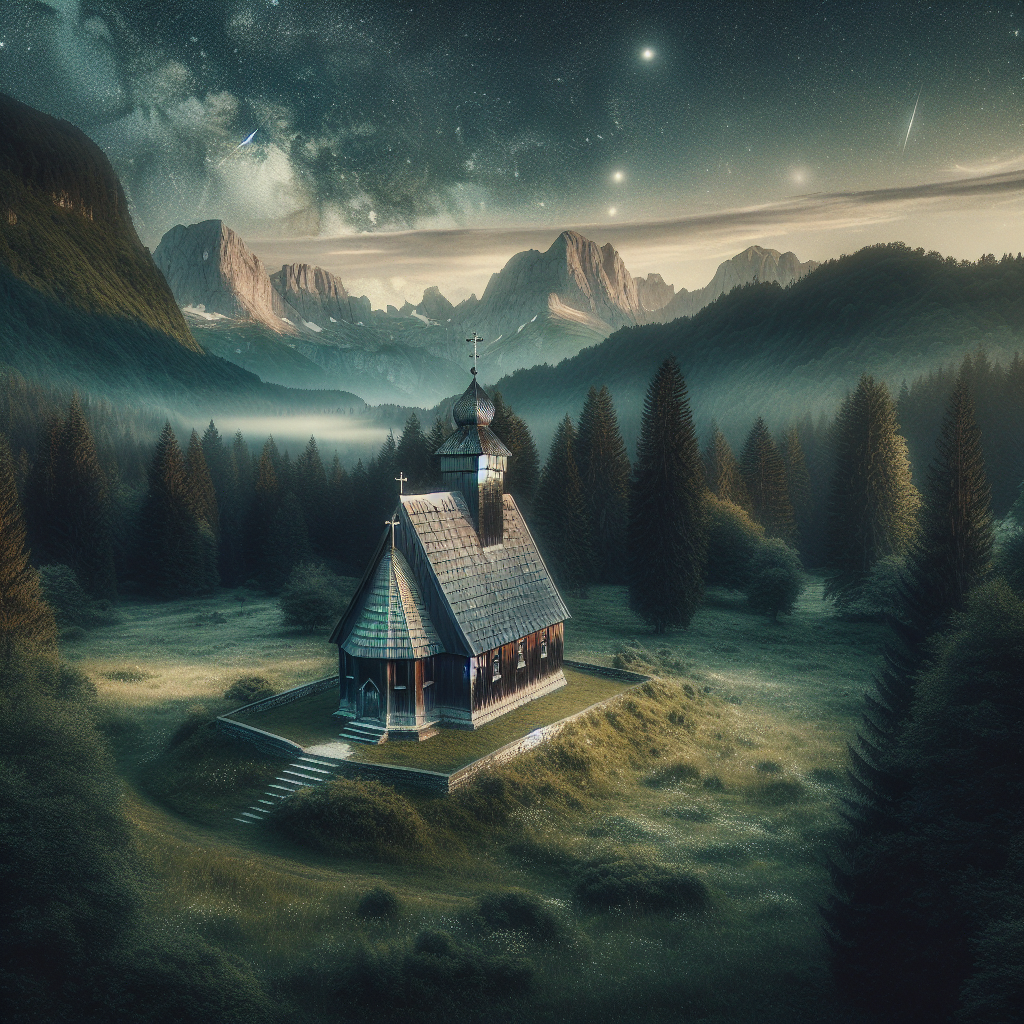

On a tiny island where time seems to stand still, lies Saint Magdalene Church, a masterpiece that resonates with history and echoes stories from centuries past. This is not your average island adventure, but rather a journey into the heart of Ruhnu Island in Estonia, where the oldest wooden building in the country stands with pride. Built in the 17th century, Saint Magdalene Church offers a glimpse into the past, showcasing the everyday lives of those who walked its floors long before our modern age reshaped the world around it.
The first question that might pop into your mind is, why build a church on such a small, remote island? During the Middle Ages, Ruhnu was predominantly inhabited by Swedes who were granted the land for settlement. The island, while isolated, was home to a community that centered its life around the church. These islanders, much like us today, sought a place of solace and spiritual gathering. In 1644, the wooden wonder was finished, crafted from materials locally sourced, boasting designs and techniques that have been preserved in their integrity to this day.
Saint Magdalene Church is a poignant symbol of connection with the past. Its wooden beams speak of resilience and innovation. The original timberwork is an impressive testament to the craftsmanship of an era that valued unity and religious devotion. With its strikingly simple design, the church embodies a silent elegance that shelters the timeless beauty of Nordic traditions. Walking through its doors is like stepping into a different world where whispers of history wrap around you like a comforting cloak.
Visiting the church is more than a chance to marvel at its architecture; it's a chance to engage in a dialogue with history. The tiny graveyard just outside is a reminder of the many generations who have come and gone, and the stories some may have whispered on lonely nights. For many, preserving these stories is vital. Saint Magdalene Church is not just a landmark; it's a link to a legacy, offering insights into past traditions that shaped entire cultures. For some islanders, it has been a steady fixture, adapting alongside shifting times and changing faiths.
What makes Saint Magdalene Church truly special isn't just its age. It's the resilience of the place, like a stubborn wildflower growing through cracks in a sidewalk. During its many years standing guard over the island, the church has seen the tide of history flow through, absorbing it all with a graceful stillness. It represents a blend of influences—Swedish roots mingled with Estonian evolution—that speaks volumes about cultural identity. It's a location where Swedish heritage survives but also thrives within an Estonian framework.
Critics might wonder why such efforts are made to maintain an old wooden building when so many face challenges today. It's certainly a valid point, especially as social problems calling for attention outnumber solutions. In an era where resources often appear scarce, investing in preservation is akin to charting unknown waters. Yet some argue that history forms the foundation of modern identities, and engaging with it gives us a greater understanding of who we are.
Lastly, this church is a reminder of sustainability in architecture, an ever-relevant concept as we face a climate crisis. Traditional building methods demonstrate how communities can harmonize with nature, using local resources without exploiting them. In some ways, the church challenges modernity itself—pushing against the culture of disposable creations in favor of lasting ones. Ruhnu Island’s Saint Magdalene Church stands not just as a relic, but as a beacon of sustainable practice passed down through generations.
Ruhnu Island’s Saint Magdalene Church may stand quiet, surrounded by lush greenery and the distant sound of the sea, but its message is clear. It is both historical and contemporary, a piece of living history that speaks to the core of human connection across time. The church invites every visitor to pause, listen, and perhaps walk away with a piece of that history written upon their hearts.