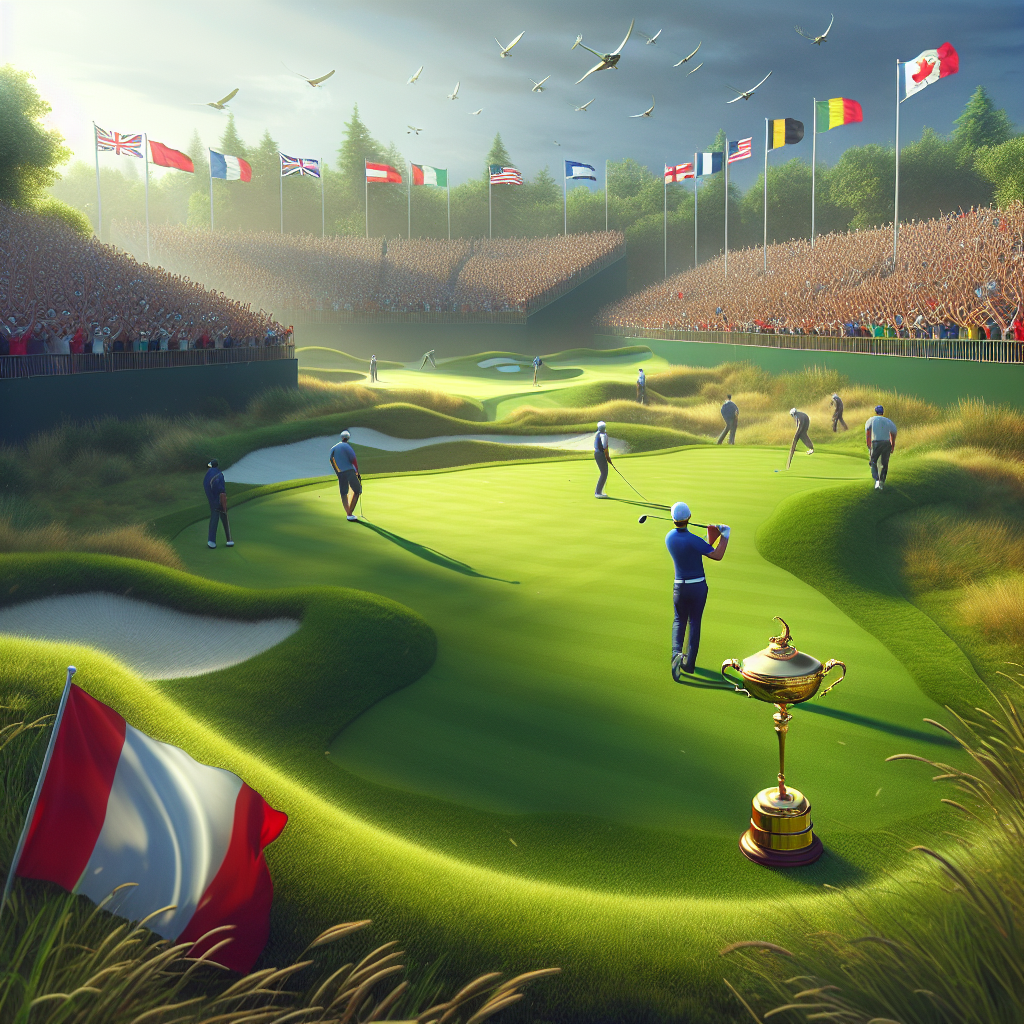

Picture this: the tension is as high as a cat on a hot tin roof and the green is quieter than a library at midnight. Welcome to the Ryder Cup, a golf tournament that ensnares your attention even if you don’t know your birdie from your eagle. Taking place every two years, this battle isn’t just about swinging clubs; it pits Europe against the United States in a continental duel of honor. Yeah, it's golf, but it's also so much more.
Let’s wind back the clock to 1927 when the Ryder Cup first appeared on the scene. Originally hosted in Worcester, Massachusetts, it started as a friendly skirmish between the U.S. and Great Britain. Nowadays, it’s a much grander affair, with Europe joining the Brits to take on the mighty Americans. It's still hosted alternately between Europe and the U.S., allowing both sides to bask in the glory of being hoarse from cheering the loudest.
You might wonder why this matters at all, especially when there's a laundry list of global issues competing for your attention. To lay it simply, the Ryder Cup represents more than just unnecessary stress over tiny white balls finding their way into small holes. It’s a metaphorical battleground, mirroring good old-fashioned rivalry and camaraderie.
Golf might get a bad rap for being elitist and unapproachable, often tied down by outdated norms that scream privilege. However, for three days every two years, the Ryder Cup throws the stiff decorum of golf out the window. Fans transform into cheerleaders, cheering and chanting fervently, often in outfits that are sacrilegious to the game's usual solemnity.
Still, those who critique the event aren’t entirely in the wrong. Addressing global climate issues seems more urgent than knowing whether Phil Mickelson has enough fan cheers to take Europe down a peg. Golf courses use tons of water and energy, posing a quandary for environmental advocates. While some steps are being taken—hello, solar panels and eco-friendly groundskeeping—they’re often not as revolutionary as they could be.
It would be easy to dismiss golf, and the Ryder Cup by association, as an outdated relic of a sport. Yet, Gen Z has found some middle ground. The excitement and challenge of the game were amplified during the pandemic when outdoor activities became the darling of personal pastimes. The Ryder Cup becomes a megaphone for the sport's new dynamic energy. It’s an entrance point for younger audiences to engage with golf minus the eye-roll-inducing snobbery.
True, there are more urgent demands for our focus, but sports often offer a unique escape valve, a common language across borders. It isn’t naive to find value in how the Ryder Cup allows us room to cheer for a win without monuments crumbling.
The sport itself may find itself at a precarious crossroads as it seeks a balance between tradition and modern demands. Its fans, young and old, may view the Ryder Cup as a celebration of what could be a sweeping change toward inclusivity and modernization. Golf's time-honored traditions are slowly evolving, mirroring the progressive shift in other facets of life.
Opponents of the event cite commercialization and the often nationalistic tones it evokes, but on the flip side, there’s an argument for spirited competition being essential for peace. Art, music, and sports often serve as bridges between ideologically and geographically separated groups. The cup, for all its whistles and, yes, often commercial glitter, is a reminder of sport's power to unite.
So, while it might seem strange to rally behind a tournament of putting and driving, there’s more to the Ryder Cup than lore suggests. It’s an invitation for Gen Z to embrace tradition while plotting change, a reminder that sport remains an essential element of cultural exchange. An opportunity to redefine the markers of sportsmanship beyond just winning. In cheering for your team, you cheer for unity. Isn’t that a scoreboard worth watching?