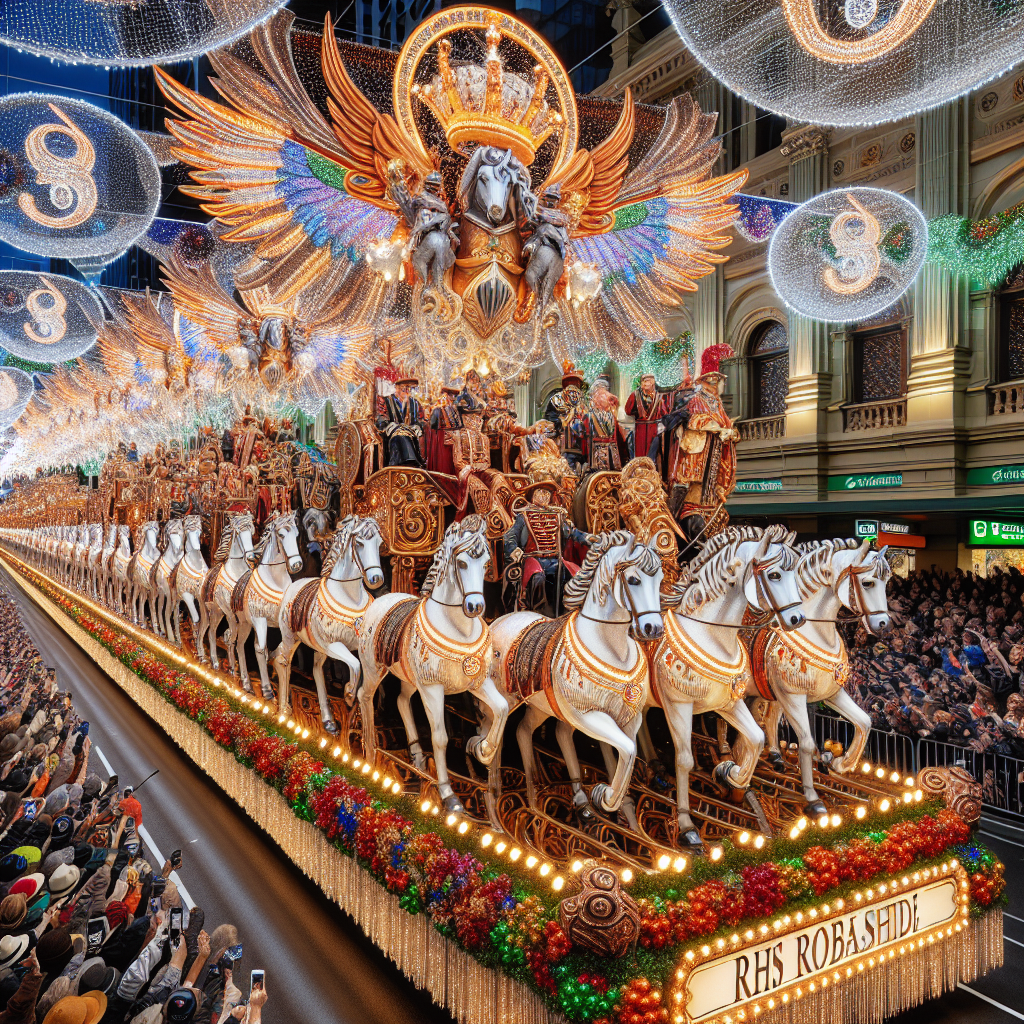

The Royal Parade: Melbourne's Historic Thoroughfare
Imagine a street that has witnessed the evolution of a city, a place where history and modernity coexist. That's Royal Parade in Melbourne for you. This iconic boulevard, stretching from the bustling city center to the serene suburbs, has been a vital artery of Melbourne since the 19th century. It was established in the 1850s, during a time when Melbourne was rapidly growing due to the gold rush. Royal Parade runs through the heart of the city, connecting the central business district with the northern suburbs. Its significance lies not only in its function as a major transport route but also in its rich historical and cultural heritage.
Royal Parade is lined with grand old trees, historic buildings, and modern establishments, making it a microcosm of Melbourne's diverse architectural landscape. The University of Melbourne, one of Australia's leading educational institutions, is located along this route, adding an academic vibrancy to the area. The parade is also home to several hospitals, making it a crucial part of the city's healthcare infrastructure. The blend of educational, medical, and residential spaces along Royal Parade reflects the multifaceted nature of urban life in Melbourne.
The street has been a witness to many significant events in Melbourne's history. From royal visits to public protests, Royal Parade has seen it all. It has been a stage for the city's social and political movements, serving as a gathering place for people to express their views and celebrate their achievements. This historical significance adds a layer of depth to the everyday hustle and bustle of the street.
However, like many historic areas, Royal Parade faces challenges. The increasing demand for urban development and transportation infrastructure puts pressure on preserving its historical character. There is an ongoing debate about how to balance the need for modernization with the preservation of heritage. Some argue that development is necessary to accommodate the growing population and improve public transport. Others believe that maintaining the historical integrity of Royal Parade is crucial for preserving Melbourne's cultural identity.
The debate over Royal Parade's future is a microcosm of broader discussions about urban development and heritage conservation. It raises questions about what we value in our cities and how we can create spaces that honor the past while embracing the future. This conversation is particularly relevant to Gen Z, who will inherit the cities we shape today. As the generation most affected by climate change and urbanization, Gen Z has a vested interest in sustainable development and cultural preservation.
Royal Parade is more than just a street; it's a symbol of Melbourne's past, present, and future. It represents the city's journey from a colonial outpost to a vibrant metropolis. The decisions made about its development will reflect the values and priorities of Melbourne's residents. Whether it's preserving the historic trees that line the street or integrating modern transport solutions, the future of Royal Parade will be a testament to the city's commitment to balancing progress with preservation.
As we consider the future of Royal Parade, it's essential to engage in open and inclusive discussions. By listening to diverse perspectives and considering the needs of all stakeholders, we can find solutions that honor the past while paving the way for a sustainable and inclusive future. Royal Parade's story is still being written, and it's up to us to ensure that it remains a cherished part of Melbourne's urban fabric.