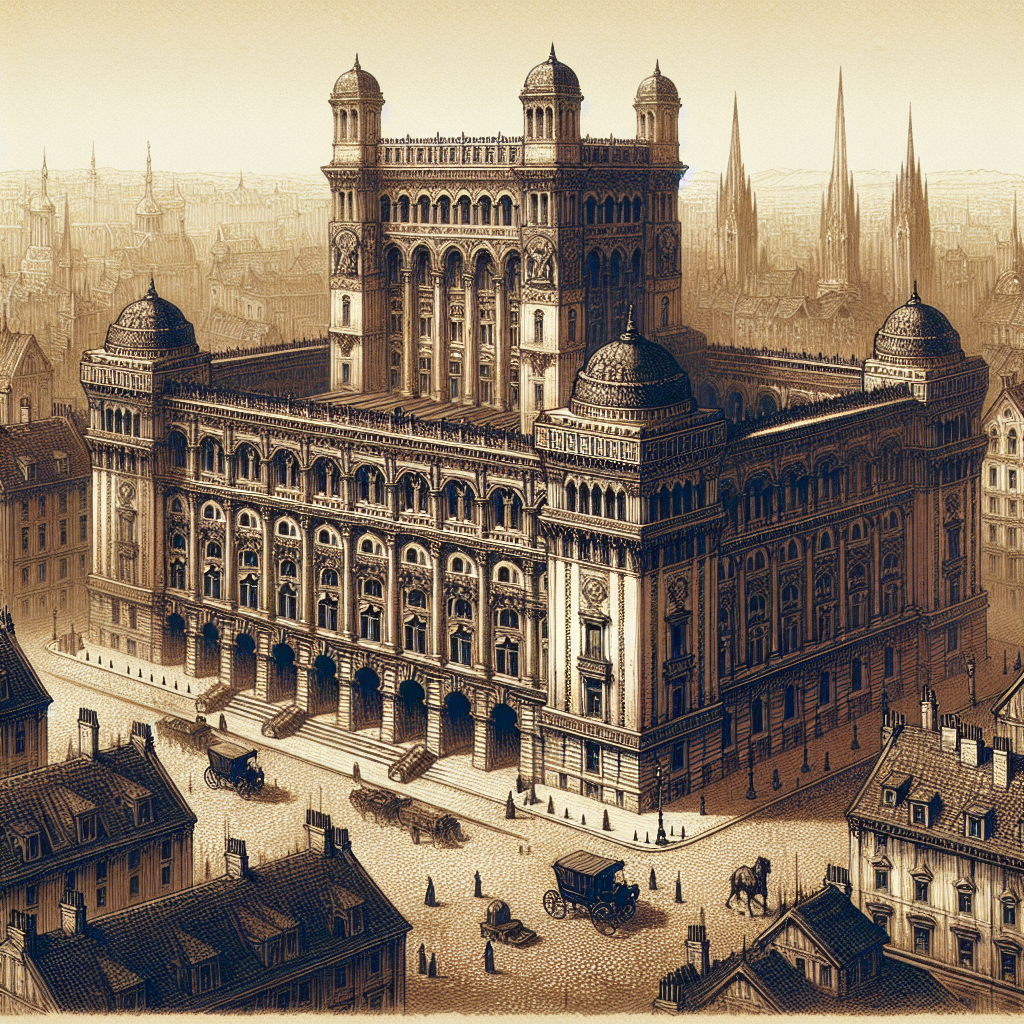

Picture this: a group of passionate historians huddled together in a quaint room in London, plotting grand plans to preserve the treasures of our past. This captivating scene took root in 1868 with the establishment of the Royal Historical Society, where it continues to guard the tapestry of history with care. Set in London, the Society has been a cornerstone of historical scholarship, dedicated to promoting the flourishing study of history for anyone curious about the secrets of yesteryears.
In an era where understanding history is vital for shaping a just future, the Royal Historical Society offers a beacon of insight. It’s fascinating to think about how something as old school as a historical society can be so relevant today. This isn’t just about dusting off old books or fussing over ancient portraits; it’s an effort to anchor contemporary narratives in the stories of those who came before us. Through special lectures, publications, and prizes, they fuel academic research and make history accessible to all.
For Gen Z, often hailed as the most progressive and tech-savvy generation, understanding history is just as important as surfing the net on the latest smartphone. Debates around issues like colonialism, identity, and justice often tap into a historical vein. Here, the Royal Historical Society plays a crucial role. We need to acknowledge how diverse histories relate to the social justice movements many young people are passionate about today.
On this front, the Society has been working towards being more inclusive, although it’s worth noting that they’ve been catching up with criticism. Not everything in history is glamorous, nor are the societies that study it free from critique. Over the years, the Royal Historical Society has faced a cultural reckoning of its own, particularly around representation. In recent movements for racial equality, scholars have pushed back against exclusionary practices. The RHS has been updating its practices to include a wider range of voices. Greater diversity in discussions only enriches the sources of knowledge and understanding available today.
Opposing viewpoints often argue that heritage societies reflect outdated elitist ideals, offering little relevance in our fast-changing world. To some, history feels like a narrow field focused solely on European adventures and monarchs adorned in ermine robes. Critics say societies like the RHS must actively dismantle the echoes of colonial legacy embedded within their practices. While it’s crucial to listen to these criticisms, engaging with opposing sides can strengthen understanding.
The Royal Historical Society has undeniably transformed since the days of Victorian pomposity. From inclusivity to engaging ways of presenting history to new tech-savvy audiences, it has adapted. Imagine exploring digital exhibitions or attending virtual talks world-renowned historians offer; it’s history at your fingertips, quite literally.
At its core, the Society champions learning from past mistakes. Whether you’re a passionate history student, a casual enthusiast, or someone curious about the roots of current societal issues, the RHS provides a platform. It’s more than a gathering of historians; it is a dialogue that traverses time, bearing lessons upon which to build a more inclusive tomorrow. Let the Royal Historical Society inspire a generation willing to look back in order to move forward, one thrilling historical discovery at a time.