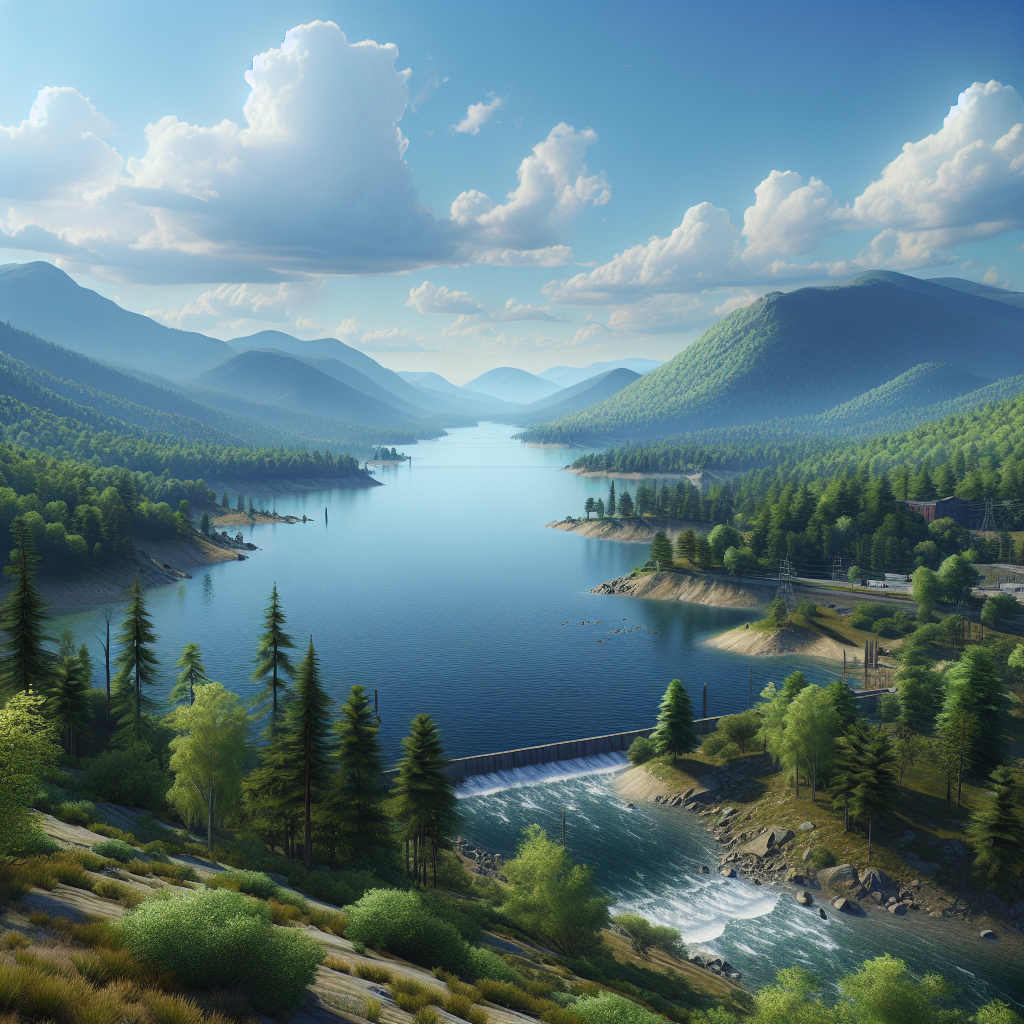

Imagine a place where nature's serenity collides with human history, creating a breathtaking tapestry of beauty and relevance. Rockport Reservoir is one such vivid locale. Situated in the picturesque Summit County of northern Utah, this man-made body of water is a wonder for various reasons, drawing thousands of visitors each year. Built in the late 1950s as part of a Bureau of Reclamation flood-control project, the reservoir supports a variety of activities like boating, fishing, and recreational camping. It stands where the bustling town of Rockport once lay, bringing a poignant sense of nostalgia to those familiar with the area’s past.
Nestled within the majestic Echo Valley, Rockport Reservoir holds not just water, but also a piece of history. The town of Rockport was submerged when the reservoir was created. Its original settlers, immigrating in the 1800s, intended to make the valley their home, farming the fertile land and living in harmony with their surroundings. While the reservoir now offers delightful escape for water enthusiasts, its underlying story raises important questions about development and displacement. This issue resonates with contemporary movements to protect both cultural heritage and natural environments, making it a subject of interest for those concerned about the balance between technological advancement and preservation.
Fishing is one of the major attractions here, with the reservoir being stocked with rainbow trout, brown trout, and smallmouth bass. It's a spot that caters to both novice anglers and seasoned fishermen. What makes Rockport even more appealing is its accessibility to varied water sports; people can kayak, paddleboard, and jet ski across the expanse of the reservoir. For those who find peace in nature's simplicity, camping under the stars here is an experience like no other. The area is open for exploration most of the year, weather permitting, but it's the summer months that beckon larger crowds with warm temperatures and bustling recreational activities.
The stunning natural beauty of the reservoir is a double-edged sword, however. While tourism helps boost the local economy, it clashes with conservation efforts. Initiatives are needed to maintain the site's ecological integrity while welcoming visitors. Striking that balance remains a challenge as climate change and human activities pose threats to the area’s fragile ecosystem. Community efforts in sustainable tourism are encouraging as they attempt to minimize human footprint while maximizing both visitor experience and environmental protection.
The essence of Rockport Reservoir is not just in its leisure offerings or its historical intrigue, but also in the stories it inspires. Generations have forged connections to this place—families returning each summer, ecologists studying its flora and fauna, or historians piecing together narratives of the submerged town. Even regional debates over resource management or environmental stewardship can be tied back to this unassuming yet persistently impactful reservoir.
Reflecting on Rockport Reservoir makes one consider the immense value of these public spaces not just as places for recreation, but as canvases for cultural memory and environmental responsibility. To some, the reservoir may be just a fun spot for a weekend getaway, but to others, it is a poignant reminder of our history—a narrative wrapped in questions about displacement, remembrance, and our collective role in shaping the landscape.
With its nuanced mix of enjoyment and existential thought, Rockport Reservoir serves as both an escape and an evocative prompt for deeper reflection. To merely see it as a destination demeans the complex social and ecological tapestry it presents. It challenges us to remember what lies beneath the water's surface, not just the submerged buildings of Rockport, but the values and lessons we must carry into our pursuit of balance between progress and preservation.