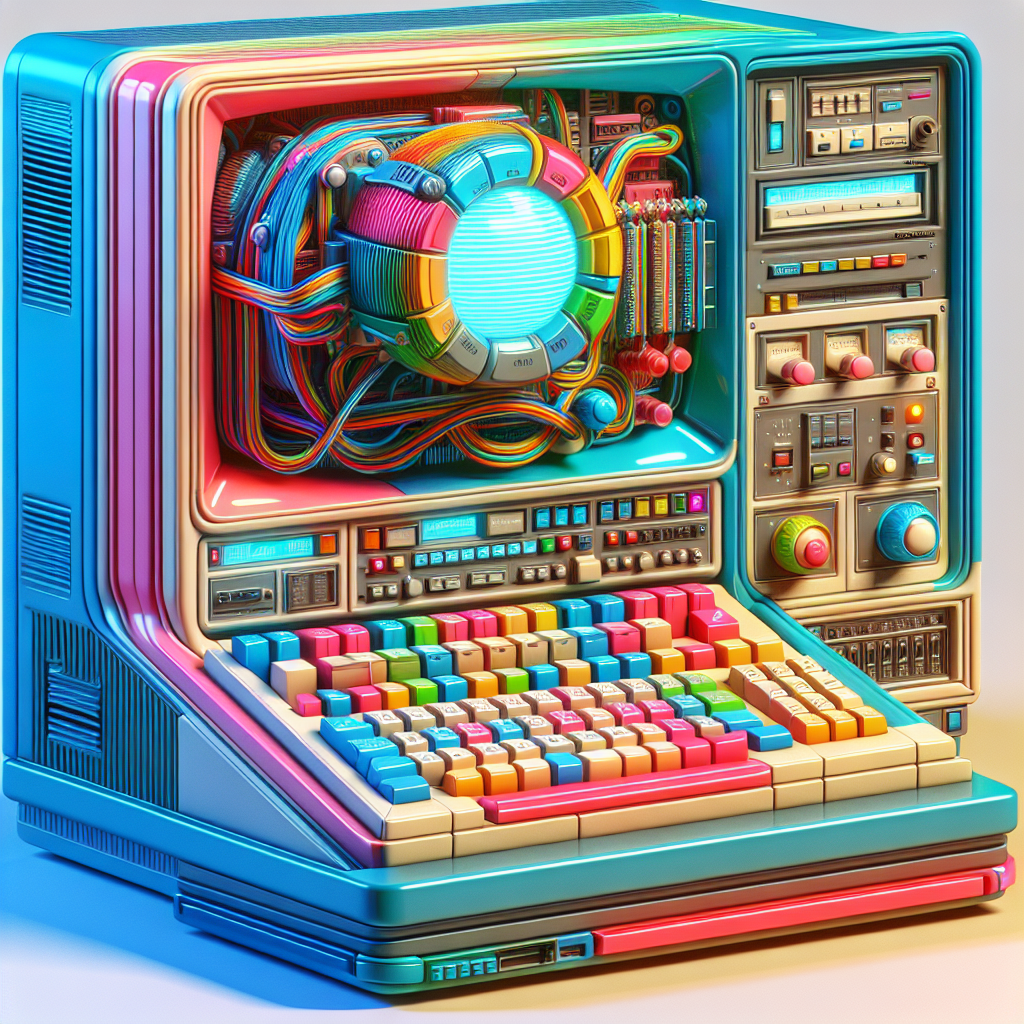

The Retro Charm of the Research Machines 380Z
Imagine a time when computers were the size of a small refrigerator and had less processing power than your smartphone. Enter the Research Machines 380Z, a computer that made its debut in the late 1970s and early 1980s, primarily in the United Kingdom. This machine was a product of Research Machines Limited, a company founded by Mike Fischer and Mike O'Regan in 1973. The 380Z was designed to be an educational tool, finding its way into schools and universities across the UK. It was a time when personal computing was in its infancy, and the 380Z played a pivotal role in introducing a generation to the world of computers.
The 380Z was a microcomputer, which means it was built around a microprocessor, specifically the Zilog Z80. This was a popular choice for computers of that era, known for its efficiency and cost-effectiveness. The machine came with a monochrome display, a keyboard, and a cassette tape drive for storage, which was quite advanced for its time. It was capable of running CP/M, an early operating system that was widely used before the rise of MS-DOS. The 380Z was not just a piece of hardware; it was a gateway to learning programming and understanding the basics of computing.
For many students and educators, the 380Z was their first encounter with a computer. It was used to teach programming languages like BASIC and Pascal, which were essential skills in the burgeoning tech landscape. The machine's presence in educational institutions helped demystify computers, making them more accessible and less intimidating. It was a tool that empowered students to experiment, create, and innovate, laying the groundwork for future tech enthusiasts and professionals.
Despite its significance, the 380Z was not without its challenges. It was expensive, which limited its availability to well-funded schools and universities. Additionally, the technology was rapidly evolving, and the 380Z quickly became outdated as more powerful and affordable computers entered the market. However, its impact on education and its role in the early days of personal computing cannot be overstated.
From a modern perspective, the 380Z might seem like a relic of the past, but it holds a special place in the history of computing. It represents a time when computers were beginning to make their way into everyday life, changing the way people learned and worked. The 380Z was a stepping stone that helped bridge the gap between the analog world and the digital future.
While some may argue that the 380Z was just another computer in a sea of early microcomputers, its influence on education and its role in shaping the tech landscape of the UK is undeniable. It was a machine that inspired curiosity and creativity, encouraging a generation to explore the possibilities of technology. For those who had the opportunity to use it, the 380Z was more than just a computer; it was a symbol of progress and potential.
In today's world, where technology is ubiquitous and ever-evolving, it's important to remember the pioneers like the Research Machines 380Z. They paved the way for the devices we now take for granted, and their legacy lives on in the tech-savvy generations that followed. The 380Z may no longer be in use, but its spirit of innovation and education continues to inspire.