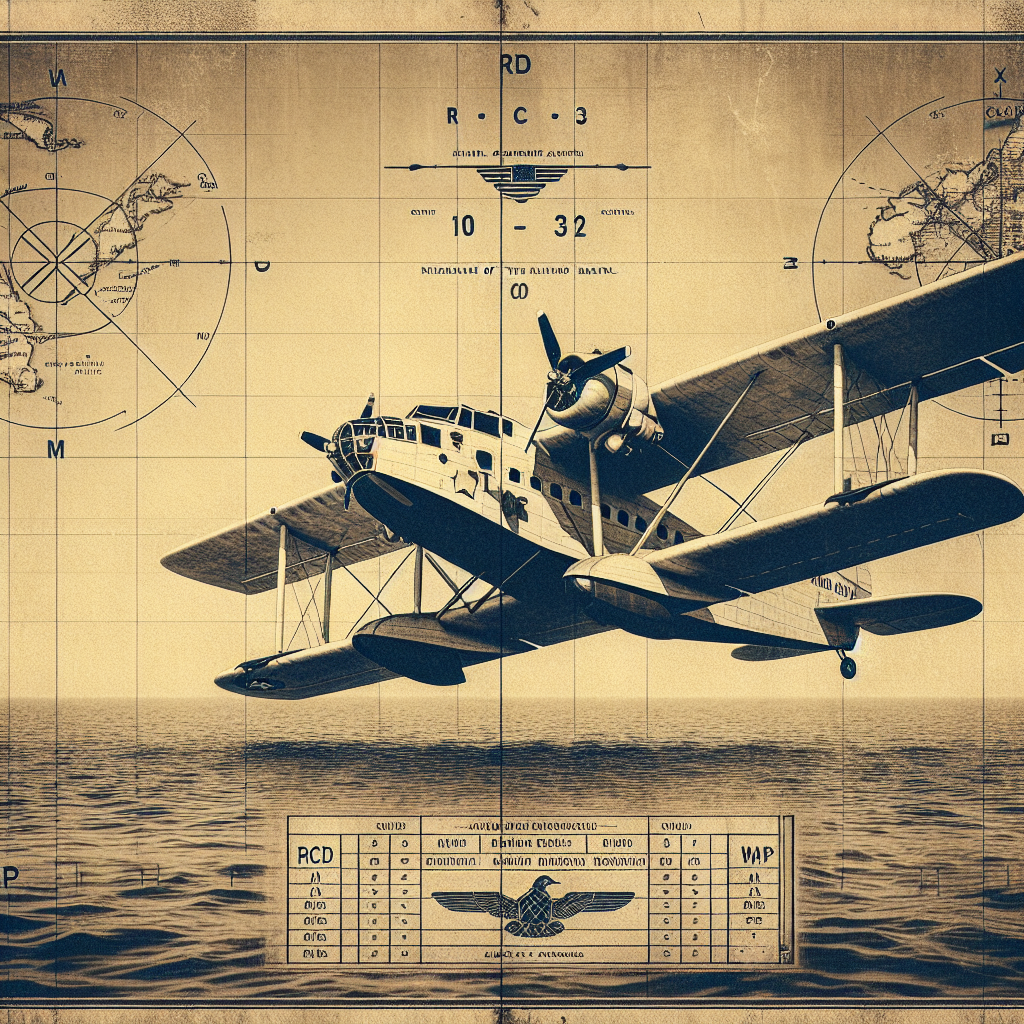

Imagine a flying bathtub with wings that also happens to open spacious adventures on air, water, and land. That's the Republic RC-3 Seabee for you. This unusual aircraft was the brainchild of Republic Aviation Corporation, which designed it to be a post-war, do-it-all light amphibious airplane. Its initial flight took place in December 1945, right as the world was rebuilding and dreaming again after the end of World War II. Based in Farmingdale, Long Island, this little aircraft hoped to change not only how Americans traveled but how they viewed travel.
At a time when cars were starting to define personal freedom in the United States, the Seabee offered a new way to enjoy that liberty—from the skies and on lakes. It promised to be the plane that could literally take you anywhere you dared to venture. Designed by Percival Spencer, the Seabee aimed to embody the optimism, innovation, and adventurous spirit of the time, even though the post-war economic reality introduced challenges that many, including the Seabee, couldn't overcome.
The Republic RC-3 Seabee is not just an aircraft. It's a cultural artifact. While only about 1,060 were built, and it might be a rare sight today, the story behind it represents a period in U.S. history where possibilities seemed endless. Interestingly, these planes crafted a niche following despite not achieving commercial success. Those who know of it adore it for its preposterousness and resilience, much like a cult classic movie that didn't quite hit box office gold but crafted a dedicated fanbase.
One can only appreciate the Seabee's design in context. When you’ve experienced anything like living or hearing about the radical DIY airplane ethos or manufacturer aspirations of that time, it makes sense. The Seabee was meant to be sold to returning war veterans looking to enter civilian life with an aerial edge. Its aluminum hull and automotive engine appealed to those familiar with the inner workings of mechanical machinery, even if working on the Seabee didn't quite line up neatly like a puzzle.
The Seabee was ahead of its time in some ways, most notably in its amphibious capability, which was a significant selling point. Unfortunately, it struggled commercially, thanks in part to its high cost relative to other post-war consumer airplanes and the ballooning U.S. economy that made automobiles more accessible and common. It couldn't compete with the booming automotive trend that became a defining aspect of American culture, one that perhaps many of us today couldn't imagine our lives without. This offers a parallel to our current digital versus physical world dynamics, opposing forces where necessity, affordability, and desire collide.
As with many of life's audacious stories, the Seabee's lifespan from production to fiddling dreams was rather short, just like an intense but fleeting romance of impractical desires. It was only produced between 1946 and 1947. A close examination might reveal it symbolizing a mood of trying to do too much too soon. Yet, had the stars aligned differently, who knows how this dual-terrain traveler might've evolved or paved the way for multi-seasonal—ahem—in our tech-savvy terms, all-terrain vehicles, in the skies.
Looking through today's lens, we see that the aircraft still flies, albeit under private ownership, tweaking the business scene to fit personal leisure better. Restored Seabees occasionally appear in fly-ins and airshows, immortalizing that unexpected and fearless design approach. For Gen Z, who prize uniqueness and often choose nostalgia to contextualize and shape modern identities, learning about surprises like the Seabee could be a reminder that sometimes the risk-takers—the impractical dreamers—are the trailblazers, paving quirky lanes for others.
However, there are drawbacks to reflect on. The Seabee was never able to harness major commercial success, partly cementing the industry's fate of sticking to more practical and less romantic ideas of aviation functionality. From an engineering perspective, its mechanical simplicity was both a blessing and a tactic mistake. Moreover, its existence prompts us to ponder the systemic challenges in manufacturing and expectations between consumer aspirations and industrial limitations, a back-and-forth dance that rings strangely familiar even in our modern product options.
Flying the Seabee became a statement of rebellion against the strict norms of conventional travel, understanding that it's okay for things not to work out to plan if they brought joy or opened up imagination bubbles. Indeed, society can often worry too much about the end results and forget about the journey's importance, another timeless lesson for Gen Z.
It also allows us to engage with the idea of multipurpose vehicles more broadly, recognizing they might share similar struggles between cost efficiency, environmental impacts, and the reality of production and consumer patterns. As we now grapple with the role of electric cars and planes in our future, there's a whisper of the Seabee ethos calling us back to the basics of responsible, albeit whimsical, exploration.
As humanity continues to challenge the ordinary, the Seabee leaves behind a message of daring to dream big on scales we don't always measure by numbers or yardsticks. In the grand tapestry of innovation and ambition, not every thread needs to lead to commercial success to have made an irregular but impactful weave. It is these stories of unexpected, awkward vehicles that write the subtext of societal innovation and define eras beyond traditional timelines.