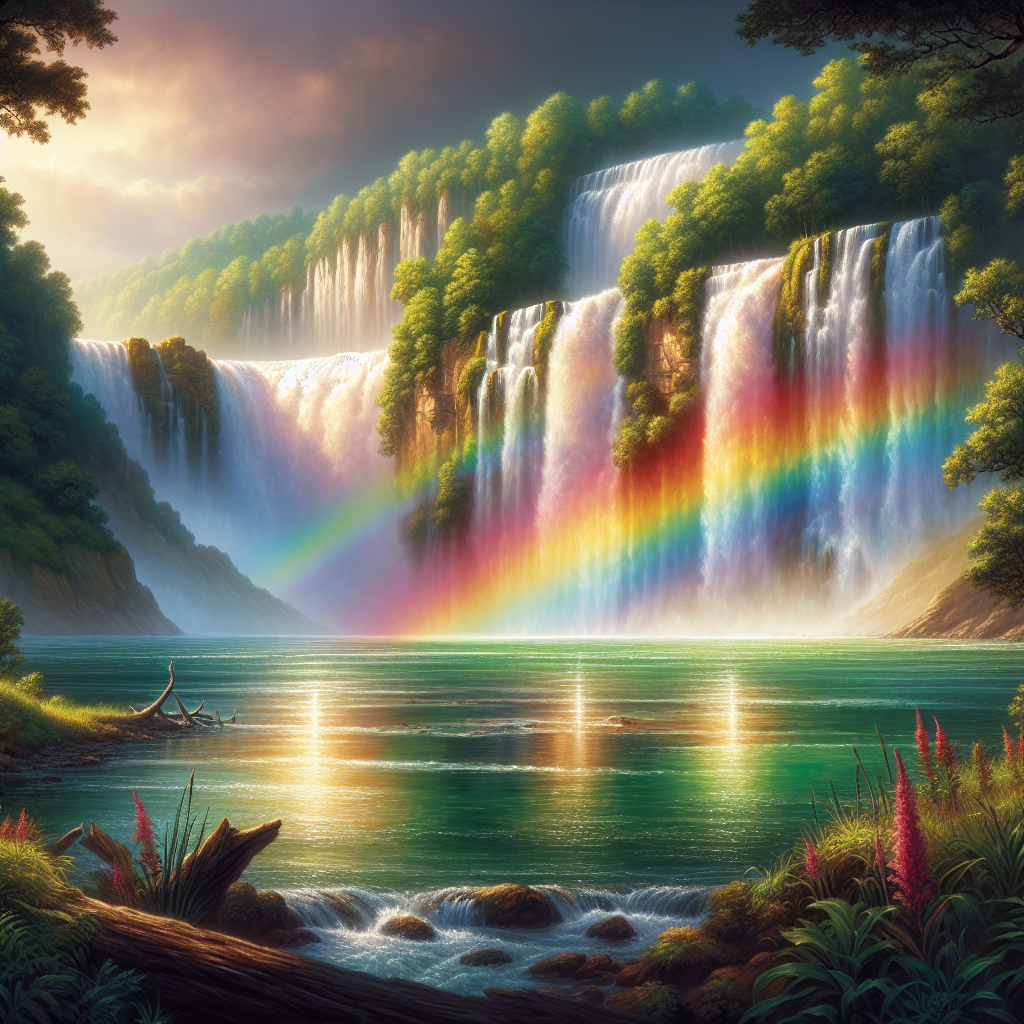

The Hidden Gem of Rainbow Falls on the Missouri River
Imagine a place where the water cascades down in a shimmering display of colors, creating a natural spectacle that seems almost too magical to be real. This is Rainbow Falls, a breathtaking waterfall located on the Missouri River in Great Falls, Montana. The falls are part of a series of five waterfalls along the river, and they have been captivating visitors for generations. The name "Rainbow Falls" comes from the vibrant rainbows that often appear in the mist created by the falling water, a sight that has enchanted both locals and tourists alike.
Rainbow Falls is not just a pretty sight; it holds historical significance as well. The falls were first documented by the Lewis and Clark Expedition in 1805, marking an important moment in the exploration of the American West. The explorers were awestruck by the beauty and power of the falls, and their accounts helped to put this natural wonder on the map. Today, Rainbow Falls is a popular destination for those seeking a connection to nature and a glimpse into the past.
The falls are located near the city of Great Falls, which is named after the series of waterfalls on the Missouri River. This area is rich in natural beauty and offers a variety of outdoor activities for visitors. Hiking trails provide access to stunning views of the falls and the surrounding landscape, while the river itself is a popular spot for fishing and boating. The city of Great Falls also offers cultural attractions, including museums and galleries that celebrate the region's history and art.
While Rainbow Falls is a beloved destination for many, it is important to acknowledge the environmental challenges it faces. The construction of dams along the Missouri River has altered the natural flow of water, impacting the falls and the ecosystems that depend on them. Conservation efforts are underway to protect and preserve this natural wonder for future generations. These efforts highlight the importance of balancing human development with the need to protect our planet's natural resources.
Some people argue that the economic benefits of dam construction, such as hydroelectric power and water management, outweigh the environmental impact. They point to the jobs created and the energy produced as vital to the region's economy. However, others believe that the long-term health of the environment should take precedence, advocating for sustainable practices that minimize harm to natural habitats.
Rainbow Falls serves as a reminder of the beauty and fragility of our natural world. It is a place where people can come together to appreciate the wonders of nature and reflect on the impact of human activity on the environment. By visiting and supporting conservation efforts, we can help ensure that Rainbow Falls remains a vibrant and awe-inspiring destination for generations to come.
In a world where natural beauty is often taken for granted, Rainbow Falls stands out as a testament to the power and majesty of nature. It is a place that inspires wonder and reflection, inviting us to consider our role in preserving the planet for future generations. Whether you're a history buff, an outdoor enthusiast, or simply someone who appreciates the beauty of the natural world, Rainbow Falls is a destination worth exploring.