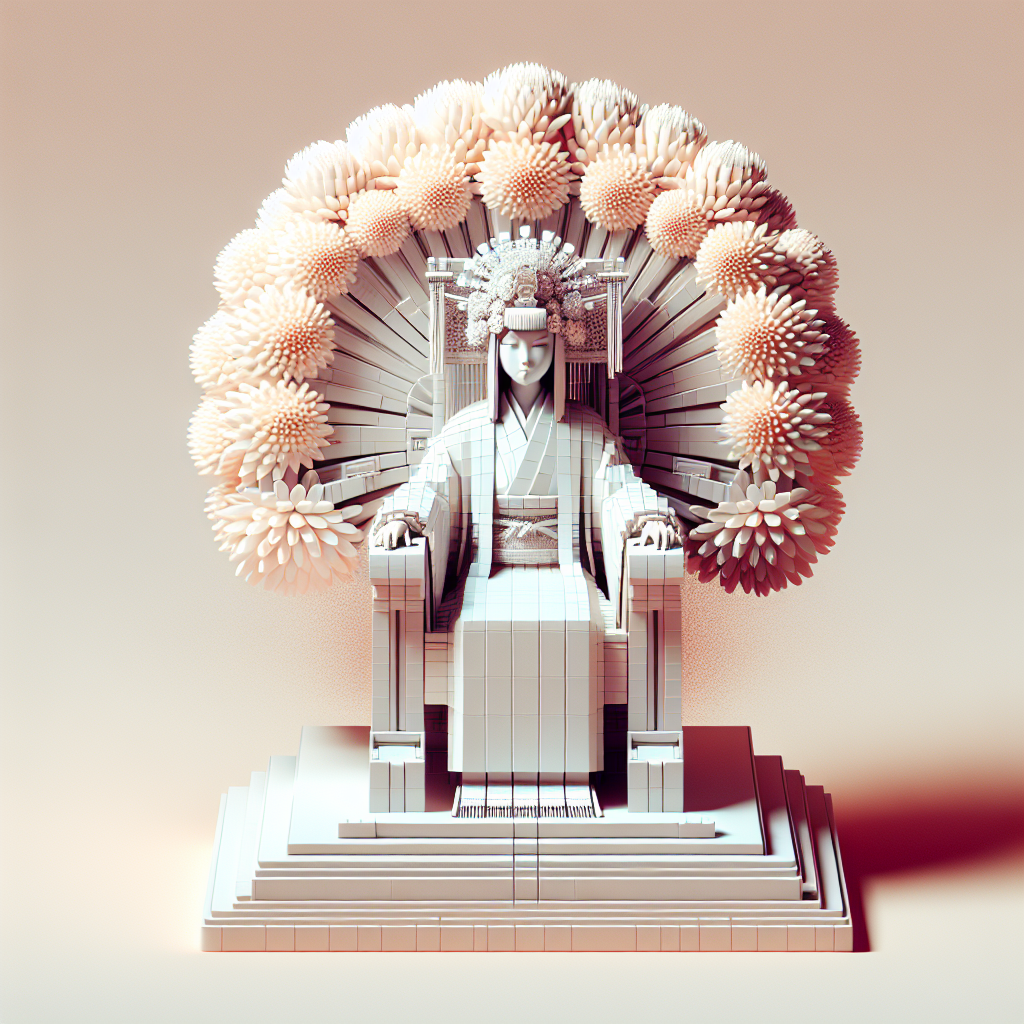

Becoming a princess sounds like a dream wrapped in tiaras and royal banquets, but for Crown Princess Masako of Japan, it seems more like a gilded cage. Masako Owada, a brilliant diplomat born on December 9, 1963, found herself drawn into a world of tradition and scrutiny when she married Crown Prince Naruhito in 1993. Transformed from a promising career in international relations to a role filled with ceremonial duties in the Imperial Palace, her story unfolds within the constricting walls of the Chrysanthemum Throne.
Masako's life gives us a rare glimpse into the enigmatic world of Japan's imperial family. While the Japanese Imperial Household remains one of the planet's most ancient monarchies, its inner workings are shrouded in secrecy. Known for its rigorous adherence to tradition, the court often exerts immense pressure on its members. Masako's struggle against this pressure, both personally and publicly, reflects the challenges of marrying personal identity with the demands of an unyielding institution.
Masako was a star student, attending Japans and America’s best schools, and later Harvard University. Her path was set for international diplomacy, yet love and duty famously disrupted this journey. Her aptitude for diplomacy and international affairs was evident, making it somewhat counterintuitive when she had to leave those ambitions behind to fulfill the obligations of a Crown Princess.
Masako's marriage into the monarchy was filled with expectations that ranged from producing an heir to embodying the traditions of Japan. These pressures led her into a turbulent relationship with the Imperial Household, resulting in a life visibly marked by stress and health issues. She was often criticized by the conservative elements within the palace when her efforts to modernize or step outside these tightly constrained norms became apparent.
Critics have argued that her challenges within the Imperial system stem from her own unsuitability for such a restrictive role. Conservative voices in Japan often view her overqualification or Western influence as her inability to adapt. However, many young people, especially Gen Z, find it easy to empathize with her situation, seeing in her a relatable struggle against the demands of outdated traditions. This viewpoint mirrors the larger discourse on the collision between modern values and rigid conservatism.
The birth of her daughter, Princess Aiko, in 2001, brought new pressures, as Masako faced public scrutiny over producing a male heir. The imperial family’s succession laws, which prioritize male heirs, exasperated this scrutiny, leading to further speculation and stress. As Japan wrestles with modernizing these laws, Masako's struggles remain at the heart of a national conversation about gender, tradition, and transition.
Masako’s story holds an important place in Japanese society, reflecting both national identity and the emerging voice for reform. Her experiences spotlight the emotional toll exacted by royal life and the need for a balance between personal happiness and public duty. Despite facing countless personal challenges, Masako has shown resilience, slowly re-engaging with her public duties over the years. Her return to the fore was particularly marked by her husband’s ascension to the throne in 2019.
Crown Princess Masako’s experience mirrors a wider generational demand within Japan and beyond for progressive change. Young people advocate for leaders who can embrace openness and empathy, representing a new kind of authority. Watching Masako navigating her role with a mix of vulnerability and strength, there’s hope for a new narrative. One where mental health is prioritized, gender equality is recognized, and true modernization marries tradition with innovation.
While the juxtaposition of Masako's journey with that of some more progressive royals elsewhere highlights cultural differences, it also resonates globally. Across the world, monarchies are re-evaluating their roles, recognizing the need for relevance in a rapidly changing society.
Empress Masako's journey serves as a cultural lens and calls for empathetic understanding. It isn’t just a tale of one woman, but a larger commentary on the intersection of change and tradition, resilience in questioning norms, and the courage to forge new paths even within seemingly immovable frameworks.