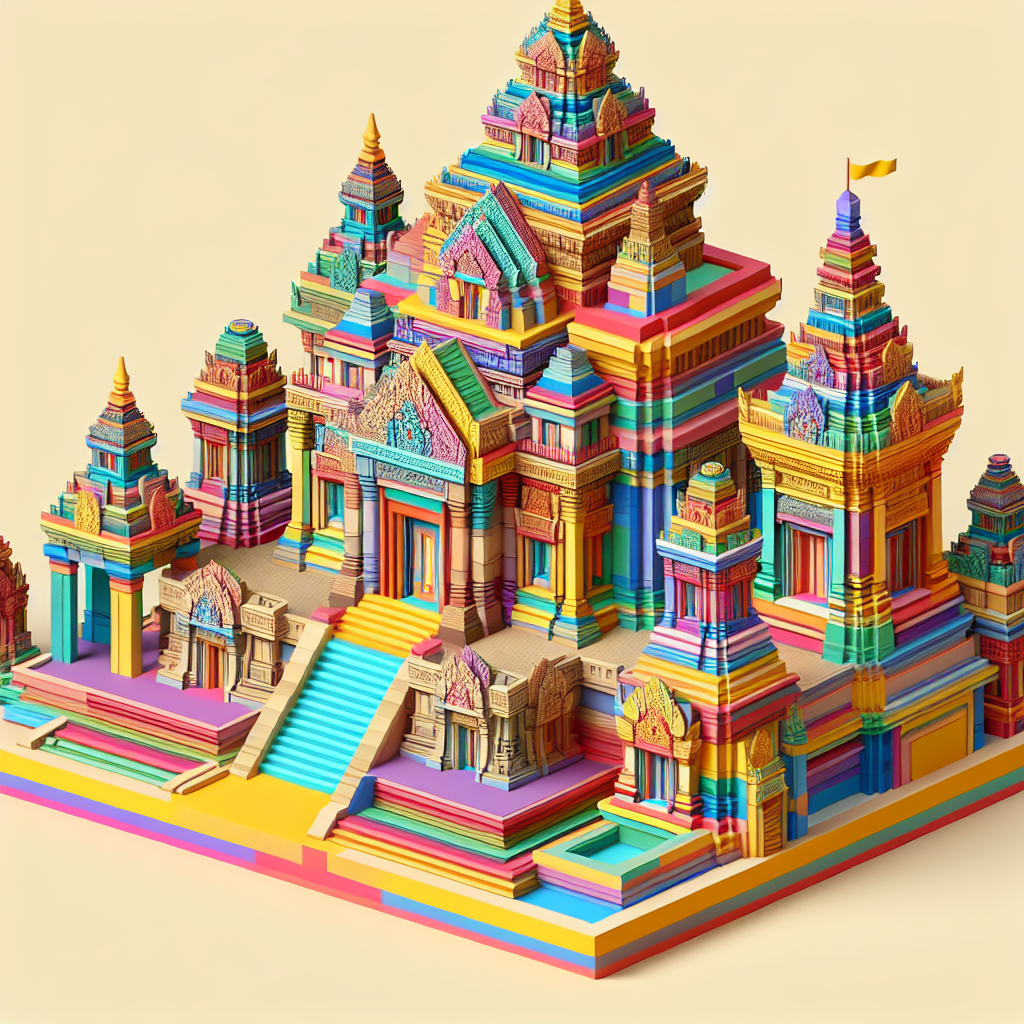

The Temple Tug-of-War: Prasat Ta Muen Thom
Imagine a centuries-old temple caught in a modern-day tug-of-war between two nations. That's the story of Prasat Ta Muen Thom, an ancient Khmer temple that has become a focal point of territorial disputes between Thailand and Cambodia. This temple, built during the 11th century, is located on the border between the two countries, nestled in the Dangrek Mountain range. The conflict over this site has been ongoing for years, with both nations claiming ownership due to its historical and cultural significance. The temple's location has made it a symbol of national pride and a point of contention, highlighting the complex relationship between these neighboring countries.
Prasat Ta Muen Thom is not just a pile of stones; it's a testament to the architectural prowess of the Khmer Empire. The temple complex, with its intricate carvings and towering structures, reflects the grandeur of a civilization that once dominated Southeast Asia. For Cambodia, the temple is a part of its rich cultural heritage, a reminder of the Khmer Empire's historical influence. For Thailand, it represents a significant historical site within its borders, contributing to its national identity. The dispute over the temple is not just about land; it's about history, culture, and national pride.
The conflict over Prasat Ta Muen Thom has seen its fair share of diplomatic and military tensions. In recent years, both countries have stationed troops near the temple, leading to occasional skirmishes and heightened tensions. The situation has drawn international attention, with organizations like UNESCO and ASEAN urging for peaceful negotiations. The temple's status as a potential World Heritage site adds another layer of complexity, as both nations vie for recognition and control. The international community's involvement underscores the importance of preserving cultural heritage while respecting national sovereignty.
Understanding the opposing viewpoints is crucial in this dispute. From Thailand's perspective, the temple is within its territorial boundaries, as per maps drawn during the colonial era. The Thai government argues that the temple's location on the border should not automatically grant Cambodia ownership. On the other hand, Cambodia points to historical records and cultural ties to the Khmer Empire as evidence of its rightful claim. The Cambodian government emphasizes the temple's significance in its national history and identity, arguing that it should be recognized as part of its cultural heritage.
The dispute over Prasat Ta Muen Thom is a reminder of the complexities of border politics and the lasting impact of colonial-era decisions. The lines drawn by colonial powers often ignored the cultural and historical realities of the regions they divided. This has led to numerous territorial disputes worldwide, with Prasat Ta Muen Thom being just one example. The challenge lies in finding a resolution that respects both nations' claims while preserving the temple for future generations.
For the people living near Prasat Ta Muen Thom, the dispute is more than just a political issue; it's a part of their daily lives. The presence of military forces and the threat of conflict affect their communities, livelihoods, and sense of security. Many locals have cultural and familial ties that span the border, making the dispute a deeply personal matter. Their voices are often overshadowed by the larger political narrative, yet they are the ones who live with the consequences of the ongoing tensions.
The story of Prasat Ta Muen Thom is a complex tapestry of history, culture, and politics. It highlights the challenges of reconciling national pride with historical realities and the importance of dialogue in resolving conflicts. As Thailand and Cambodia continue to navigate this delicate issue, the hope is for a peaceful resolution that honors the temple's cultural significance and respects the rights of both nations. The world watches, hoping that Prasat Ta Muen Thom can become a symbol of cooperation rather than conflict.