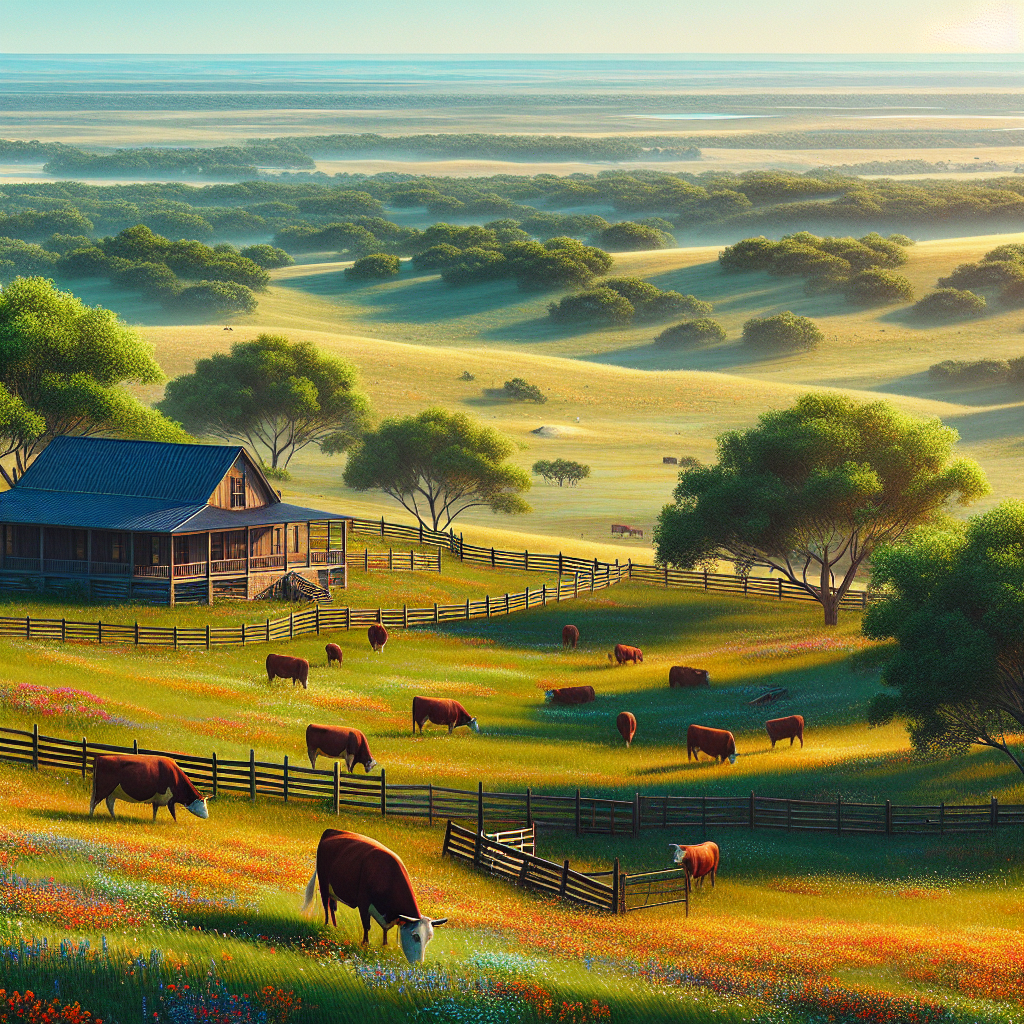

Picture sprawling Texas fields, with wind gently swaying the grass, where the former U.S. President George W. Bush takes refuge from the clamor of political life. Prairie Chapel Ranch is more than just a place; it’s a symbol, a retreat, a reflection of personal history and public service. Located in Crawford, Texas, this ranch became Bush’s haven when he served from 2001 to 2009. The land, spanning 1,583 acres, is where he would escape to clear brush, as he famously said, and connect back to a simpler form of living amidst his presidency. Bought in 1999 by Bush and his wife, Laura, the property quickly garnered attention.
This ranch isn’t just about political imagery though. It has deep ties to natural conservation and personal rejuvenation, offering a narrative about sustainability that resonates in our current climate conversation. Bush’s establishment of a nearly self-contained ecosystem through rainwater harvesting and geothermal heating is laudable. It's a nod to those who care about blending progress with environmental respect, a concept increasingly embraced by younger generations.
The ranch embodies a paradox between private sanctuary and public stage. During his tenure, Bush hosted numerous world leaders here, most notably British Prime Minister Tony Blair and Russian President Vladimir Putin. Prairie Chapel Ranch brought Texas-style diplomacy, scripted on picnic tables overlooking wide landscapes, mixing Texan hospitality with international politics. These moments painted a human side to political negotiations, often too cloaked in cold formality. Yet, not everyone cheers this theatrical showcasing. Critics argue that using personal property in such contexts can blur lines between personal and political integrity.
From a liberal standpoint, the juxtaposition of promoting environmental stewardship on a vast property by a leader who questioned climate change presents an intriguing dichotomy. It sparks discussion on policy consistency and the personal commitments of public figures. The ranch’s efforts in land conservation show a slice of respect for the earth, challenging figures to consider public stances versus personal actions. Critics examine these gestures skeptically but acknowledge their importance in the broad spectrum of climate action.
There’s also the discussion about land ownership and what it means in the hands of a former oil executive turned politician. Prairie Chapel Ranch stands at the intersection of wealth and traditional American pastoral imagery. Cattle roam the lands as a nod to ranching roots, while high-profile visits remind us of privileges that come with status and power. Should luxury and symbols of excess serve as reminders of systemic inequalities? Or do they highlight personal industry success and the freedom to cultivate one's own patch of paradise?
Then, there’s the aspect of rural Americana that comes with the territory. Ranching as stock storytelling of the great American dream: working hard, shaping the land, and aspiring for more. It's a narrative that resonates with many, echoing in stories passed through generations, though it contrasts sharply with urbanized youth’s concerns over inclusivity and climate.
Yet amid recognition comes respect - respect generally remains less discussed. There's a steadfast grace in the Bush family’s relationship with this land amid political tensions. A sense of continuity fills the air, as if the ranch, through all its controversies, stands as a testament to family, tradition, and the grounding power of coming home.
Those wrestling with the complexity of such spaces acknowledge that, while no symbol or person may perfectly fit all molds, there’s value in honest critique and nuanced understanding. Prairie Chapel Ranch reflects a collage of American identity: a site of power, simplicity, political storms, and demands for equity.
Ultimately, this ranch, like much in life, defies being defined by any single narrative. It signifies the entwined nature of private lives in public spheres, challenging us to consider what places like Prairie Chapel Ranch represent in shaping collective identities for future generations. Watchful Gen Z eyes see these spaces through the prism of their worldviews, demanding transparency, innovation, and ethical grounding, blending the essence of tradition with progress mandates.