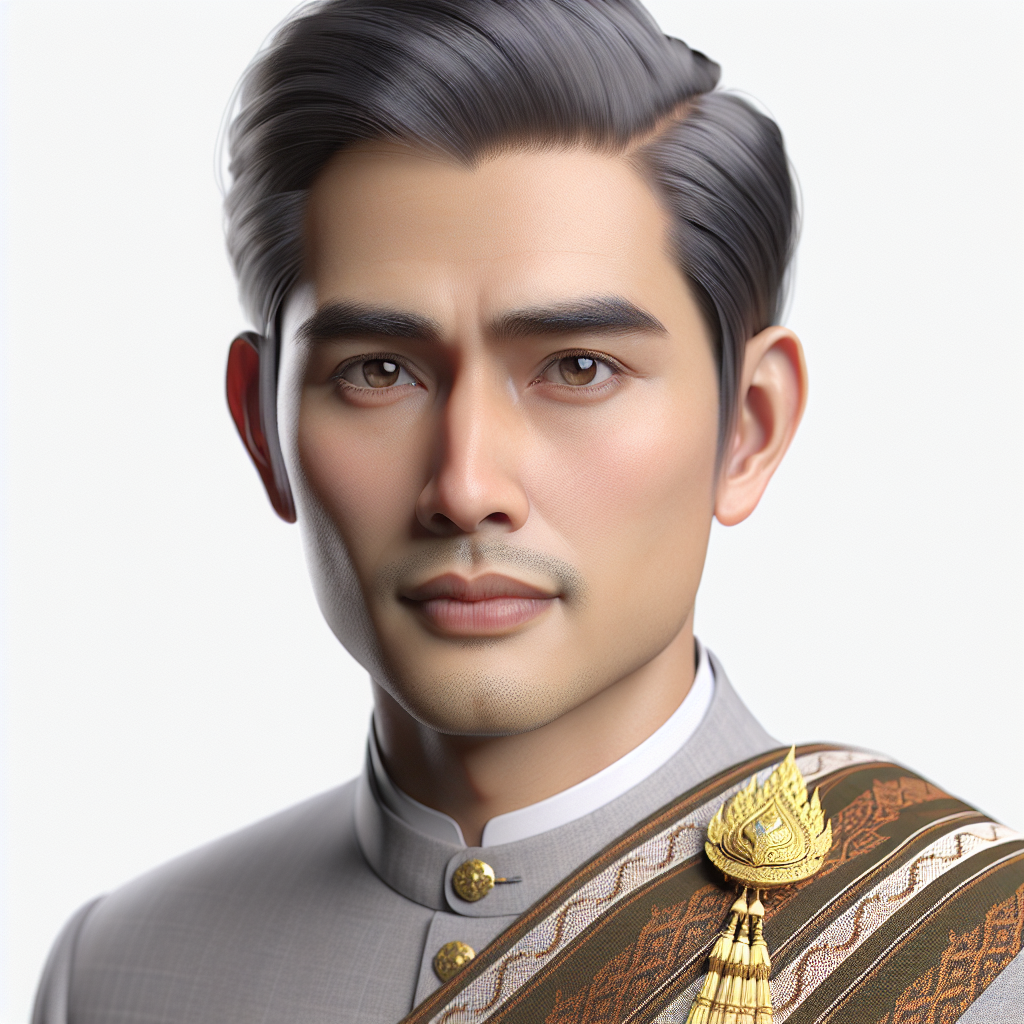

You might expect a sweeping revolution from a guy like Phraya Anuman Rajadhon, given that his name echoes with the gravitas of historical change. Born in 1888 and living until 1969, this Thai scholar managed to map the identity of an entire culture without picking up a sword or starting a political revolt. Phraya Anuman came from Bangkok, a bustling city that was a cultural melting pot long before globalization became a buzzword. In this context, he asked: Who are we? What makes our culture unique? His work, spanning decades, still resonates deeply today.
Phraya Anuman Rajadhon wasn't out to fight against any regime; instead, he captured Thailand's spirit through folklore, traditions, and songs. His curiosity led him far from the paths of political power and towards the heart of everyday life among Thai people. He documented oral histories and rituals, ensuring that they weren't lost to time. While politics can shift like currents in a river, culture provides a steady shore. This man's work was about preserving and illuminating that shore without dictating what should stand on it.
His pursuits were so meticulous and profound that he became the first person to write about Thai folklore in a systematic way. Imagine sifting through hundreds of Thai proverbs, beliefs, and traditions that many might overlook as old wives' tales. However, Phraya Anuman saw them as key pieces of the national identity puzzle. While the world was embroiled in wars, conflicts, and rapidly changing political climates, he directed his energies toward preserving the slow-moving river of culture. In a sense, he was battling against the forgetfulness of the modern age by anchoring the present to the wisdom of the past.
Phraya Anuman's efforts birthed numerous works that serve as cornerstones of Thai cultural studies. Among his significant achievements are publications like the Thai Literary Heritage and Studies in Thai Folklore. These works don’t just gather dust in libraries; they pulse with the living art and traditions of Thai society. By exploring these texts, one might navigate the intricate networks of old beliefs and emerging identities, a tapestry woven over centuries and still expanding.
One intriguing aspect of Phraya Anuman’s character was his ability to appreciate differing views. While he was deeply entrenched in the traditional roots of Thai culture, he also acknowledged modern influences. This openness proved invaluable in making his work not only an archive but a vital dialogue between past and present. His writings allowed for cultural evolution without imposing rigid guidelines, respecting the organic growth and shifts that come naturally to any living community.
In today’s world, you might think why should Gen Z care about Phraya Anuman Rajadhon? The answer lies in his soft power, something our current era of palpable, often loud power struggles could learn from. His work highlights that understanding oneself and one’s heritage isn't just about preserving ancient wisdom but engaging with it critically and creatively. At a time when global cultures often find themselves at a crossroads with technology and changing societal norms, Rajadhon’s work reminds us of the importance of balancing tradition with innovation.
However, not everyone sees the value in old traditions. Some might argue that focusing too much on the past can hinder progress, holding individuals and communities back from embracing new futures. But it's precisely by acknowledging our roots that we gain a richer perspective of potential paths forward. Phraya Anuman Rajadhon shows that knowing where we come from can help us understand better where we're going, allowing for a more grounded approach to facing contemporary challenges.
Phraya Anuman Rajadhon’s legacy doesn't just belong to dusty archives or academic circles but walks with us in the ebbs and flows of daily life. His life teaches us about the harmony of tradition and progression, echoing an understanding that civilizations are built on stories—stories Phraya Anuman fervently believed in and worked to keep alive.
Ultimately, his work is an invitation. For Gen Z, this might mean picking up threads of the past and weaving them with the vibrant colors of the present. It’s about acknowledging that complex identities can coexist without betraying their essence and that they should be shared, critiqued, and cherished.
By taking a page from Phraya Anuman Rajadhon’s life, we can remain ever-curious—embracing both our roots and the myriad paths ahead. It’s a testament that the pages of history are not just academics' playground but a canvas on which each generation might paint, adding their hues to a timeless masterpiece.