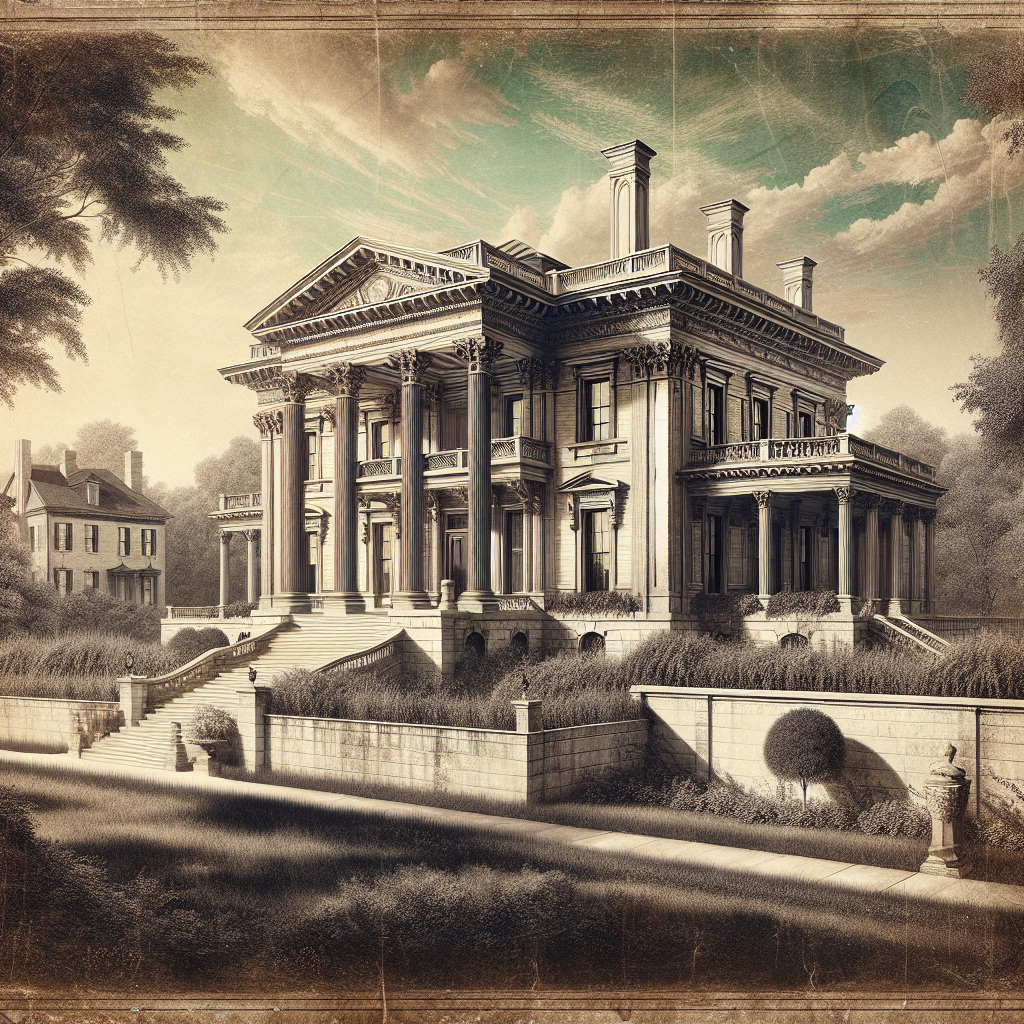

Tucked away in Binghamton, New York, amidst the echoes of history, stands the Phelps Mansion—a relic that sneaks up like a ghostly whisper. Built by Sherman D. Phelps in 1870, this stunning example of Gilded Age architecture has sparked the imaginations of both historians and casual visitors. Phelps, a man of ambition and means, reshaped this stately Victorian abode to reflect not just his wealth but his view of the world at a time when America was steadily building its identity in the global arena. The mansion's continued presence offers us a chance to walk through history, understand the past, and ponder the future.
Phelps was a banker, businessman, and eventually the mayor of Binghamton, manifesting his success through the impressive design of his house. The mansion, a three-story brick edifice, exhibits exquisite details that reflect both opulence and the industrial hustle of the era. From intricate woodwork to heavy curtains, the interiors blend luxury with the raw, unapologetic aesthetic of 19th-century America. In a time when cultural expression was evolving, the mansion stood as a testament to individual achievement and the broader social trends of the day.
Stepping inside, visitors find themselves immersed in the detailed grandeur that greeted guests nearly 150 years ago. It's more than just an exhibition of wealth—it's a museum in today's context, posing as an educational window into the lives of those who lived in a dramatically different world. You might feel the grandeur and the ghost of a bygone era in the wallpapers and the portraits lining the hallways. The Phelps Mansion, now a site for cultural activities and community gatherings, has embraced its identity as a historical artifact and a vibrant community resource.
Preserving the old while embracing the new, the Phelps Mansion serves as a venue for lectures, concerts, and social functions, intertwining the threads of the past with the present-day cultural fabric. This allows Binghamton's contemporary society to connect with history actively and engage with it in meaningful ways. It's remarkable how the mansion stands as a metaphorical bridge between two worlds—the past that's been, and the unfolding stories of today.
Yet, the Phelps Mansion's story isn't just about affluence and high society. This home also paints a picture of the less spoken realities of the time. As we roam its rooms and linger in its halls, we must remind ourselves of the stark social differences characteristic of the era. Massive homes were often maintained by the unseen and unheard—the working class whose stories were seldom told. In this silent narrative, the mansion recalls not only luxury but also the hardships of those who toiled in its shadow.
Such stories underline a commitment to understanding our past's full narrative, including the voices that didn't dominate history's pages. In this respect, the Phelps Mansion stands as a reminder and a promise that our stories—both glorious and grim—are interconnected. It opens dialogues about class, privilege, and power structures that are just as relevant today.
One might argue that the resources spent on maintaining such historical structures could be better allocated to solving current societal issues, like homelessness or education. A counterpoint could highlight the importance of preserving history and culture as foundations for identity and learning. These perspectives open a platform for discussion among society, encouraging us to weigh historical importance against present-day priorities, and find innovative ways to bridge the two.
For Gen Z, known for its dynamic engagement with social issues and justice, the Phelps Mansion could be more than an occasional Instagram photo op. It can be a canvas for educational outreach, conversations around historical consequences, and reflections on how far society has—or hasn't—come. This active participation in shaping historical narratives can redefine how we see traditional sites and use them as tools for learning.
Visiting the mansion today, the curious wanderer is bound to walk away with more questions than answers. This curiosity drives us to look deeper into not just the grandeur but the whispers of those who stepped before us. Phelps Mansion, in a quiet corner of New York, challenges us to embrace our history fully, learn from it, and push forward into a more equitable future.