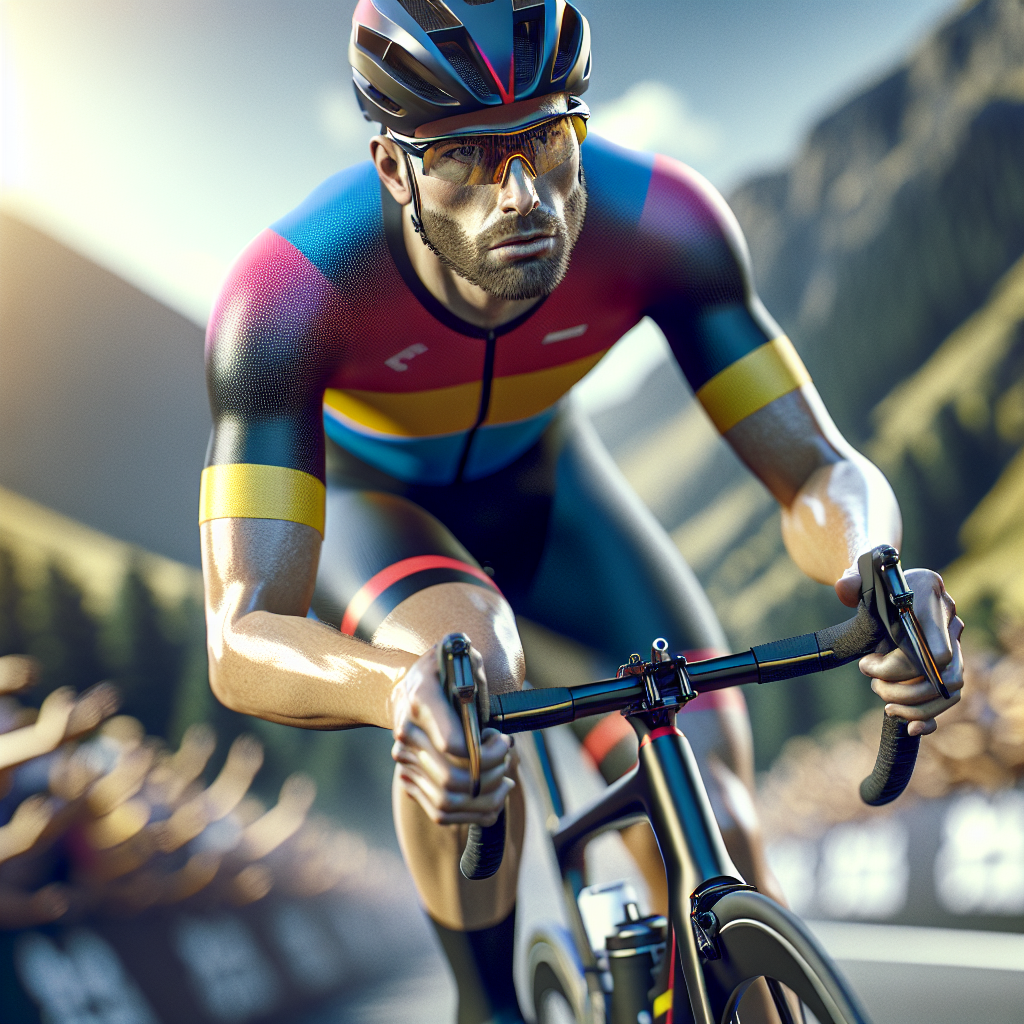

Imagine a rock star—not one armed with a guitar, but with a bicycle—conquering mountain ranges and city streets with charm and audacity. That image encapsulates Peter Sagan, a professional cyclist who has captivated the world. Born on January 26, 1990, in Zilina, Slovakia, Sagan has been a prominent figure in the cycling world since he turned professional in 2009. He has won the UCI Road World Championship three times consecutively and dazzled fans around the globe by his fearless sprints and endearing personality. From the cobblestone paths of Paris-Roubaix to the bustling energy of the Tour de France, Sagan embodies a mix of skill, charisma, and progressive thinking that breaks past mere athletic prowess.
Cycling isn’t just about brute strength or speed, but also strategy, patience, and sometimes embracing a touch of recklessness. Sagan combines these elements with a dose of renown rarely seen in the sport. With an extravagant style and a sense of humor that appeals to millennials and Gen Z, he has drawn in fans who might not traditionally be interested in cycling. His unique ability to combine athletic success with a global appeal has turned him into a bridge between cycling enthusiasts and mainstream audiences.
Though framing Sagan as just a cyclist would be an oversimplification. To some, he's a maverick reshaping the boundaries of the sport, to others a champion who has learned to ride the wave of fame without losing touch with his roots. And while his antics on and off the track draw cheers from fans, some critics argue that they detract from the traditional image of professionalism in cycling.
Beyond the glamour of the European races, Sagan's lifestyle has always been a point of fascination and sometimes controversy. His tendency to ride without gloves, the casual wheelies post-victories, and quirky impressions are not mere traits, but elements that make him relatable. They make Sagan a character in a narrative full of humor and humanity.
But like all narratives, Sagan's journey has its bumps too. Injuries, changes in team dynamics, and the burden of expectation have been constant companions. In professional cycling, where young talent constantly emerges, staying ahead requires relentless dedication. And Sagan, despite his success, has never shied away from speaking about the pressures he faces. These admissions render him more human, breaking the often stoic facade portrayed by athletes.
Another fascinating layer to Sagan is his crossover appeal. He has embraced the gravity of environmental issues, standing as an advocate for greener practices at sporting events. This stance resonates with younger generations who are increasingly concerned about sustainability and climate change—the same generations who find a hero in Sagan not solely for his cycling but for the larger ideals he represents.
Sagan's role in modern cycling epitomizes a broader transformation within the sport. He’s come to symbolize a shift toward inclusivity and innovation, as organizations and sponsors alike look for ways to connect with newer audiences. He is celebrated in diverse communities for his open acceptance of cultures worldwide, a trait that aligns well with a generation that values diversity.
While mainstream media might focus on his race results and playful demeanor, the deeper conversation lies in how figures like Sagan are reshaping sports culture. They challenge conventional ideals, advocating for inclusion, and shifting the narrative to prioritize values over victories.
There are critics within the cycling community who cling to traditional ideals, arguing that athletes should embody nothing but seriousness and dedication to the sport. Yet, many young fans are drawn to Sagan precisely because he challenges these norms. His ability to remain approachable and entertaining while competing at the highest level provides a refreshing take on what it means to be a modern athlete.
As Sagan continues to carve his path, whether on thrilling descents or within the pages of glossy magazines, his legacy will not just be measured in accolades, but also by the dreams he inspires. His journey underscores the broader human emotion of pursuing excellence while staying true to oneself. In a world where stereotypes and expectations can easily corner an individual, Sagan’s story rides against the current.
Will Peter Sagan continue to dominate the world of cycling and influence broader societal conversations? That remains to be seen. Yet, with each pedal stroke, he continues to remind us why athletes can be both exceptional and endearingly imperfect.