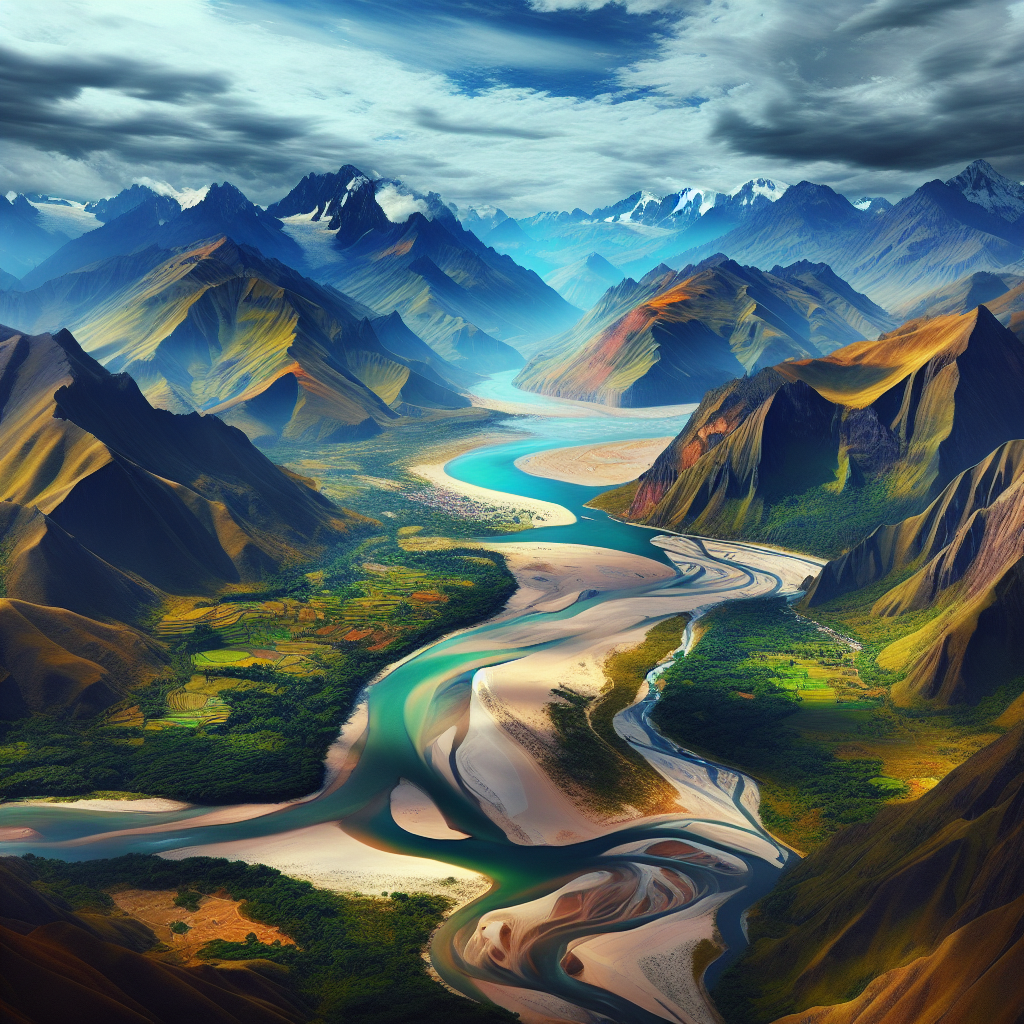

Peru is like a vibrant tapestry woven from a blend of history, culture, and natural beauty waiting to be unraveled by the curious. Home to 33 million people, it sits on the western edge of South America, facing the vast Pacific Ocean. With its roots tracing back to ancient civilizations like the Incas, juxtaposed against the endeavors of progressive modernity, Peru presents an intriguing study of contrasts. The diversity of its landscapes – ranging from the soaring Andes to the verdant Amazon basin – mirrors the rich cultural mosaic of its people. But what makes the 'Peruvian Motherland' a concept that tugs at heartstrings, both locally and globally?
The essence of Peruvian identity is built upon a deep-seated pride in its indigenous heritage, which continues to thrive despite centuries of colonial influence. The Incas, renowned for their architectural marvels such as Machu Picchu, symbolize a civilizational zenith that commands admiration. Celebrated for their ingenuity, they constructed sophisticated road networks and understood agricultural practices that modern science respects and refers back to today. For Gen Z and other global citizens, the Incan legacy offers lessons in sustainability and resourceful living, attributes highly cherished in our modern, environmentally-conscious world.
Yet, within Peru's national pride, there's recognition of hardships stemming from colonization. The conquests by the Spanish in the 16th century left indelible marks on Peruvian society. Confronting this historical narrative involves acknowledging the socio-economic disparities and cultural erosion experienced by indigenous communities. This bittersweet dichotomy that blends tragedy with resilience opens pathways to deeper dialogues about global colonial histories, cultural preservation, and the fortification of indigenous rights.
Peru today is an emerging economy fueled by mining exports, agriculture, and tourism. However, it's the nation's culinary revolution that has captured international attention. From quinoa to the humble potato, the cradle of Andean agriculture has inspired global food movements. Lima, the capital, is heralded as a culinary hotspot, with restaurants regularly topping global lists. This renaissance isn't merely about gastronomy; it's emblematic of Peru reclaiming its cultural giftings and broadcasting its potential to a world that increasingly values authentic, local experiences.
Politics within the Peruvian Motherland reflects a spectrum of robust debates and contention. Its political landscape is a colorful amalgam of ideologies, with a significant leaning towards progressive policies in recent years. However, contrasting views persist regarding economic reforms and social policies, often creating a fertile ground for heated political dialogue. Gen Z, witnessing social movements worldwide, can glean insights from Peru about envisioning and mobilizing for broader societal change.
However, despite these advances, challenges remain. Issues such as income inequality and the impact of environmental degradation cannot be glossed over. The Amazon rainforest, part of Peru, faces threats from deforestation driven by illegal logging and mining activities. While Peru has made strides in renewable energy, these ecological challenges demand urgent attention and thoughtful policies. Conversations around environmental protection resonate strongly among younger audiences who are acutely aware of climate change impacts.
The paradoxes within the Peruvian Motherland extend to socio-cultural domains, where modern egalitarian ideals and traditional customs intersect. Peru has made progress regarding gender equality and LGBTQ+ rights, albeit with room for growth and broader acceptance. For Gen Z celebrated for catalyzing progressive societal shifts, Peru presents an opportunity to perceive the universal hurdles in human rights advancement while appreciating unique cultural nuances.
Peru's recent political upheavals, including contentious presidential elections, underscore the importance of democratic processes in safeguarding foundational freedoms. Political participation and transparent governance are more relevant than ever, considering the challenges democracies worldwide face. Gen Z readers, passionate about participatory governance, may find Peru's experiences a mirror reflecting global democratic aspirations and challenges.
Culturally, Peru is a centerpiece of vibrant music, dance, and art. From traditional Andean huaynos to Afro-Peruvian rhythms, these expressive forms are preservations of identity and history. Peruvian art, whether muralist or ceramics, tells stories that transcend borders, imparting narratives of resilience and hope. For global youth, the arts are boundless bridges linking diverse cultures through the common language of storytelling and creativity.
In this digital age, Peru embraces technology, catapulting its more isolated communities onto the global stage. The rise of digital nomadism in Peru reveals its magnetic appeal, drawing individuals seeking inspiration nestled within its landscapes and cultural icons. This trend underscores a global tilt towards experiencing life as global citizens, where work-life balance meets cultural immersion.
Exploring the Peruvian Motherland is a journey through tradition, modernity, adversity, and sanctuary. It's not just a country; it's an experience in dynamic progress, inspiring change-makers worldwide. The vitality of its people—their joys, struggles, and triumphs—echo across mountains and deserts, silently inviting us all to ponder our connections to heritage, resilience, and transformation.