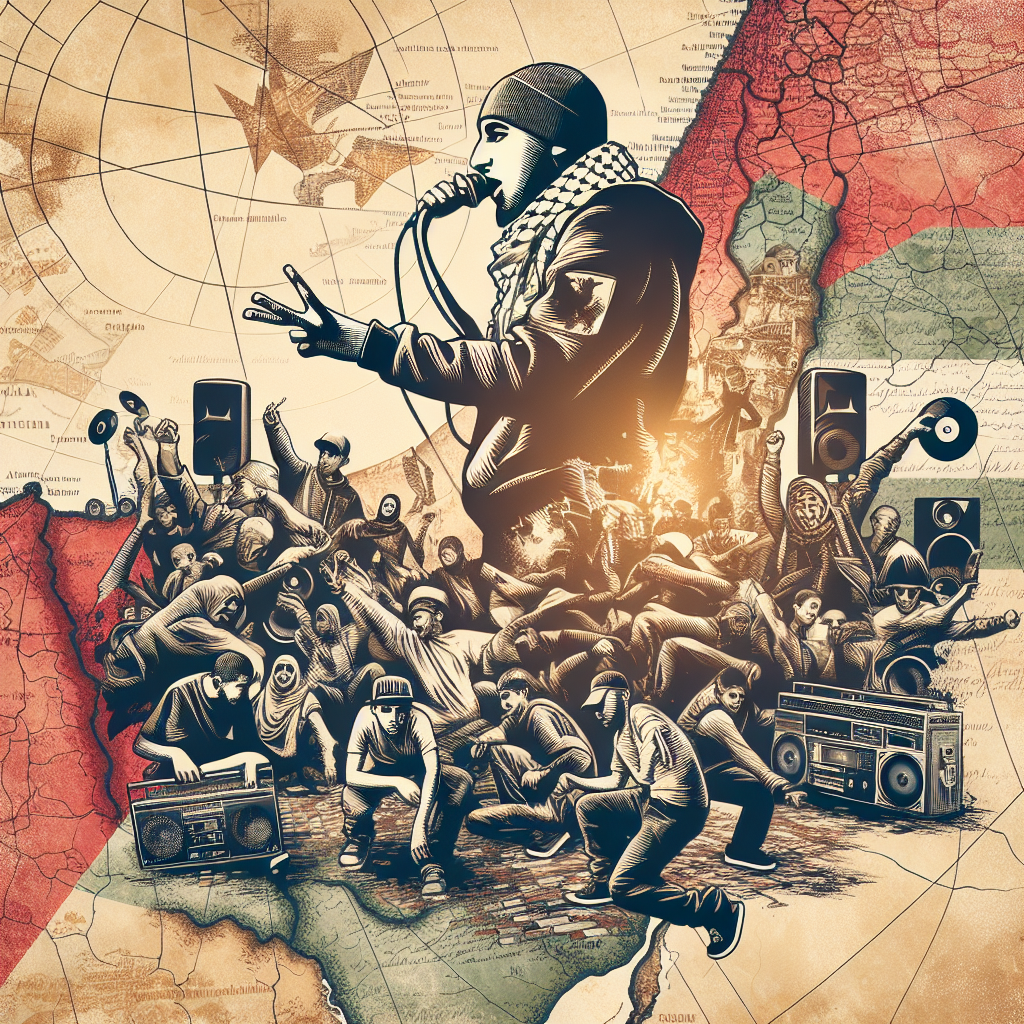

Palestinian hip-hop isn't just a genre; it's a fierce lyrical movement that pulses from urban streets to global stages. This captivating form of expression emerged in the late 1990s, as young Palestinians in the West Bank and Gaza Strip began to use rap to articulate their frustrations, dreams, and calls for change in a land fraught with conflict. It's a cultural and socio-political phenomenon that mixes traditional Palestinian sounds with the beats and rhythms of hip-hop, a blend as innovative as the stories it tells.
The roots of Palestinian hip-hop can be traced to the global influence of American hip-hop, which was itself born from struggle and resilience. In cities like Ramallah and Gaza, young artists found inspiration in the voices of world-renowned rappers who spoke truth to power and challenged social norms. Palestinian rappers embraced this genre as a platform to address the political issues they face daily, such as occupation, identity, and resistance.
Groups like DAM, which formed in the early 2000s, became pioneers of this movement, spitting verses that delve deep into themes of inequality, injustice, and national pride. With lyrics often in Arabic, English, or a mix of both, Palestinian hip-hop connects with listeners worldwide, transcending language barriers and making a global audience understand local struggles. DAM’s tracks, for example, fuse Western hip-hop influences with traditional Arabic musical elements, creating a unique soundscape that's both authentic and locally resonant.
The environment in which these artists operate is fraught with challenges. Restrictions on movement and censorship add to their adversity, yet these same pressures fuel their creativity. Music studios doubling as safe havens allow these artists to express themselves without the weight of constant surveillance. The digital age further empowers Palestinian hip-hop artists, enabling them to distribute their music online, bypassing traditional media outlets that might otherwise ignore or censor their messages.
Critics of Palestinian hip-hop sometimes argue that it propagates divisive rhetoric and exacerbates tensions. Yet, for many artists and fans, the genre offers a necessary outlet for venting frustrations and nurturing a sense of community. Rappers use their art to spark dialogue, foster solidarity, and engage both local and international audiences. Through poignant storytelling and raw emotion, they shed light on the lived realities of Palestinians, something that news reports or political essays may fail to capture fully.
Among the younger generation, Palestinian hip-hop resonates as a dynamic form of cultural resistance. It appeals to Gen Z for its authenticity and relevance, speaking directly to their experiences and aspirations. Social media platforms play a critical role in amplifying these voices, with apps like TikTok spreading their messages far beyond traditional borders and giving rise to a new form of activism. Svanging tracks, soundbites, and music videos become viral not just because of their catchy beats, but because they echo shared values and themes of resilience and hope.
Palestinian women are also making significant strides within this genre. Artists like Shadia Mansour, often referred to as the 'First Lady of Arab Hip-Hop,' challenge patriarchal norms and speak on issues of gender alongside the struggle for national and cultural identity. Their contributions add layers to the narrative of resistance, highlighting the multifaceted nature of Palestinian life and ensuring that the discourse doesn't ignore female perspectives.
For many outside the Middle East, Palestinian hip-hop provides an unprecedented gateway to understanding the region's complexities. Through immersive music and compelling stories, it offers a more nuanced perspective than might be available through mainstream media channels. Every beat and bar is a testimony to survival, perseverance, and the enduring spirit of a people often portrayed solely through the lens of conflict.
Whether adored or criticized, Palestinian hip-hop undeniably plays a vital role in cultural and political conversations, offering a powerful voice to a community that fights daily for recognition and rights. It reminds us of music's power—the ability to inspire change, bring people together, and foster understanding across divides. As new talents emerge and the genre evolves, the world watches and listens, captivated by the persistent beat of resilient voices continuing their push for justice and peace.