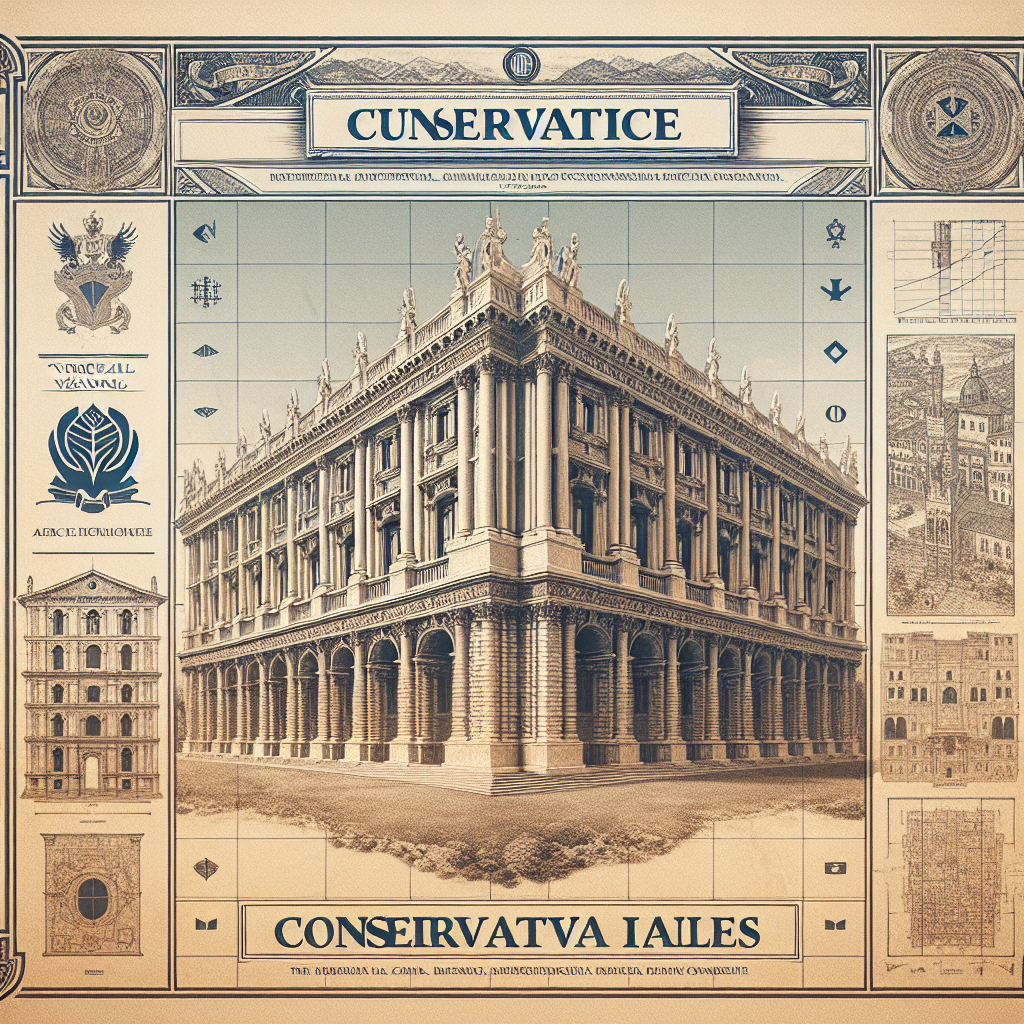

Imagine stepping into a time capsule, where the echoes of centuries-old whispers still resonate in the corridors – that's Palazzo Acciaiuoli for you. Nestled in the enchanting city of Florence, this historical marvel has been standing elegantly since the 14th century. It was commissioned by Niccolò Acciaiuoli, a man of great influence and power, known for his restless ambition and eclectic taste. Constructed around the same era when the Renaissance began to flourish, the palazzo offers a glimpse of Italy's vibrant history.
Situated along the Lungarno Soderini, Palazzo Acciaiuoli has witnessed the ebbs and flows of history. Its architecture reflects the wealth and prominence of the Acciaiuoli family during Florence's most illustrious period. This edifice also serves as an emblem of societal and political tensions that have shaped Italy over the centuries, particularly in the context of power dynamics within influential families.
The Acciaiuolis were patrons of the arts and often associated with the Medici, another notable family known for backing artists during the Renaissance. Florence was the epicenter of artistic and cultural change, and the palazzo was a stage where these transformations unfolded. Each stone and carving of the Palazzo tell tales of alliances, strategic marriages, and even betrayals.
What's captivating about this place is not just its history, but how it survived amidst the turbulent events of its time. Wars, revolutions, and social upheavals marked its timeline, and yet it stands tall. Many of its contemporaries did not survive, being demolished or altered beyond recognition.
The structural design combines elements of medieval fortitude with the delicate artistry that became prominent during the Renaissance. Its façade might not be as flamboyant as that of a baroque masterpiece, but this simplicity brings out its charm and enhances its allure. There's a profound elegance in its reserved demeanor, one that doesn't boast but stands as a testament to its rich past.
Florence's notorious flood in 1966 threatened many historical buildings, including Palazzo Acciaiuoli. Even during chaotic times, efforts were made to preserve such iconic edifices, showing a collective appreciation towards heritage and history. Such incidents bring us to confront a philosophical and practical question: how much of our resources should we allocate toward preserving history versus championing progress?
On one hand, preserving places like Palazzo Acciaiuoli serves as a bridge to our past, offering a deep connection and understanding of cultural identity and heritage, something that Gen Z finds as a focal point of nostalgia and roots. On the other hand, utilizing resources for contemporary needs like infrastructure, technology, and housing is equally important. These are ongoing debates where voices from all generations weigh in to strike a balance.
We often find ourselves caught between the grandeur of history and the push for modernity, and Palazzo Acciaiuoli perfectly encapsulates this dilemma. Yet young generations today are beginning to appreciate the blending of new and old. There's a growing trend of modern adaptations and sustainable development that respect and integrate historical contexts instead of obliterating them. It's not lost on us how innovative solutions can honor the past while moving seamlessly toward the future.
Visiting this historic place, one cannot help but appreciate its calm aura amidst the bustling city. As people flock to urban settings, seeking connections through screens, places like Palazzo Acciaiuoli draw attention to a different kind of connectivity, one that transitions from the tangible to the ephemeral, urging us to appreciate the present moment.
Palazzo Acciaiuoli represents a standing argument that history need not be relegated to museums or books. Living spaces and public areas can harmoniously blend historical preservation with modern ingenuity. It inspires us to challenge the status quo of architectural and urban planning.
Florence, a city that time and time again resists the monotony of modernity while excelling in it, offers the perfect backdrop to Palazzo Acciaiuoli. The community's ability to intertwine artistry with everyday life sets a powerful precedent for how we can reimagine other cities and cultural landmarks.
As the world becomes more interconnected and fast-paced, taking a moment to step into history’s footprints becomes ever more important. Through the lens of Palazzo Acciaiuoli, we see the dance between history and progress as not just a possibility but a requirement for a richer, more inclusive future.