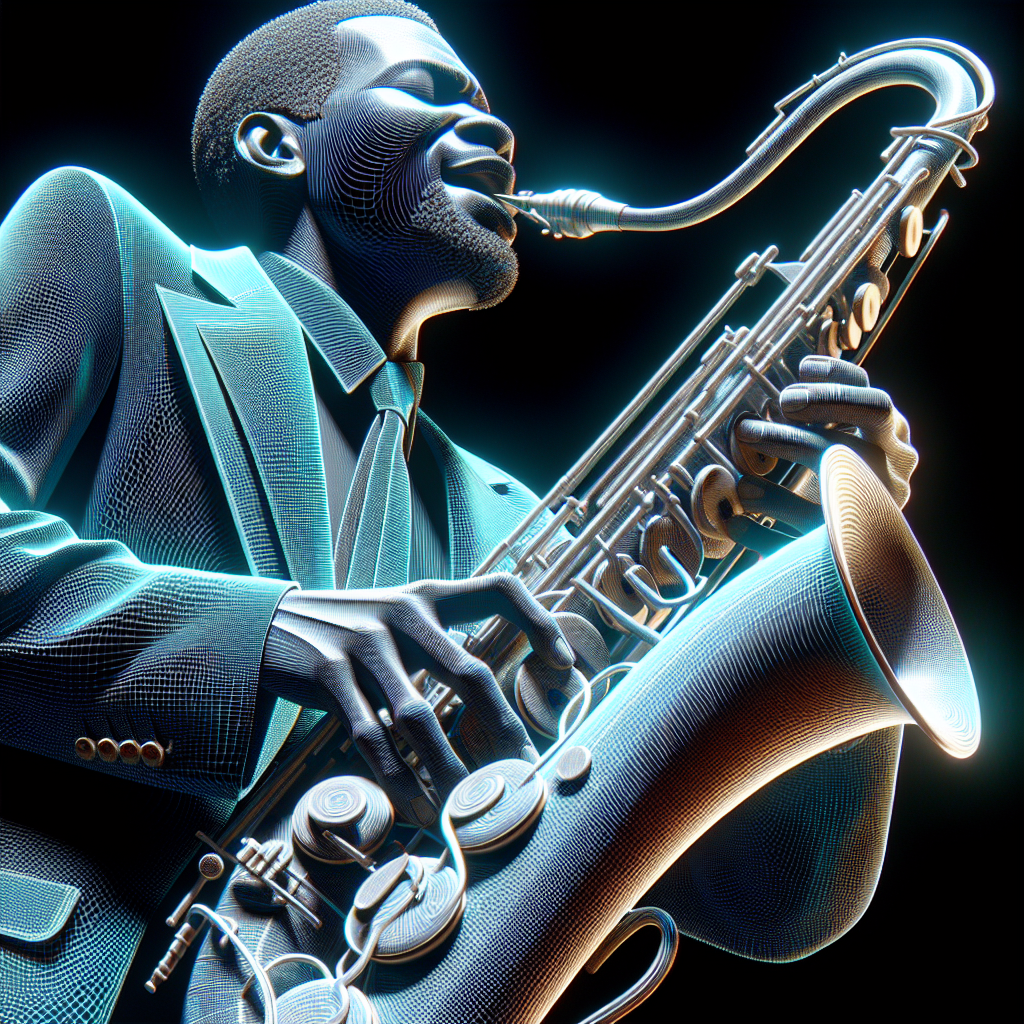

Picture this: the 1960s in Nigeria, a world buzzing with change and innovation, where the saxophone isn't just an instrument but a revolutionary weapon used by none other than Orlando Julius. Orlando Julius Aremu Olusanya Ekemode, born in 1943 in Ijebu Ijesha, Nigeria, was a powerhouse in the music scene, merging traditional African sounds with Western jazz and soul, igniting a musical revolution. His unique style spurred on the Afrobeat movement, blending cultural roots with global influences, and he wasn't alone in this pursuit; alongside contemporaries like Fela Kuti, Orlando helped pave the way for African music on the international stage.
Orlando's journey into music began in his family's home, surrounded by a rich soundscape of local music traditions. But as much as he respected the culture of his roots, he was equally intrigued by American jazz icons. This duality is what gave his music a distinct sound, mixing local rhythms with international flair. Julius created a bridge, musically speaking, between continents and cultures at a time when the world was increasingly ready to embrace difference and diversity.
In the 1960s and 70s, Nigeria was alive with new sounds, fueled by political change and youthful energy. It was into this vibrant context that Orlando Julius broke into the scene, taking full advantage of the cultural shifts surrounding him. He transformed the landscape with hits like 'Super Afro Soul,' a mixture of African highlife, American R&B, and soul. His music didn't just get people dancing; it became a medium for expressing political and social consciousness, sparking dialogue around the political unrest affecting Nigeria and many other nations at the time.
Orlando's influence wasn’t confined within the borders of Nigeria. His sounds reached audiences far beyond, influencing the global music scene. His collaborations with African and Western artists provided a platform for Afrobeat, a genre that has continued to evolve and inspire contemporary musicians. Today, Afrobeat is an integral component of popular music worldwide, and we owe a lot of that to pioneers like Orlando Julius who pushed boundaries and explored beyond the normative line-up of music bands.
Those of us who champion the underdog in political and cultural spaces might see a bit of ourselves in Orlando's legacy; here was someone whose career reflected the sentiment of change, of breaking from traditional molds to explore and celebrate hybrid identities. Yet, even though Orlando embraced western influences, he was unapologetically Nigerian, preserving and celebrating African uniqueness in music. This balance of integration and authenticity is what makes his story particularly resonant.
While there are critics who believe that blending traditional and Western music might lead to the erosion of distinct African identities, Orlando’s approach counters that narrative. He proved that celebrating one's heritage while exploring new sounds wasn't an act of dilution but a form of enrichment. His life's work illustrates that music can serve as a cultural meeting point without erasing its origins.
Orlando's death in April 2022 was a significant loss to the music world. It's always a heavy moment when history makers pass on. Yet, his legacy remains, rippling through the tunes of modern artists who draw on the Afrobeat genre he helped to invigorate. It’s important to recognize how this vibrant sound continues to make waves, influencing everything from pop to hip-hop across the globe today.
Orlando's story is more than just about sound; it's about the power of cultural exchange and the impact of music as a universal language. It reminds us that art can transcend borders, offering shared experiences that foster understanding and respect. As we navigate a world that often feels divided, Julius’s legacy suggests a hopeful path forward — one where diversity isn’t feared but celebrated, and where the music of our past can inform and inspire our future.