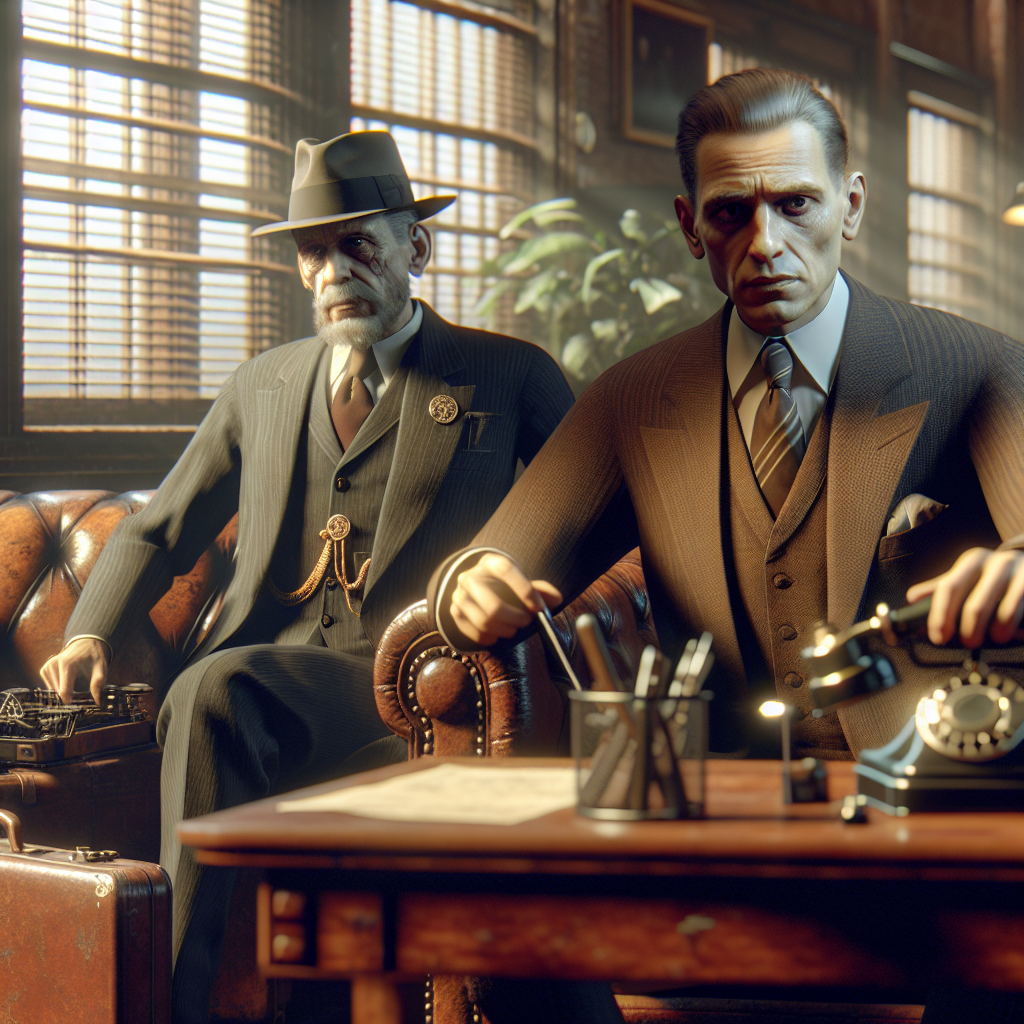

If you thought a James Bond movie was the pinnacle of intrigue, wait until you hear about Operation Rubicon. This real-world espionage escapade involves the CIA, the German Federal Intelligence Service (BND), and a Swiss company called Crypto AG. Starting in the 1950s, these two intelligence agencies collaborated in one of history's biggest espionage operations, spanning several decades. What sounds like a complicated fictional plot actually represents a significant part of the Cold War. The CIA and BND effectively turned a private business into a global spying operation, leveraging the manufactured coding machines to eavesdrop on countries around the world.
During the mid-20th century, world leaders sought secure communications more than ever. The Cold War environment bred paranoia and catalyzed the need for privacy in governmental communications. Enter Crypto AG, a Swiss company trusted for its encryption devices by over 120 countries. Unbeknownst to most, the CIA and BND owned the company, rigging the devices with built-in vulnerabilities to decode messages easily. It was an ingenious yet devious ploy. Imagine trusting someone only to have them secretly record everything you say.
This operation has its roots deep in the Cold War, a period when the concern for information security was paramount. As nations competed for global influence, reliable communication channels were crucial. The U.S. and Germany took advantage of this need. They used Crypto AG devices to listen in on diplomats, world leaders, and governments who were none the wiser.
But how did Operation Rubicon become public, shattering decades of secrecy? The operation thrived until 1992, when Germany decided to end their involvement, selling their stake. Meanwhile, the U.S. held onto its share until the early 21st century. In 2020, a bombshell report from The Washington Post, ZDF, and Swiss radio exposed the operation, showcasing the depth of Western intelligence during the Cold War.
The revelation sparked a heated debate about ethics, privacy, and sovereignty. Those on the side of Western intelligence argue that such measures were necessary, a strategic advantage during an uncertain era. Without such tools, they say, critical intelligence might have been harder to obtain, leading to potentially dangerous global events.
On the flip side, the exposure triggered outrage among countries who relied on Crypto AG. They placed their trust in Swiss neutrality only to find themselves hoodwinked. Many argue that this exploit violated international law, with a few demanding compensatory measures. It raises a hard question about trust in international relations. If countries exploit each other's trust, is any communication truly secure? Can any government be relied upon not to overstep in the face of geopolitical gain?
Furthermore, as technology advances, Operation Rubicon poses pertinent ethical questions about responsibility in cybersecurity. We now live in a digital age where online privacy is a heated debate topic. Operation Rubicon serves as a historical precedent illustrating how far intelligence agencies may go. It also exposes how vulnerable and trusting the global communication network is or was. How can younger generations, with their digital lives intertwined, ensure security without sacrificing freedom?
There are political dimensions to consider, too. The operation reflects a pragmatic approach to geopolitical challenges. Political realists might see it as an effective means of control and surveillance embodying the very essence of Cold War strategic thinking. But for liberals who value individual rights and transparency, Operation Rubicon is a clear breach of trust, ethics, and international norms.
In the end, each side of the argument holds some merit. Western intelligence may have benefited immensely, potentially even averting crises with the information gathered. Yet, the ethics of misleading nations and breaching sovereignty stand starkly against these actions. As Gen Z, the generation growing up in the digital age, grapples with these revelations, they are reminded that privacy is not a given; it's a privilege often put to the test by political and technological developments.
While Operation Rubicon now belongs to history, its legacy lingers. It challenges us to think critically about the power of trust, the fragility of privacy, and the lengths governments might go to protect national interests. In today's interconnected world, every chat, email, and message could potentially be the next Trojan Horse. Trust and skepticism walk hand in hand, shadowed by the ghosts of operations past.