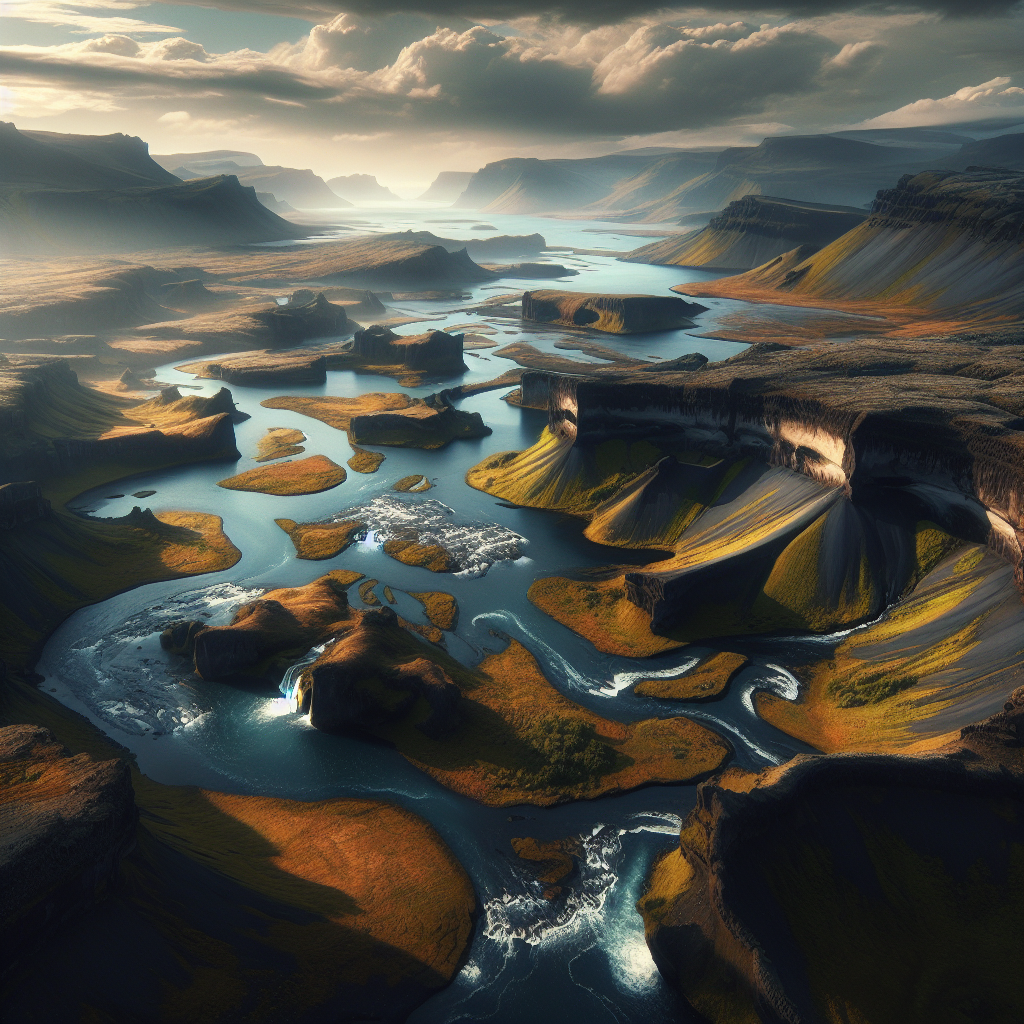

If you've ever wondered where the world's happiest elves might live, it could very well be in Ölfus, Iceland. Ölfus is a beautiful region located in southwest Iceland, where nature's raw beauty and a progressive mindset intertwine to create an intriguingly unique landscape. Just a short drive from Reykjavik, the capital city, this area offers a glimpse into Iceland's stunning wilderness, as well as its innovative approach to conservation and eco-friendly tourism, constantly balancing local interests with environmental preservation.
Ölfus is more than just a geographical spot on the map; it's a community that embodies Iceland's dedication to environmental sustainability and cultural heritage. The region is home to the quiet village of Hveragerði, famous for its hot springs and vibrant geothermal activity with natural hot rivers that make it a unique place for bathing and relaxation. This quaint town serves as a central hub for adventurers seeking the beauty of the surrounding landscapes, characterized by lush mountains, roaring waterfalls, and expansive vistas.
This part of Iceland is known not only for its visual allure but also for being a trailblazer in sustainable practices. The geothermal energy that abounds here supports local households and industries while maintaining a minimal carbon footprint. These efforts are aligned with Iceland's broader environmental goals, aiming at producing all its energy from renewable sources. It's an inspiring model for the rest of the world, showing how communities can thrive while reducing environmental damage.
For young travelers and the Gen Z audience, Ölfus presents an opportunity to engage with the world in a responsible and rewarding manner. The region offers various outdoor activities, from hiking in Reykjadalur, where you can feel the earth's warmth under your feet, to witnessing the mighty Reykjafoss. These experiences aren't just about encountering nature; they're about forging a connection with the planet that extends beyond Instagrammable moments.
Photos of stunning Icelandic landscapes often crop up as quaint wallpapers on our screens, but being in Ölfus in person offers something deeper and more immersive. It's about understanding the significance of what you see and realizing that maintaining these sights necessitates a conscientious effort to preserve the natural world. A firsthand experience provides insight that no amount of digital scrolling can replace, promoting a genuine appreciation for conservation efforts and responsible tourism.
While Ölfus thrives on green energy, debates around the development and use of natural resources continue. Some argue these practices could pose risks to the area's natural beauty and ecosystems. Opponents of increased energy exploitation urge for balanced discussions, emphasizing the protection of Iceland's unique environment. We must consider these perspectives seriously, as they echo broader global conversations on ecological preservation.
Local communities, therefore, find themselves at the forefront of a balancing act between progress and preservation. They advocate for responsible development that doesn't compromise their land's inherent value or the biodiversity it shelters. This dual focus on growth and conservation serves as a reminder to us all that advancing society and protecting nature don't have to be mutually exclusive goals.
Beyond its landscapes and environmental initiatives, Ölfus is rich in culture and heritage. The local cuisine, deeply connected to the surrounding land and sea, reflects the sustainable practices that define the area. The charming social fabric is woven together by stories from both Icelandic folklore and modern community life, offering visitors a taste of robust, multifaceted Icelandic identity.
The tourism boom in Iceland has brought new opportunities and challenges to such regions, prompting dialogue around sustainable ways to welcome the influx of curiosity without wreaking havoc on the environment. Proper infrastructure and rules are imperative to managing the ebb and flow of tourists while ensuring that locals and landscapes are respected and protected. Visitors are encouraged to embrace this responsible stewardship, supporting practices that honor both the place and its people.
Art and innovation also play significant roles in the Ölfus community. Creative projects frequently draw inspiration from the land, celebrating everything from mythological sagas to modern-day sustainability efforts. Events, exhibitions, and installations provide avenues for locals and visitors to articulate and celebrate their connection to the environment.
It's easy to see why Ölfus is a compelling destination for today's thoughtful traveler. It challenges us to think about our interactions with nature, encouraging mindfulness and responsibility. The lessons from this small but mighty corner of the world remind us of our collective responsibility to cherish and protect the Earth.
So when planning your next adventure, consider Ölfus as a gateway not only to Iceland's raw beauty but also to an enriching experience that extends far beyond postcards or travel hashtags. This area of Iceland invites you to be a part of its story, offering a perspective that's as much about fostering global awareness as it is about personal exploration. Ölfus is where the future of travel meets the age-old challenge of preserving the world for generations yet to come.