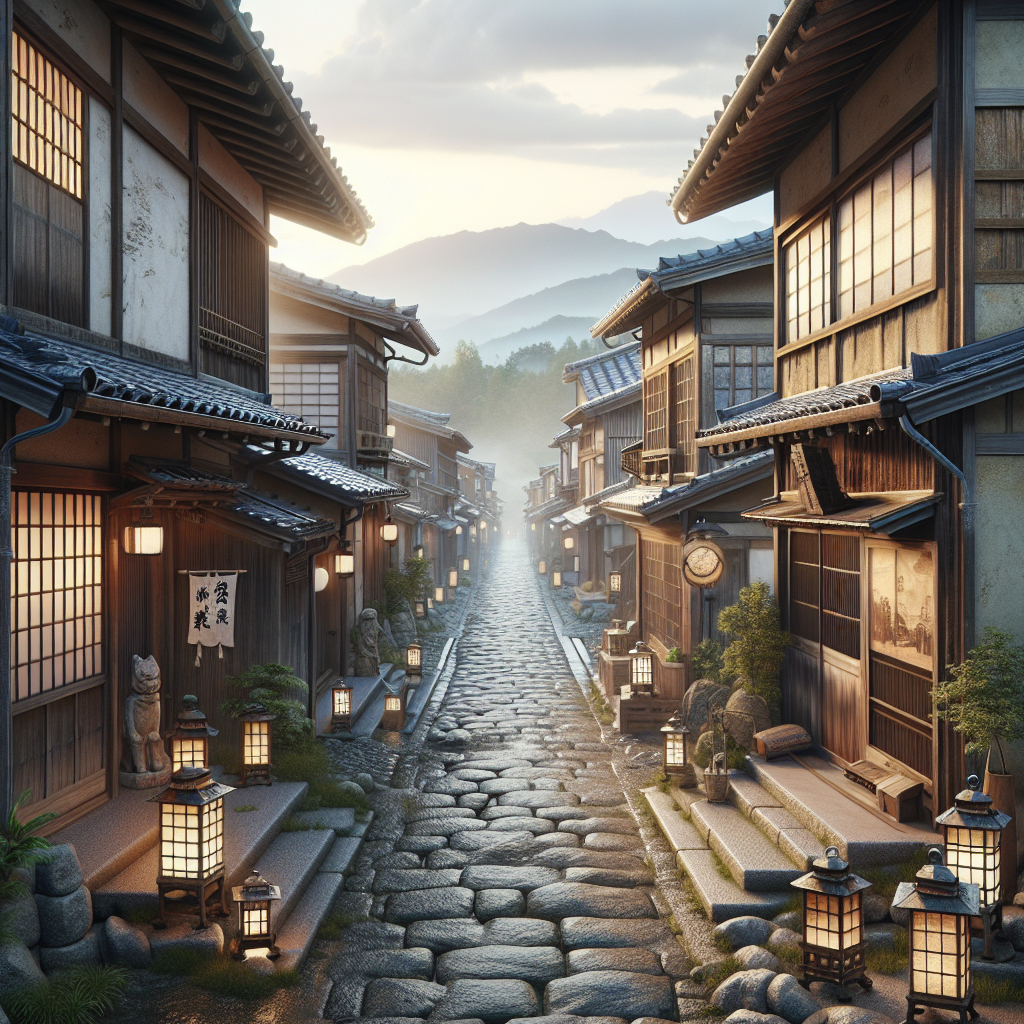

Odawara-juku: A Journey Through Time
Imagine walking through a bustling post town in Japan during the Edo period, where samurais, merchants, and travelers converge, each with their own stories and destinations. This is Odawara-juku, a historical post station located in present-day Odawara City, Kanagawa Prefecture, Japan. Established in the early 17th century, Odawara-juku was one of the fifty-three stations along the Tōkaidō, the vital road connecting Edo (now Tokyo) to Kyoto. It served as a crucial rest stop for weary travelers, offering lodging, food, and a glimpse into the vibrant culture of the time. The significance of Odawara-juku lies not only in its role as a logistical hub but also in its contribution to the cultural and economic exchange that shaped Japan's history.
Odawara-juku was more than just a pit stop; it was a microcosm of Edo-period society. The town was strategically located near the Hakone Pass, a challenging section of the Tōkaidō, making it an essential stop for travelers to rest and prepare for the journey ahead. The bustling streets were lined with inns, tea houses, and shops, catering to the needs of diverse travelers. From samurais on official duties to merchants trading goods, Odawara-juku was a melting pot of people and cultures. This vibrant atmosphere fostered a unique blend of traditions and innovations, contributing to the rich tapestry of Japanese history.
The historical significance of Odawara-juku is not lost on modern Japan. Today, efforts are being made to preserve and celebrate its legacy. The town has become a popular tourist destination, attracting visitors eager to experience a slice of history. Walking through the streets of Odawara, one can still find remnants of the past, from traditional architecture to museums dedicated to the Tōkaidō. These efforts not only honor the town's historical importance but also provide an opportunity for cultural education and appreciation.
However, the preservation of Odawara-juku is not without its challenges. Balancing modernization with historical preservation is a delicate task. As Japan continues to develop, there is a risk of losing the authenticity and charm that make places like Odawara-juku special. This tension between progress and preservation is a common theme in many historical sites worldwide. It raises important questions about how we value and protect our cultural heritage in the face of change.
From a broader perspective, Odawara-juku serves as a reminder of the importance of connectivity and exchange in human history. The Tōkaidō was more than just a road; it was a lifeline that facilitated communication, trade, and cultural exchange between regions. In today's globalized world, the lessons of Odawara-juku are more relevant than ever. It highlights the need for open dialogue and collaboration across borders, fostering understanding and cooperation in an increasingly interconnected world.
While some may argue that preserving historical sites like Odawara-juku is an unnecessary expense, it's essential to recognize the value they bring to society. These sites offer a tangible connection to the past, providing insights into the lives and experiences of those who came before us. They serve as educational tools, inspiring curiosity and a deeper understanding of history. Moreover, they contribute to local economies through tourism, creating jobs and supporting communities.
Odawara-juku is a testament to the enduring legacy of the Tōkaidō and the rich history of Japan. It offers a window into a bygone era, inviting us to reflect on the journeys of those who traveled its roads. As we navigate the complexities of the modern world, the lessons of Odawara-juku remind us of the importance of preserving our cultural heritage and fostering connections across time and space.