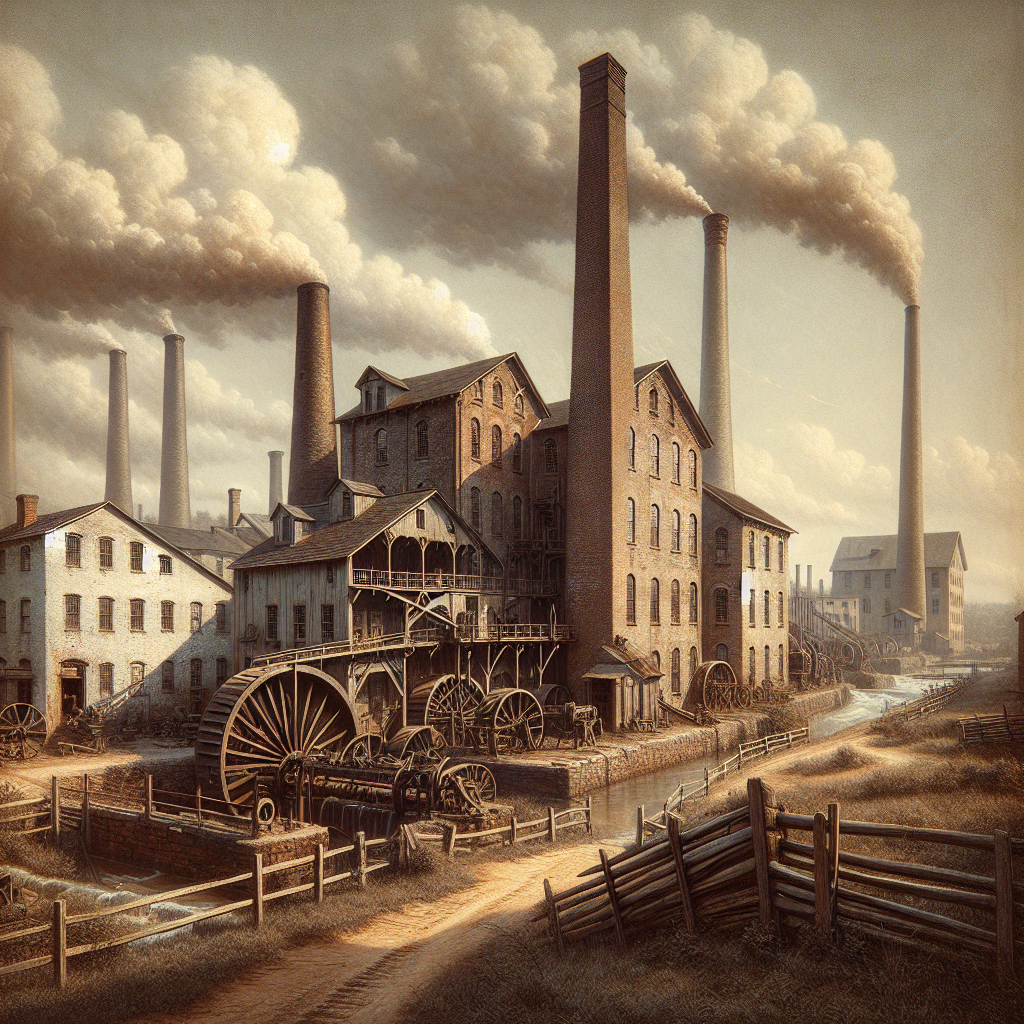

If walls could talk, Oakdale Cotton Mill Village might just hum you a tune of industrial grit and community spirit. Tucked away in North Carolina, this mill village emerged in the late 19th century alongside the establishment of the Oakdale Cotton Mill. Founded in 1865, it was part of the broader industrial thrust that drove the South’s economy post-Civil War. The village was created to house mill workers and their families, offering a glimpse into a unique way of life that revolved around the textile industry.
The Oakdale Cotton Mill Village wasn’t just about producing textiles; it wove the threads of community, support, and camaraderie. The mill provided not just employment but also essential services like housing, which created a tightly knit environment. At its peak, the village was a bustling hub, with schools, churches, and shops all within walking distance for those who lived and worked there.
As you wander through Oakdale today, you’d notice how the architecture maintains its historic charm, a testament to the vibrant legacy left by the villagers. Many of the original mill houses are still standing, echoes of a time when community and work were as intertwined as the threads on the looms themselves.
However, the tale of Oakdale is not without its conflicts and hardships. Working conditions in mills like Oakdale’s were often harsh and labor-intensive, sparking debates over labor rights and fair wages that echo in today’s discussions about worker protections. The workers, including women and children, were the backbone of the industry but worked long hours in challenging conditions. Their struggles lay the groundwork for the rights that modern workers fight to preserve and expand.
Yet, the heart of the Oakdale village was its people’s resilience and their shared life experiences. Community events and gatherings fostered a strong sense of belonging. It’s where stories were swapped, advice was shared, and support systems were unspoken but fiercely understood.
Unlike other mill towns that faded with the decline of the textile industry in the late 20th century, Oakdale has retained its historical significance and charm. Efforts have been made to preserve the mill structures and village houses, reflecting a respect for history while acknowledging the need for progress.
There’s an intriguing blend of nostalgia and progressive thinking when you consider the future of places like Oakdale. While we must honor the past, there’s also room to reimagine these spaces for modern use. Some advocate for converting parts of Oakdale into museums, community centers, or even artist residencies, blending the old with the new, ensuring the village’s historical value continues to contribute to the local culture and economy.
As we explore Oakdale’s narrative, it’s essential to recognize both the achievements and the criticism of industrialization. While it brought progress, employment, and community development, it also highlighted the need for sustainable labor practices and workers’ rights, discussions that are highly relevant today.
Oakdale Cotton Mill Village stands as a reminder of how past decisions shape current realities. For Gen Z, who champions inclusivity and sustainable practices, examining a place like Oakdale offers valuable lessons. It provides insight into the social dynamics of an era that laid many economic and structural foundations we build upon today.
The journey of Oakdale is not just about looking back but also envisioning what the future holds for historical sites that tell the stories of communities, both their highs and their lows. As society evolves, new challenges and triumphs will emerge, further weaving the complex fabric of history and our shared human experience.