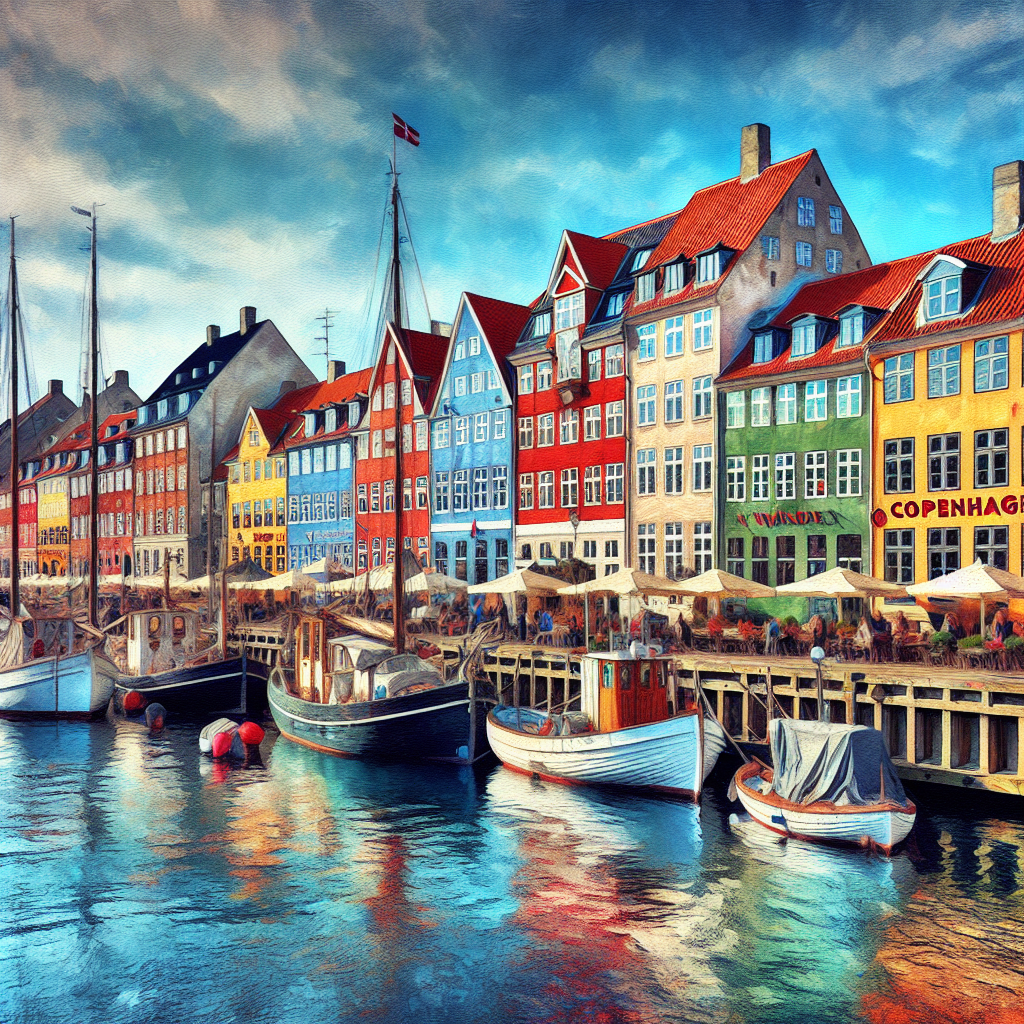

Nyhavn 9: A Historic Gem in Copenhagen
Imagine a place where history, culture, and vibrant colors collide in a picturesque setting that feels like stepping into a storybook. That's Nyhavn 9, a historic building located in the heart of Copenhagen, Denmark. Built in the late 17th century, this charming structure is part of the iconic Nyhavn waterfront, a bustling area known for its colorful townhouses, lively atmosphere, and rich maritime history. Nyhavn 9 stands out not only for its architectural beauty but also for its role in Copenhagen's cultural tapestry, attracting tourists and locals alike who are eager to experience a slice of Danish history.
Nyhavn, which translates to "New Harbor," was originally constructed as a gateway from the sea to the old inner city at Kongens Nytorv, where ships would dock and unload their cargo. Over the years, it transformed from a busy commercial port into a vibrant entertainment district. Today, Nyhavn is a popular destination for both tourists and locals, offering a variety of restaurants, bars, and cafes that line the canal. The area is particularly famous for its colorful 17th and early 18th-century townhouses, with Nyhavn 9 being one of the most photographed.
The building at Nyhavn 9 has witnessed centuries of change, from the bustling trade of the past to the lively social scene of the present. Its walls have seen sailors, merchants, and artists pass through, each leaving their mark on the area's rich history. The building's architecture reflects the classic Danish style, with its vibrant facade and charming details that have been carefully preserved over the years. This preservation is a testament to Denmark's commitment to maintaining its cultural heritage while embracing modernity.
While Nyhavn 9 and its neighboring buildings are a source of pride for many Danes, there are differing opinions on the commercialization of the area. Some argue that the influx of tourists has led to a loss of authenticity, with traditional businesses being replaced by tourist-oriented establishments. They worry that the charm and history of Nyhavn are being overshadowed by the demands of the tourism industry. On the other hand, many believe that the popularity of Nyhavn has helped preserve these historic buildings, providing the funds necessary for their maintenance and restoration.
The debate over Nyhavn's commercialization is a reflection of a broader conversation about the balance between preserving cultural heritage and embracing economic growth. It's a challenge faced by many historic sites around the world, where the influx of tourists can both support and threaten the very essence of what makes these places special. In the case of Nyhavn, the Danish government and local businesses have worked to find a balance, implementing measures to protect the area's historical integrity while welcoming visitors from around the globe.
For those who visit Nyhavn 9, the experience is often one of awe and appreciation. The building, with its storied past and vibrant present, offers a glimpse into Copenhagen's history and culture. It's a place where the past and present coexist, where the echoes of sailors and merchants can still be felt amidst the laughter and chatter of today's visitors. Whether you're enjoying a meal at a nearby cafe, taking a leisurely stroll along the canal, or simply soaking in the atmosphere, Nyhavn 9 is a reminder of the enduring beauty and resilience of Copenhagen's cultural heritage.
In the end, Nyhavn 9 is more than just a building; it's a symbol of Copenhagen's ability to adapt and thrive while honoring its past. It's a place where history comes alive, inviting all who visit to become a part of its ongoing story. As we continue to navigate the challenges of preserving our cultural heritage in a rapidly changing world, Nyhavn 9 stands as a testament to the power of history, community, and the enduring allure of a well-loved place.