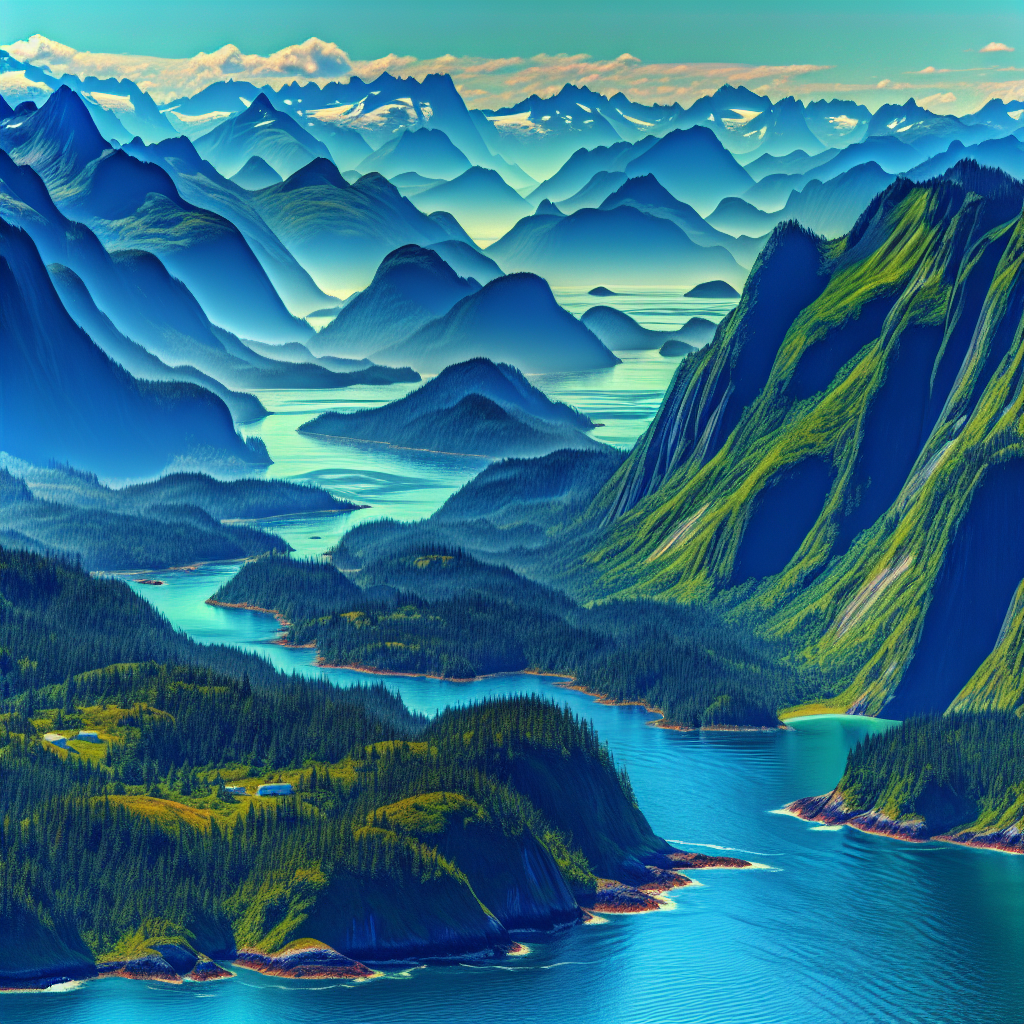

The Enchanting Wilderness of North American Pacific Fjordland
Imagine a place where towering cliffs plunge into deep, serene waters, and ancient glaciers carve their way through rugged landscapes. This is the North American Pacific Fjordland, a breathtaking region that stretches along the Pacific coasts of Alaska, British Columbia, and Washington. Known for its dramatic scenery and rich biodiversity, this area has been shaped over millennia by the relentless forces of nature. The fjordland is a haven for wildlife enthusiasts, adventurers, and those seeking solace in the untouched beauty of the natural world. Its significance extends beyond its visual splendor, as it plays a crucial role in the ecological balance of the region.
The North American Pacific Fjordland is a testament to the power of glaciers, which have sculpted the land over thousands of years. These fjords, long and narrow inlets with steep sides, are the result of glacial activity during the last Ice Age. As the glaciers retreated, they left behind these stunning landscapes, now home to a diverse array of flora and fauna. The fjordland's unique geography creates a variety of habitats, from temperate rainforests to alpine tundra, supporting species like orcas, bald eagles, and grizzly bears. This biodiversity is not only fascinating but also vital for maintaining the health of the planet.
The region's indigenous peoples have long understood the importance of the fjordland. For thousands of years, the Tlingit, Haida, and Coast Salish nations, among others, have lived in harmony with the land and sea. Their deep connection to the environment is reflected in their cultural practices and traditions, which emphasize respect and stewardship of natural resources. Today, these communities continue to play a crucial role in the conservation and management of the fjordland, advocating for sustainable practices that protect their ancestral lands.
However, the North American Pacific Fjordland faces significant challenges. Climate change poses a threat to the delicate ecosystems of the region, as rising temperatures and changing precipitation patterns impact the glaciers and wildlife. The melting of glaciers not only alters the landscape but also affects the availability of fresh water, which is essential for both human and ecological communities. Additionally, industrial activities such as logging, mining, and oil exploration threaten the pristine nature of the fjordland, leading to habitat destruction and pollution.
Despite these challenges, there is hope. Conservation efforts are underway to protect the fjordland's unique ecosystems and cultural heritage. Organizations and governments are working together to establish protected areas, implement sustainable resource management practices, and raise awareness about the importance of preserving this natural wonder. These initiatives aim to balance the needs of local communities with the imperative to safeguard the environment for future generations.
The North American Pacific Fjordland is a place of awe-inspiring beauty and ecological significance. It serves as a reminder of the power and fragility of nature, and the responsibility we have to protect it. By understanding and appreciating the fjordland, we can learn valuable lessons about the interconnectedness of all living things and the importance of preserving our planet's natural treasures. As we face the challenges of the 21st century, the fjordland stands as a symbol of hope and resilience, inspiring us to work towards a more sustainable and harmonious future.