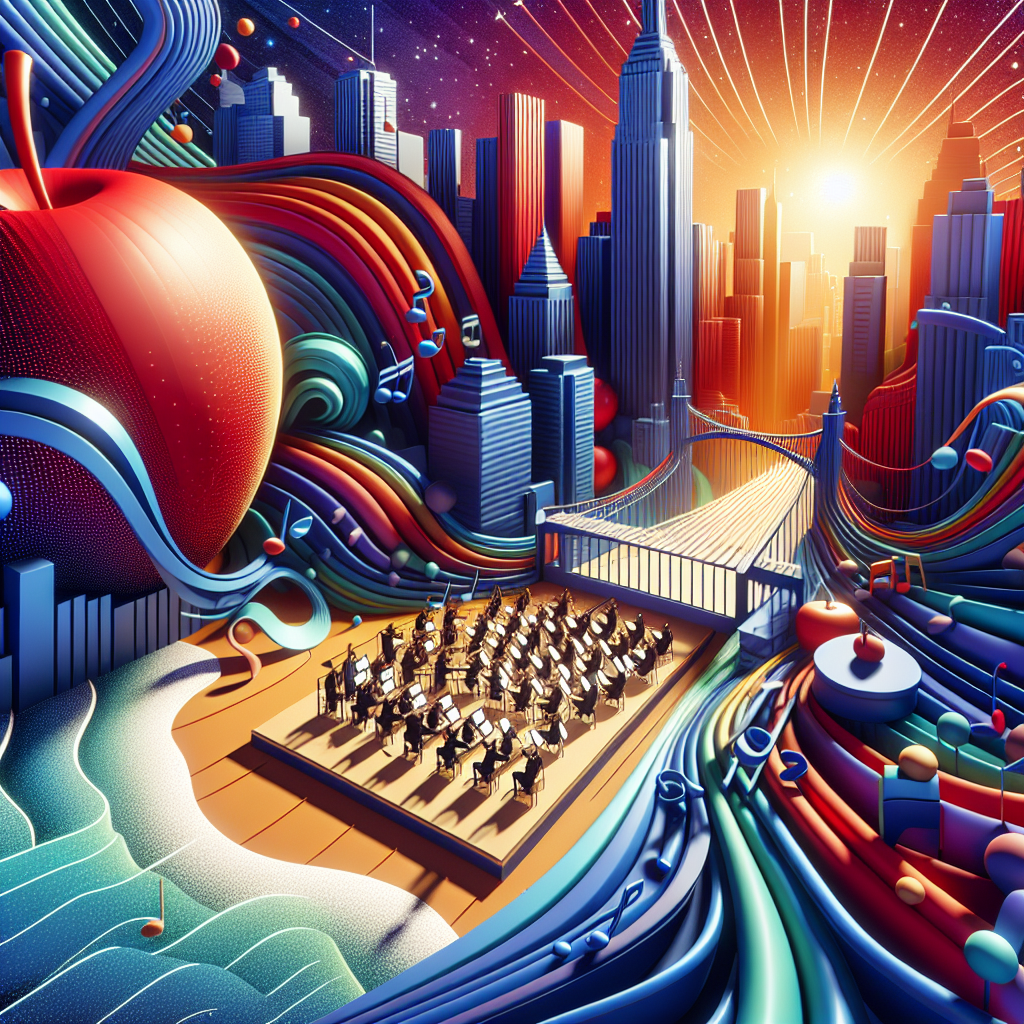

The New York Philharmonic: A Symphony of History and Harmony
Imagine a world where music transcends time, where the echoes of Beethoven and Mahler reverberate through the bustling streets of New York City. This is the world of the New York Philharmonic, one of the oldest and most prestigious symphony orchestras in the United States. Founded in 1842, the Philharmonic has been a cornerstone of cultural life in New York, performing at the Lincoln Center for the Performing Arts since 1962. The orchestra has been a beacon of musical excellence, drawing audiences from around the globe to experience its rich and diverse repertoire.
The New York Philharmonic is not just an orchestra; it is a living testament to the power of music to unite and inspire. Over the years, it has been led by some of the most renowned conductors in the world, including Leonard Bernstein, who brought a unique energy and vision to the ensemble. The Philharmonic has also been a platform for some of the greatest soloists and composers, showcasing their talents and introducing new works to the world.
However, the Philharmonic's journey has not been without its challenges. Like many cultural institutions, it has faced financial difficulties, especially during economic downturns. The COVID-19 pandemic was a particularly tough period, forcing the orchestra to cancel performances and find new ways to connect with audiences. Despite these challenges, the Philharmonic has shown resilience, adapting to the changing times by embracing digital platforms and virtual performances.
The orchestra's commitment to education and community engagement is another aspect that sets it apart. Through programs like the Young People's Concerts and partnerships with local schools, the Philharmonic has worked tirelessly to make classical music accessible to all. These initiatives are crucial in nurturing the next generation of musicians and music lovers, ensuring that the legacy of the Philharmonic continues to thrive.
While the New York Philharmonic is a symbol of tradition, it is also a champion of innovation. The orchestra has been at the forefront of commissioning new works and exploring diverse musical genres. This willingness to evolve and experiment has kept the Philharmonic relevant in a rapidly changing world, appealing to both classical purists and new audiences alike.
Critics of the Philharmonic often argue that classical music is elitist and out of touch with contemporary society. They point to the high ticket prices and the perception that the orchestra caters to an older, wealthier demographic. However, the Philharmonic has made efforts to address these concerns by offering discounted tickets and expanding its outreach programs. The orchestra's leadership understands the importance of inclusivity and is actively working to break down barriers and make classical music more accessible.
The New York Philharmonic's story is one of perseverance, passion, and progress. It is a reminder of the enduring power of music to bring people together, to heal, and to inspire. As the orchestra continues to evolve, it remains a vital part of New York City's cultural landscape, a testament to the city's rich artistic heritage and its vibrant future. Whether you're a lifelong fan or a newcomer to classical music, the New York Philharmonic offers an experience that is both timeless and transformative.