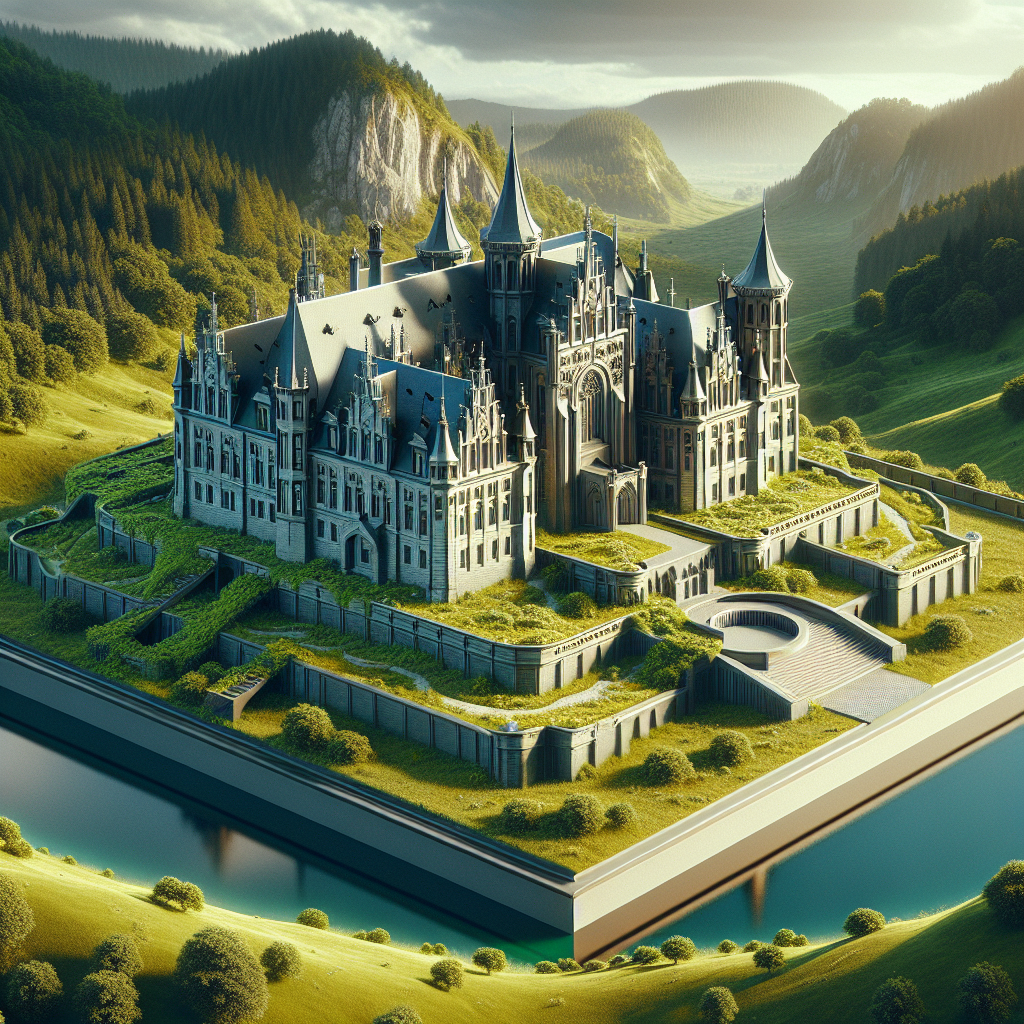

Few places capture the imagination quite like an abandoned castle resting atop a Swiss hill. Neu-Thierstein Castle, located near the sleepy yet charming town of Büsserach in Switzerland, offers a peek into Europe’s medieval past. Built in the 13th century, this castle, with its commanding towers and quaint stone walls, has intrigued historians and tourists alike. Once a fortress of the influential Thierstein Counts, its history intertwines with the power struggles and political dynamics of the region during the Middle Ages. Exploring who erected this architectural wonder, what remains today, and why it was ever abandoned tells a fascinating tale shaped by centuries.
Perched strategically on a rocky promontory, Neu-Thierstein Castle was built as part of a chain of fortifications. As you gaze across the terrain, it's easy to see why this location was selected. It offered commanding views of the surrounding landscape, essential for anticipation of both friends and foes. The grounds that currently seem tranquil held the hopes and fears of medieval society, and today, they are open for those who fancy an adventure through time.
Many cast such relics of history as mere stones and shadows of the past, yet they embody significant cultural dialogues and human stories. Preservation of these structures, like Neu-Thierstein, is crucial for cultural heritage and educational purposes. Although there are voices that argue the strain of maintaining such sites, balancing these needs with resources showcases an ongoing debate: the cost versus the immeasurable value of history.
The physical journey to Neu-Thierstein may be laborious, but it’s worth the effort. A winding path leads you among forest shadows, and as the trees clear, the castle suddenly appears—a stark silhouette against the horizon. Its ruins allow for a unique exploration where your mind can run wild imagining tales of knights, feasts, and courtly influences. Admittedly, for the modern wanderer, the absence of detailed guided tours is both a limitation and a freedom to let imaginations dance amidst moss-covered stones.
The structure itself, although partially collapsed, remains grand in its silence. Each archway and standing wall whispers stories from ages gone by—a riddle in stone awaiting interpretation. For those who embrace the lore and mystery surrounding such places, Neu-Thierstein is a puzzling delight. It's a fragment of civilization, overtaken by nature's persistent fingers yet refusing to be forgotten.
Amidst its past lies a narrative anchored in socio-political intrigue. The castle was a symbol of feudal power, an era when land equated to power and castles were not merely homes but fortified seats of governance. Shifts in the control of the castle mirror broader historical shifts such as the rise and fall of noble families and territorial conflicts that shaped medieval Europe. It serves as a reminder that political power is as transient as the stone structures that represented it.
For those motivated by a sense of wonder and respect for history, Neu-Thierstein is a captivating site. Where others see decay, some see the enduring craftsmanship of stonemasons long past. While not as grand as some European castles that have weathered the centuries with grace, its ruin has its own beauty. Its function and disrepair help tell the broader European story of change—a narrative of both tragic fades and glorious rises.
It’s worth acknowledging that not everyone feels a historic monument like Neu-Thierstein Castle should remain a preserved entity. Some argue such sites consume limited funds that could otherwise assist more immediate causes. However, it’s also important to consider the role sites like these play in cultural and educational tourism which can bolster local economies and foster wider appreciation.
Thinking about the future of such castles invites reflection on how modern society values history. What place should these remnants of our ancestors have amid our modern world, one so often consumed with moving forward at rapid paces? Encounters with places like Neu-Thierstein inspire questions about the footprint we want to leave behind and the stories worth carrying forward.
Neu-Thierstein Castle stands as a testament to both past human endeavors and nature’s reclaiming progression. It’s a symbol of how quickly and thoroughly one can become the other, fostering dialogue about land use, conservation, and historical preservation. For Gen Z, known for their advocacy and activism, this castle may be more a call to action than a distant days-of-old curiosity. Embracing our heritage equips us to better shape our future.