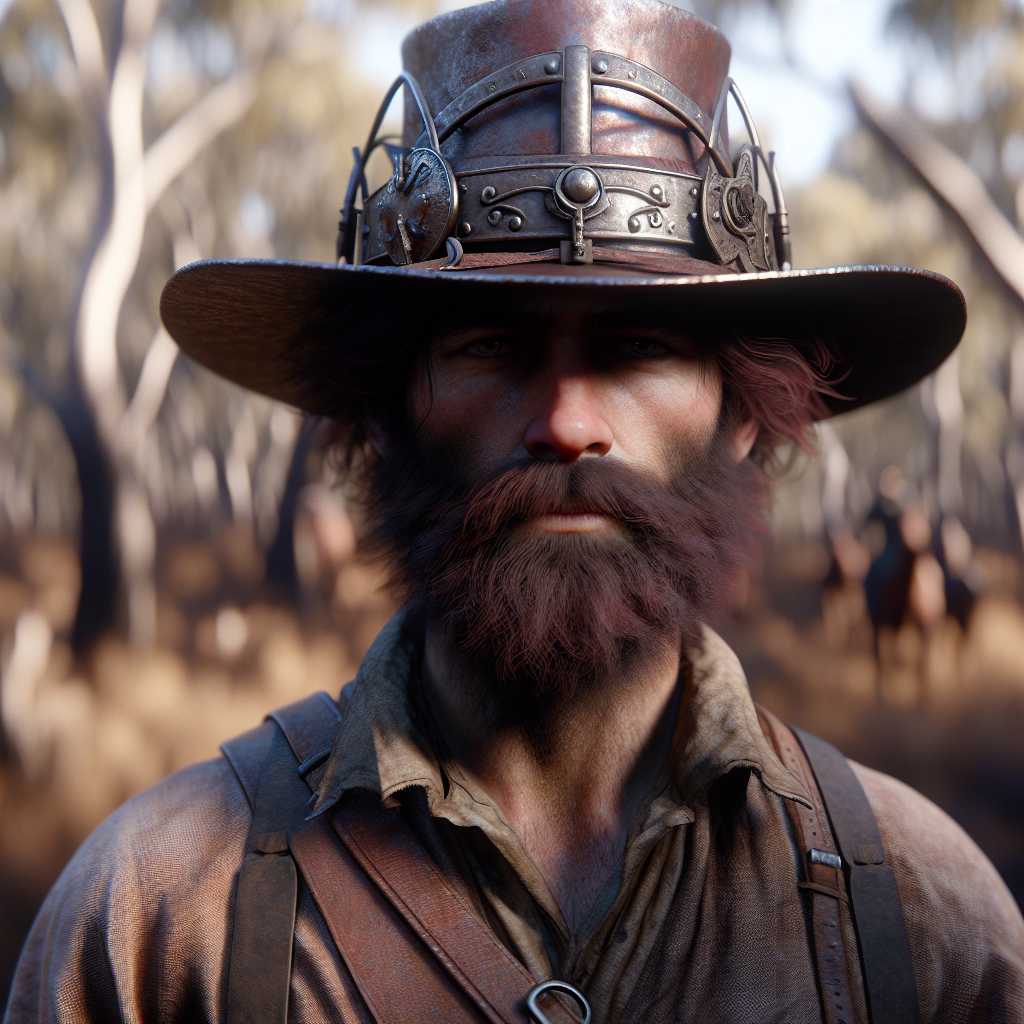

Ned Kelly rode into the annals of Australian folklore as both a rebellious icon and a notorious outlaw. Born in December 1854 in Victoria, Australia, Edward 'Ned' Kelly seemed destined for the rough edges of society. With a backdrop of poverty and social hierarchy, where the powerful squashed the weak, Kelly's early life became a mirror reflecting the turbulent relationship between the colonists and the descendants of transported convicts. Fast forward to the late 19th century: Australia was a place ripe with adversity and the perfect stage for a compelling drama of crime, rebellion, and an ultimately tragic end.
In a way, Kelly’s story could be seen as a classic underdog's tale. His family was poor, his father a former Irish convict shipped to Australian soil. The environment was one of harsh scrutiny, especially for Irish immigrants who struggled under the weight of a system designed to disadvantage them. Kelly’s life, marred early on with entanglements with the law, was a consequence of these social inequalities. Consistently finding himself at odds with the police, it wasn't long before Kelly was a familiar face in prison, introducing him to a cycle of retribution and resistance.
The Kelly Gang saga took on a life of its own, a powerful narrative filled with gunfights, daring escapades, and an iron suit of armor that would become emblematic of defiance. In 1878, after a series of circumstances involving a warrant for his arrest and allegations against his family, Kelly assaulted a police officer, resulting in heightened tensions. The infamous “Fitzpatrick Incident” led to Kelly and his gang being declared outlaws. This cat and mouse chase would grip the public imagination. Kelly's charisma, exacerbated by a letter he wrote, the “Jerilderie Letter,” declared his stance against the ruling class and made him a folk hero to many.
Yet, opinions on Ned Kelly are sharply divided. Was he a champion of the oppressed, or merely a criminal taking advantage of anarchic opportunities? On one hand, you see a figure battling against a systematic prejudice, an embodiment of the anger of the underprivileged class. His story resonates with those fighting against oppression. On the other hand, critics argue that his actions—robbery, murder, and attacks on the authorities—paint him more as a lawless criminal than a Robin Hood figure.
Whatever side of the spectrum you stand on, Kelly’s impact on Australian culture is undeniable. His story became an unfinished poem, echoing power inequality and societal struggles. Even today, discussions about his life provoke thoughts about justice, fairness, and the price of rebellion. His narrative forces a dialogue about authority's role and the lengths individuals might go to, seeking respect and recognition.
Ned Kelly’s end marked the conclusion of a thrilling, albeit ruthless chapter. In 1880, arrest following the notorious Glenrowan siege led to his execution. But his myth lived on, immortalized in films, books, and even songs. His homemade armor, now a relic, symbolizes both the absurdity and the audacity of his mission.
For Generation Z, growing up in an era where voices demanding equality are resonating louder than before, Kelly's story offers a complex framework for examining resistance. It isn't just about the divides of history but about reflecting on who stands at the forefront of modern revolutions and why. Examining Kelly's life isn’t about glorifying the illegal acts but rather understanding that rebellion often springs from a place of deep societal failure. It compels us to explore ways to bridge divides with dialogue, reform, and community action, learning from the past to better our future.