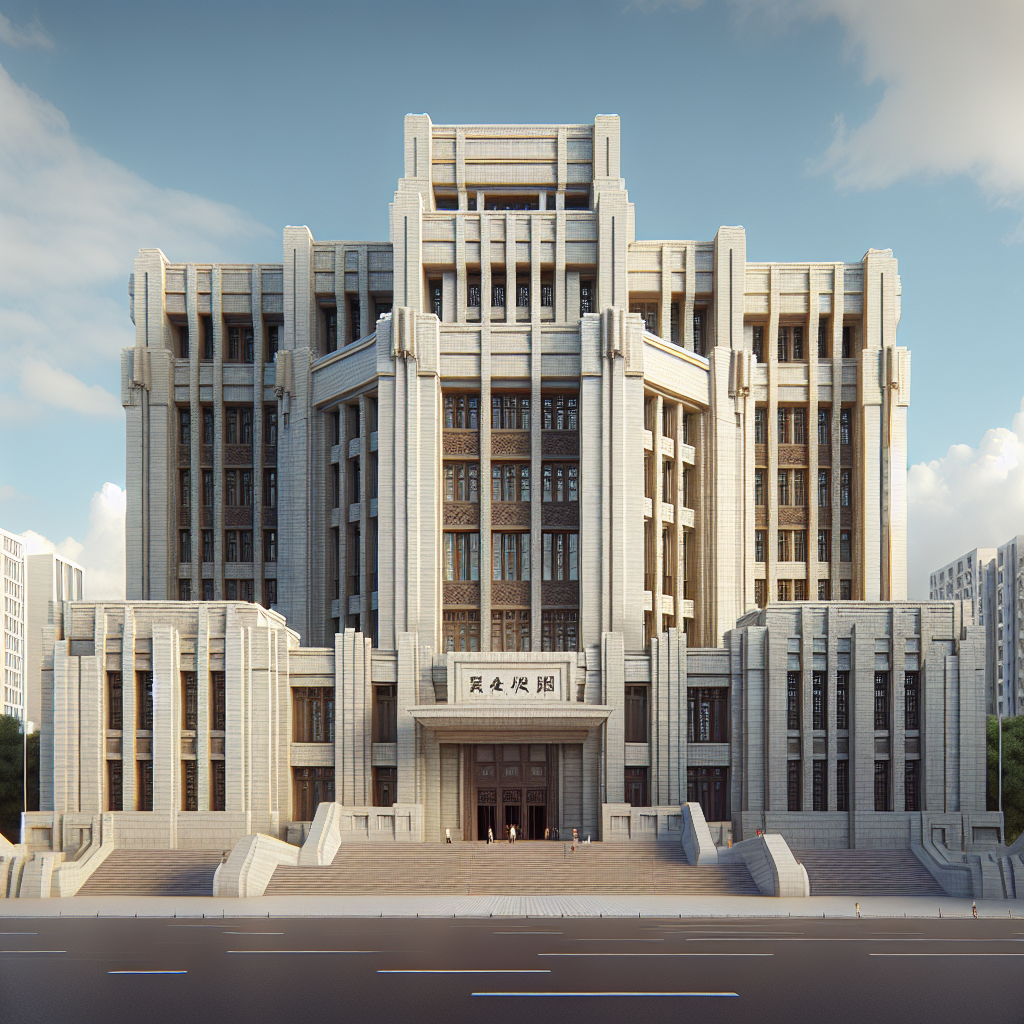

Walking through the doors of the Museum of the War of Chinese People's Resistance Against Japanese Aggression is like stepping into a time machine calibrated for the 20th century. Situated in Beijing, this museum acts as a gateway exploring the steadfast resilience of the Chinese people during the Second Sino-Japanese War, which raged from 1937 to 1945. This conflict is part of the broader theatre of World War II in Asia, marking a tumultuous period that saw the enduring spirit of China as it persevered under Japanese aggression. The museum not only commemorates the sacrifices made during the war but also reminds current generations of the profound impacts of war.
Let’s take a stroll through its spacious halls filled with photographs, artifacts, and shadowed echoes of cries from days long past. The exhibits are hauntingly beautiful, methodically unraveling the narrative of resistance, loss, and ultimate victory. The reality of what transpired is vivid within this space, pulling visitors into an intricate story of pain, strength, and national identity.
One may marvel at the creativity and resourcefulness reflected in the displays. By chronicling events using various mediums like weaponry, documents, and even oral histories, the museum paints a broad yet poignant picture. There are detailed accounts of crucial battles illustrated with maps and photographs that help us imagine the intensity of those lost moments.
Diving into the opposition’s perspective often provides a dual awareness of the era. Consider the Japanese soldiers, many of whom were caught within the thrall of a militaristic society dictating their every move. The museum offers some insight through stories of individuals who opposed the war or later regretted their actions, bringing a more human aspect to the historical conflict. These are not just historical relics; they are moral complexities and lessons embedded in time.
The design of the museum itself guides visitors through in chronological order, allowing for a seamless exploration of the history. Each artifact reflects not just the events of the time, but also the enduring human spirit under oppressive circumstances. This emphasis resonates with younger audiences, like Gen Z, keen on understanding how history shapes modern society.
Examining why such museums matter, particularly for the younger generation, hinges on their role as educators and truth seekers. These spaces challenge visitors to reflect on the past but encourage dialogues for a more understanding future. A liberal standpoint reinforces the focus on peace, dialogue, and the horrors of war seen through various exhibit narratives.
Yet, it’s vital to welcome a dialogue from all angles. While it remains important to acknowledge the Chinese resilience, the Japanese perspective—or their eventual acceptance of responsibility—cannot be ignored. It's a reminder that history is rarely one-sided and that knowledge of all narratives influence our perceptions today. In doing this, viewers leave not just with knowledge but also with empathy and understanding.
This museum is more than a repository of memories, it’s also an emblem of the human capability for change and reconciliation. In today’s world, where shadows of uncertainty frequently hover, these historical insights inspire people to foster compassion, advocate for peace, and work for a better world.
In pondering the future of such cultural institutions, their significance lies not only in preserving artifacts but in fostering an ongoing conversation between history and current social justice issues. They offer youth a tangible connection to the past, encouraging them to architect a more conscientious and informed future.
Therefore, if you ever get the chance to visit the Museum of the War of Chinese People's Resistance Against Japanese Aggression, seize the opportunity. It's more than just a collection of artifacts or faded photographs; it's a lens into humanity's complexity, the pursuit of peace, and the ultimate triumph of justice over adversity.