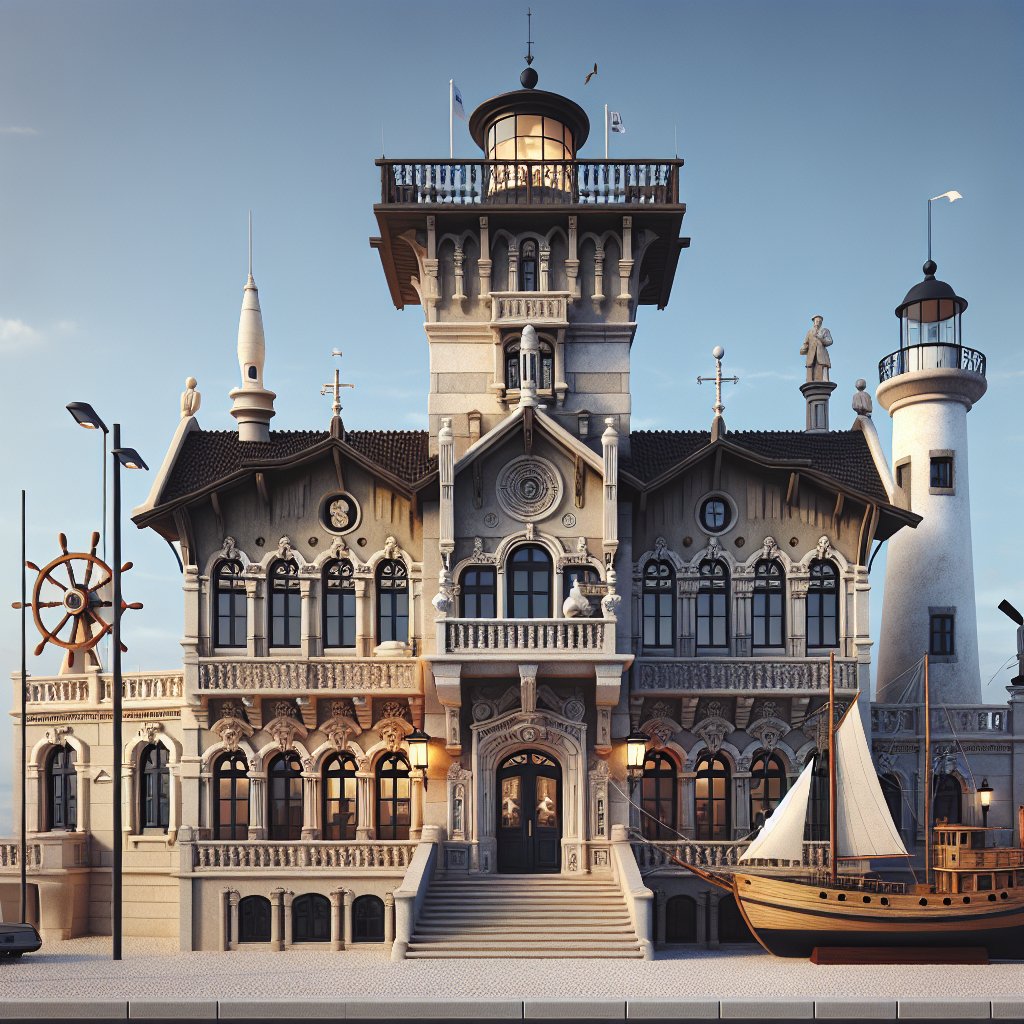

Imagine walking into a place where the whispers of the ocean and the tales of seafarers are encased within whitewashed walls. The Museum of the Sea, nestled in the picturesque town of Cascais, Portugal, is just that—a portal back to times when the sea was the lifeline and lifeblood for this coastal community. It's a place where history, culture, and nature come together in an enticing mix of sound, sight, and curiosity. Open to the public since the early 1980s, the museum became part of Cascais, a place known for its stunning coastline and vibrant community life, reflecting both the town's past ties to the sea and its modern significance.
The museum's collection captivates with its vast array of maritime treasures, inviting visitors to understand the intimate relationship the local community has had with the ocean. It isn't just about dusty old relics; it's about connecting us to the lives lived on the waves, fostering a deeper appreciation of our historical and current bond with the seas. Fishermen's tools, intricate ship models, and mesmerizing marine fossils are just the beginning. Walking through the exhibits, you're surrounded by narratives of survival, commerce, and human endeavor that have shaped the culture and economic foundation of this area over centuries.
For a Gen Z visitor, why should this museum be on your radar? Beyond being simply a collection of historical artifacts, the Museum of the Sea offers a real-life narrative that parallels today's environmental and social concerns. The sea is at the heart of climate discussions—it's mysterious, vast, and at risk. By understanding our historical interactions with it, there's potential for recognizing its pivotal role in our future.
One of the standout exhibits is dedicated to the Portuguese cod-fishing industry. It's a complex tale of endurance and adaptation. As you explore, think about the skills and the impact of these historical activities not just on the environment but on the cultural fabric and economic survival of whole communities. The museum encourages visitors to reflect on past industrial practices and push for a sustainable approach to modern challenges.
The ecological angle of the museum is equally fascinating. Cascais has always maintained a connection with its natural environment, and in doing so, it sets an example for how towns can thrive alongside the ecosystems they depend on. In a world where environmental activism is not just preferable but necessary, understanding how past generations navigated changes in their environment is inspiring. It sets the stage for innovative thinking on mitigation and adaptation strategies today.
Among the artifacts, the geological samples stand out. They tell more than just the age of the Earth; they echo changes, highlighting shifts in climate and sea levels long before factory smokes mingled with the clouds. It’s a serene reminder of Earth’s enduring cycles, yet a sobering nudge on what accelerated changes mean.
Some critics might argue that places like the Museum of the Sea romanticize maritime history, glossing over harsh realities like colonial exploits and overfishing. This perspective is important as it reminds us to question the narratives we encounter. Museums might paint idealistic pictures sometimes, yet they serve as platforms for highlighting and discussing complexities within historical contexts. These discussions are necessary, they provoke thought and drive connection amid diversities—essentially part of the learning process that museums aim to foster.
Engaging with the past at such institutions also means confronting unsettling truths. This means acknowledging the less than ideal parts of history where exploitation was rampant and driven by systemic inequalities. If museums can serve as sites for critical reflection, they also pave the way for inclusive narratives that embrace diversity and promote accountability.
Alongside exploring the silent artifacts, the museum experience extends to sounds—the recorded narratives of local seafarers that fill the designated audio booths scattered across the floors. These personal stories, voices from the past echoing through modern technology, create that immersive experience that transcends generational boundaries.
To visit the Museum of the Sea is to enter a dialogue, one that stretches from the traditional into the modern-day concerns. It's a place where every shell, fishbone, and sail carries with it not just stories of trade and survival but whispers of deeper ethical imperatives that remain relevant today.
As Gen Z steps into a world with massive challenges, connecting with history and understanding multifaceted relationships with the environment becomes not just interesting—it’s crucial. Places like the Museum of the Sea allow us to inherit a consciousness about the sea, reflecting on humanity's intertwined history with it as we stride towards a more sustainable horizon.