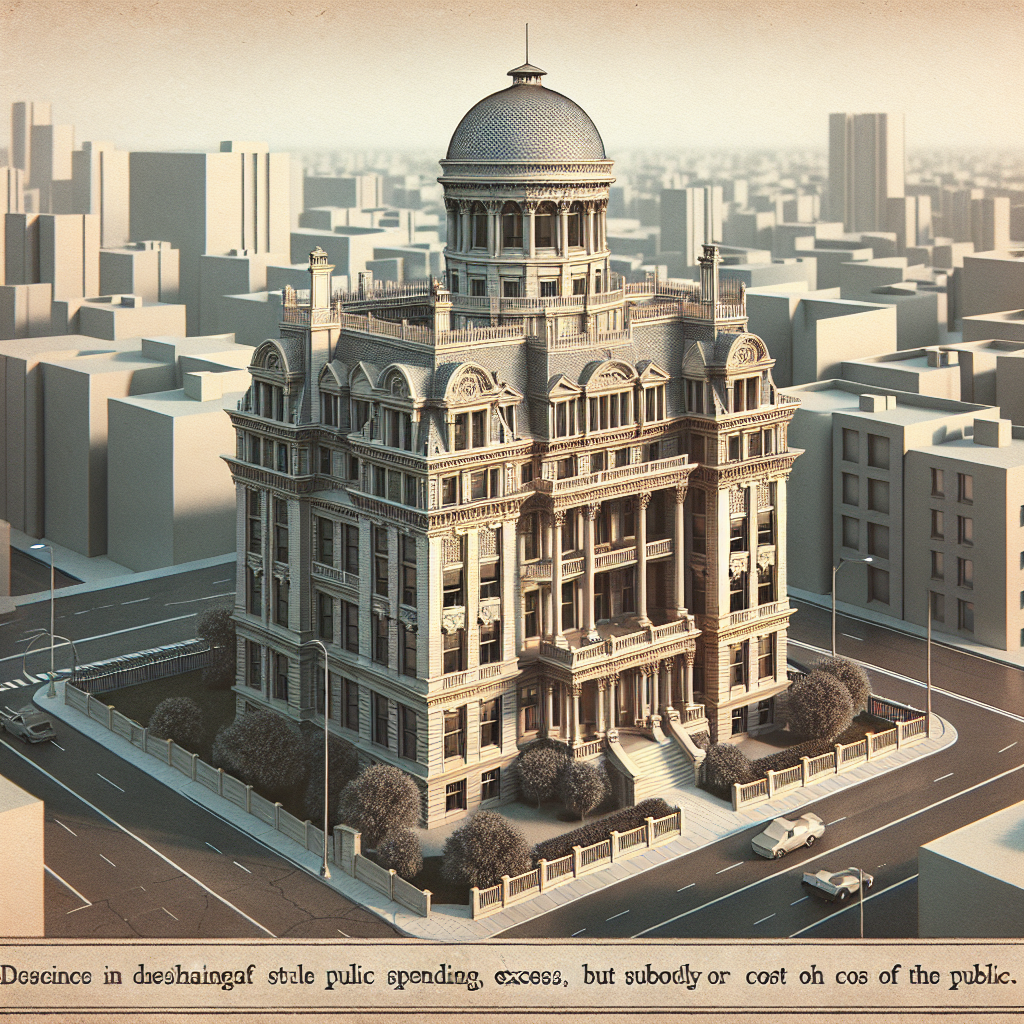

Nestled in the heart of Prague, the Municipal House is more than just a building — it's a symphony of history and art, echoing tales from the early 20th century. A masterpiece of Art Nouveau architecture, this grand edifice sprang to life in 1912, designed by many talented artists and architects, including Osvald Polívka and Antonín Balšánek. It stands on the site of a former royal court, symbolizing a profound shift in Prague, both politically and culturally, resonating the spirit of a blossoming independent state.
But why does such a seemingly ordinary municipal building hold so much significance? The answer lies partly in its role during one of the most important events in Czech history: the proclamation of Czechoslovak independence in 1918. Imagine the vibrancy of those times, the air pulsing with anticipation as the symbolic heartbeat of a new nation began here. This historic proclamation marked the beginning of an era, with Prague as the capital, promising a future charted by democracy and self-governance.
Stepping inside, visitors are immediately immersed in a world where architecture and politics beautifully intertwine. From elaborately decorated halls where marble and gold leaf compete for attention, to spaces like the Smetana Hall renowned for its concerts, the Municipal House is a cultural beacon. The building itself is practically a living gallery, showcasing intricate mosaics, elaborate stained glass windows, and detailed sculptures. No corner is left unembellished, and its vibrant interiors offer a lavish feast for the eyes.
What truly makes the Municipal House fascinating is how it has continually adapted. While it began as a space for exhibitions and public meetings, it also became a popular cultural center. Over the decades, it transformed alongside Prague itself, from a city under numerous foreign dominations to an independent metropolis flourishing with creative fervor. It’s not just about the physical place but also about ideas — jostling, colliding, yet harmonizing in their diversity. It stands firm as a symbol of Prague’s enduring defiance and resilience.
The attention to detail in its design reflects the aspirations of the early 20th century Prague society, eager to break free from old constraints and embrace modernity. This ambition is seen in the lush interiors designed by leading Czech artists of that time, like Alphonse Mucha. Such unique interiors challenge the simplicity often desired by modern minimalism, inviting a debate between ornate splendor and subdued elegance.
In exploring the aesthetic allure of the Municipal House, there’s also room to ponder the political shifts it witnessed. From hosting political gatherings to serving as a backdrop for pivotal historical events, the House has been a silent observer to both progress and turmoil. Its very existence raises intriguing questions about the symbiotic relationship between spaces of power and cultural identity.
Critics might argue that investing in maintaining such grand structures is a relic of past governing elitism, prioritizing the wealthy cultural elite over pressing contemporary socio-economic issues. They see it as a vestige best left to bygone eras. Yet, the sense of continuity that Municipal House brings holds its own significance. It provides a tangible connection to the past, reminding us of the choices made and paths taken.
These opposing views fuel an ongoing debate about the role of historical architecture in a rapidly changing world. There’s a delicate balance between preserving our heritage and addressing current needs. In cases like these, the richness of history provides perspective and serves as an anchor while we navigate the complexities of modern life.
To call the Municipal House merely an architectural marvel would be an understatement. Beyond its aesthetic grandeur, it embodies the rich cultural tapestry and political evolution of a city eager to chart its own course. As Prague continues to change, the Municipal House stands as a reminder of the city’s vibrant past and resilient spirit.
This isn’t just about appreciating a historic building; it’s about embracing a resilient identity. And that holds tremendous importance, especially for a generation eager to understand the past’s role in shaping not just our surroundings but also our ideas of self and society.