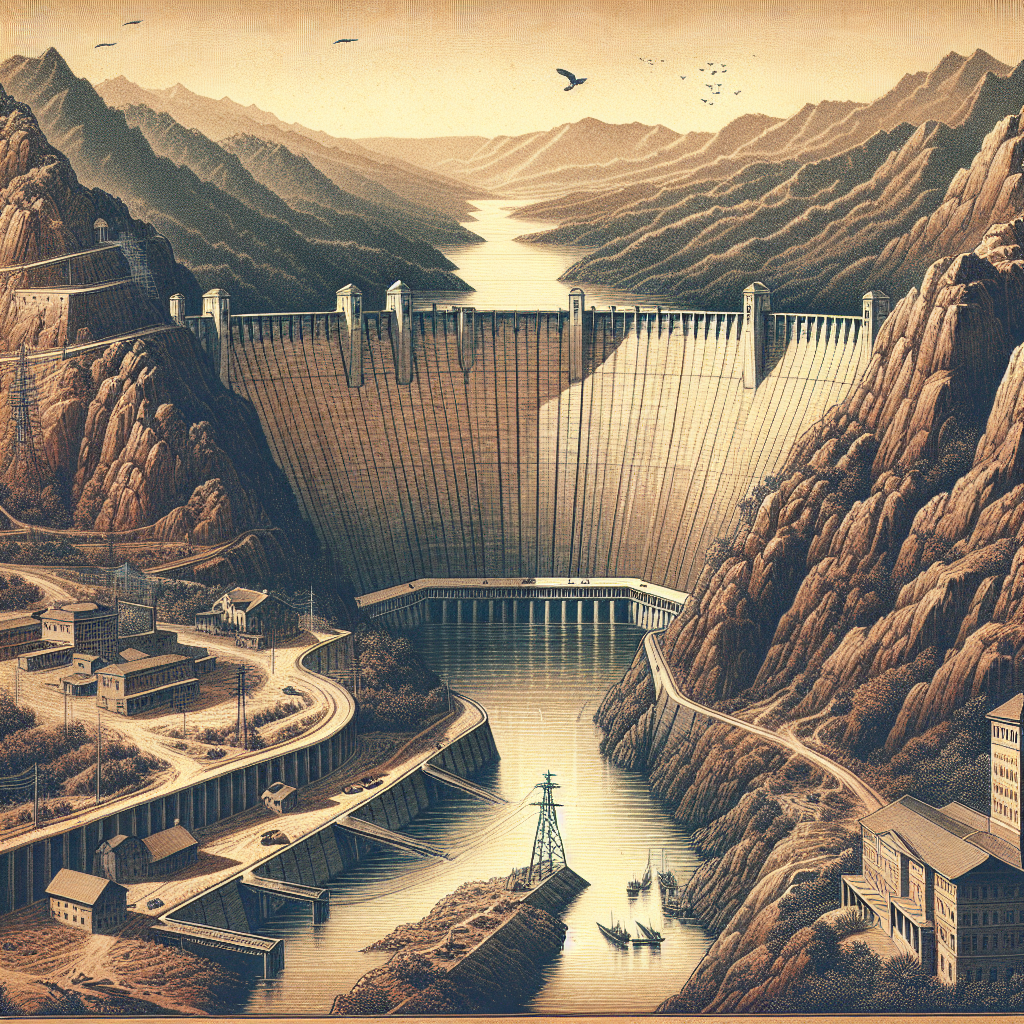

Tucked away in the picturesque landscapes of Livingston County, New York, lies a formidable feat of engineering known as the Mount Morris Dam. Constructed between 1948 and 1952, this enormous concrete structure stands as an imposing guardian over the Genesee River, a bastion against the threat of devastating floods for Rochester and its surrounding areas. What was once a dream turned into reality under the watchful eye of the U.S. Army Corps of Engineers, proving that infrastructure could bend the forces of nature towards the safety and benefits of humanity.
The Mount Morris Dam wasn't just a random project that sprung out of nowhere. It emerged from a dire necessity. The Genesee River, known for its beautiful valleys and unpredictable temperament, had a history marred with destructive floods, particularly devastating instances occurring in the early 1900s. These recurring floods wreaked havoc on property and agriculture, posing a constant threat to human life and the economic stability of the region. Imagine the plight of local communities, tirelessly cleaning up after nature's fury, their lives disrupted like clockwork by yet another downpour. It became clear that something had to be done.
With innovation on their side, the creators of the dam aimed not only to control flooding but also to contribute to the area's ecosystem preservation by regulating water levels and reducing erosion. In its essence, the dam symbolizes a harmonious relationship between technological advancements and environmental stewardship—a relationship that politicians, more often than not, find themselves debating. The dam does more than just hold back water; it tells a story of resilience, innovation, and the quest for coexistence with nature.
The political backdrop of its construction during the late 1940s and early 1950s was intricate. Post-World War II America was an arena of rapid technological progress, and infrastructure projects like the Mount Morris Dam were integral to showcasing new advancements and capabilities. For aspiring politicians, it was an age of promise, where advocating for roads and dams meant pushing America forward and providing jobs, boosting both morale and the economy.
But as with every large infrastructure project, not everyone viewed the dam through rose-tinted glasses. There were voices of dissent even during its planning, with valid concerns about the environmental implications of such an enormous concrete barrier. Critics pointed out the displacement of homes and the transformation of landscapes that had been a part of local lives and histories. Some wondered if there might be a more sustainable, less intrusive solution to the flood problem. These voices still echo today whenever we discuss new human interventions in our natural world.
Fast forward to the present day, and you'll find that the Mount Morris Dam has become more than just a measure of flood prevention. It's a historic site that draws tourists, students, and curious minds eager to explore its architecture and significance. With a visitor center offering tours and educational programs, the dam stands as a testament to human ingenuity, while also fostering dialogues on how best to interact with our environment.
For Generation Z, growing up amid intense discussions on climate change and sustainability, the dam offers a case study in balancing development with conservation. It's a reminder that while our grandparents and great-grandparents did strive for progress, they also faced with foresight a host of challenges we either inherited or learned from. The dam speaks to possibilities—how something that once merely blocked water can also serve as a blueprint for seeking equilibrium with our planet today.
It's inspiring to think about how decisions made decades ago resonate with the present and the choices our generation must make. Discussions about the past might sometimes project a black-and-white view, but the Mount Morris Dam is a considerable shade of grey, illustrating that progress and preservation can, and should, co-exist.
In a world where climate action is vitally important, examining how past projects like this can inform future infrastructure development is pivotal. Such landmarks serve as physical reminders of human capability and the responsibilities that come with it. We don't just build for today—we build for tomorrow. What's crucial is that we learn from history while writing our own chapters with both dreams and realities in mind. The Mount Morris Dam stands firm as a guardian over its waters, but more importantly, it serves as a symbol of the innovative spirit to nurture our ties to this precious planet.