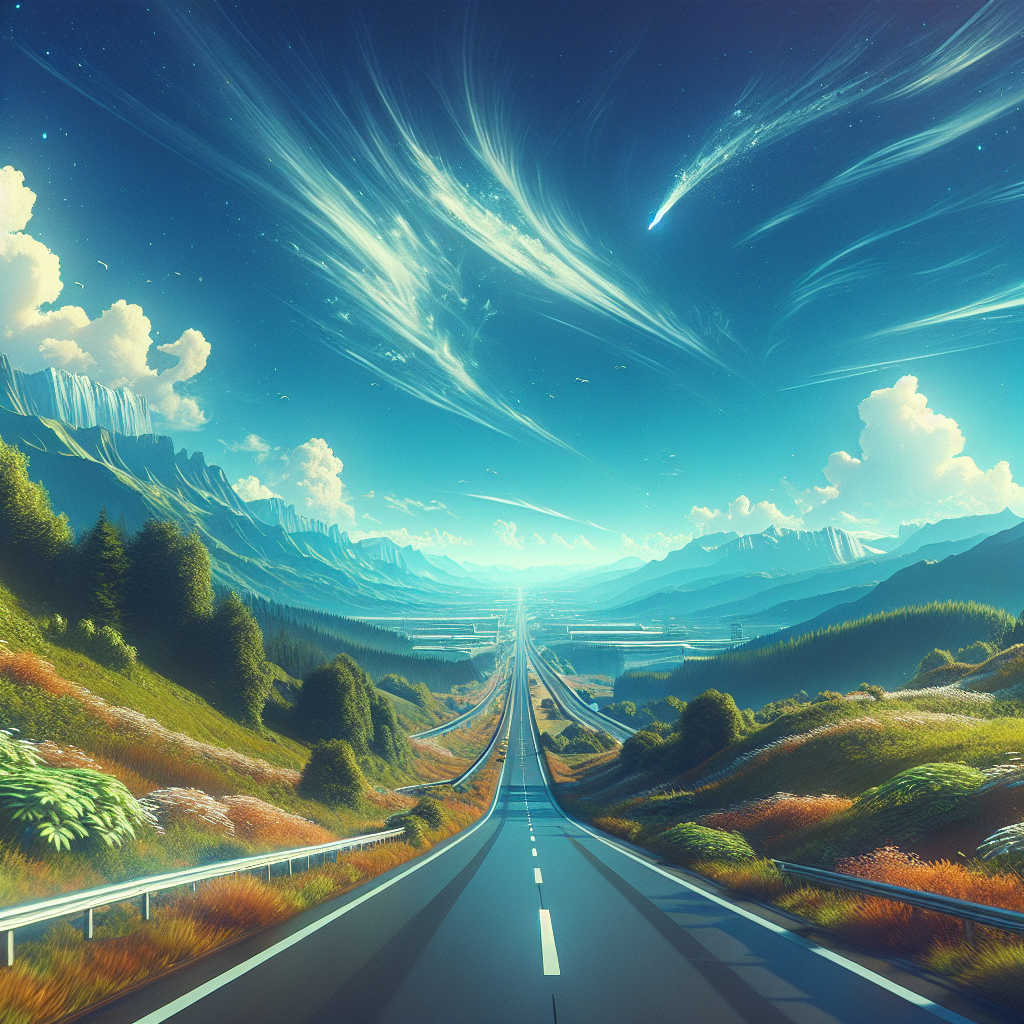

Montana Highway 200 isn't just your conventional stretch of road—it's more like a 706-mile ramble through the heart of America's wild frontier. Running from Idaho's border to North Dakota, this highway was completed in 1931 to connect the isolated communities scattered across Montana's vast plains and rugged landscapes. Known for its minimal traffic and awe-inspiring views, it carves its way through the northern part of the state, offering a fascinating glimpse into both the untouched beauty and the socioeconomic realities of rural America.
Riding along Montana Highway 200 is like taking a journey back in time. Towering mountains, dense forests, and wide-open skies dominate the scenery, making it easy to lose oneself in daydreams. But beneath these breathtaking vistas lies a way of life that remains grounded in tradition yet caught in the tides of change. Rural communities that sprung up during America's western expansion continue to rely on industries like agriculture, lumber, and mining. These sectors provide some stability, but just like on this open road, there are stretches of uncertainty ahead.
The history of these communities isn't just about their struggles; it's also a testament to resilience and sticking it out through both good times and bad. The residents along this highway have undeniably strong bonds with their deep-rooted conservative values and an unwavering spirit of self-reliance. There's a sense of irony here; while we debate policies and ideologies in urban centers, these towns exist at the heart of it all, facing the outcomes firsthand.
On Montana Highway 200, liberal and conservative mindsets interestingly intermingle. Often described as politically red, these areas, nonetheless, are places where the effects of climate change, healthcare deficits, and education funding cuts are frankly felt by all. The silent harmony between left-leaning ideas and conservative practices finds its voice when everyone at least agrees on the necessity of sustainability and accessible healthcare.
Consider the impacts of climate change. In this untamed wilderness, the signs are subtle yet unmistakable. Rivers and streams might run thinner in the summer months while wildlife patterns are slightly skewed—a wake-up call many might not perceive until it's too late. Even here, where oil and fossil fuels have been economic pillars, there’s an increasing realization about the need for renewable energy. Solar panels share fields with rows of crops, showing that old traditions sometimes need new solutions.
Healthcare poses another challenge. Limited facilities mean access to medical care isn't guaranteed nor is comprehensive coverage a given. Choices often mimic triage out of necessity—everyone gets what they need, but sometimes that’s about all there is. Montana Highway 200 residents know too well the difference between policy on paper and the practical implications of healthcare access or lack thereof.
Education is another battleground. Schools along the highway are central to community life but often face funding shortages, making it difficult to afford modern facilities or competitive teacher salaries. Again, it isn't just about red or blue here, but ensuring equal opportunities for kids growing up in these rural locales. Witnessing such challenges brings to light the value of advocating for policies that are capable of bridging these gaps—from expanding broadband internet to attract remote workers to initiatives helping local businesses thrive.
Taking the wheel on Highway 200 is also an invitation to reconsider the relationship between people and nature. Driving past the Missouri River or through Glacier National Park, there’s an undeniable connection to be felt. The simplicity of life here along with its challenges paints a compelling picture of a type of freedom that might escape those from bustling cities.
For Millennials and Gen Z travelers, Montana Highway 200 serves as a living, breathing reminder of what’s at stake when polarization dominates our society. Technology and social media might make the world seem more connected than ever, yet these landscapes sharply highlight where infrastructure connections fall short. Digital nomads and sustainability-focused individuals likely view this highway as a microcosm for American potential.
Could these untouched areas, these communities entrapped by their solitude, serve as proving grounds for sustainable evolution in practice? The potential to harness wind farms, solar energy, and tech-enabled agriculture isn't an enticing future problem; it's today's challenge. Highway 200's diverse ecosystems emphasize the need for environmental stewardship as an act of humility and respect.
Cruising along this spectacular land reveals how diverging attitudes intersect and coexist. Whether you identify as liberal, conservative, or somewhere in between, Montana Highway 200 offers more than just miles of open road. It provides a compelling invitation to witness resilience, confront our cultural contradictions, and search for our shared humanity in the vast American landscape.