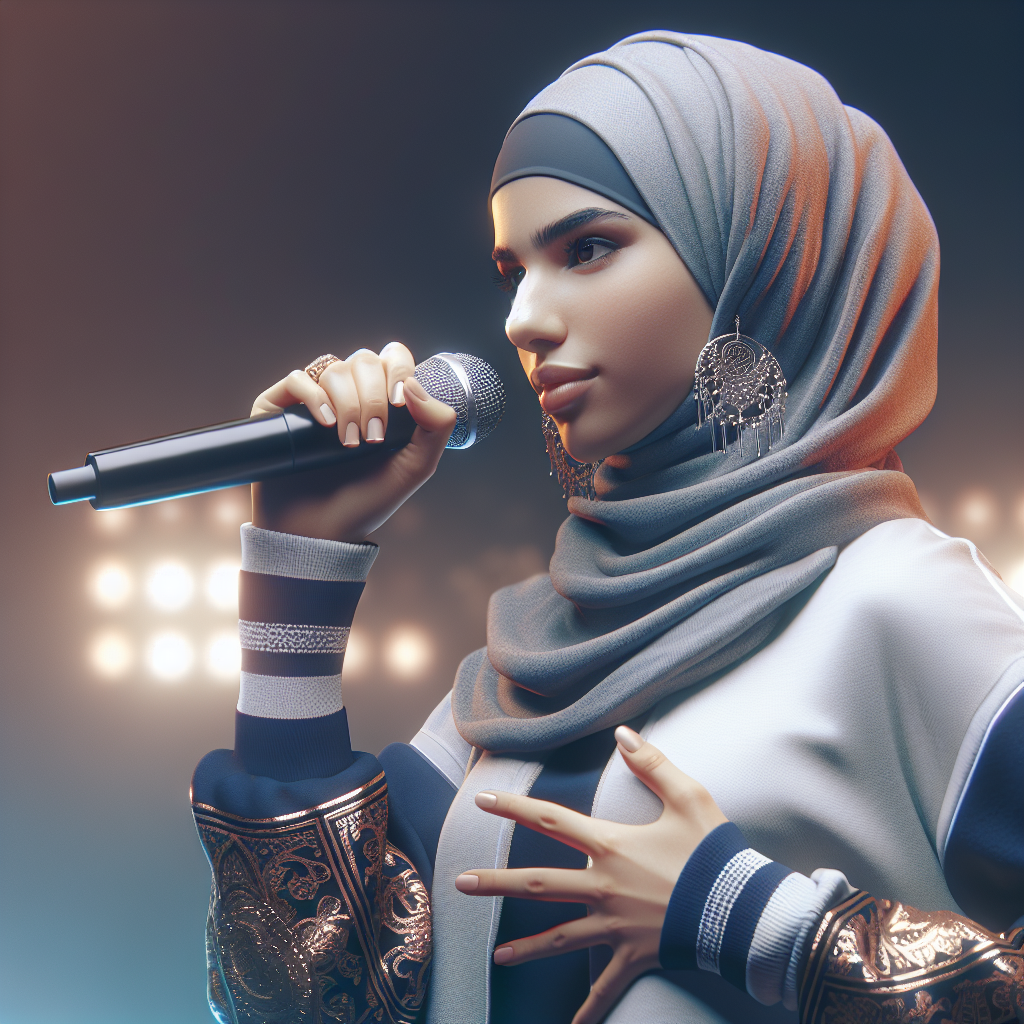

Picture this: a poet, a rapper, a mother, and an activist all rolled into one. That's Mona Haydar, breaking stereotypes since her breakout single, "Hijabi (Wrap My Hijab)," hit the charts in 2017. Born in Flint, Michigan, and now a prominent voice globally, Mona has used her art to address topics like Islamophobia, race, and gender issues, showing the powerful impact art can have in setting the world straight.
Her journey is as compelling as her work. Mona's parents emigrated from Syria, and she grew up in a household that valued both their Syrian heritage and their identity as Americans. This dual identity resonates in her music, which often tackles the struggles of belonging and finding space in a world that loves to categorize people. This complexity is spellbinding, as Mona’s voice rises above stereotypes and crosses cultural borders.
Mona caught everyone's attention with her viral hit "Hijabi (Wrap My Hijab)," an empowering celebration of Muslim women's identity. The song racked up millions of views on YouTube and sparked conversations around the world. Its refrain is simple but profound, urging listeners to reflect on the freedom and beauty of choosing and wearing a hijab. In a society plagued with misconceptions about Muslim women, Mona's unapologetic approach is both defiant and liberating.
As a young artist in the growing Muslim American cultural scene, Mona doesn't just use her voice to shake up the music industry; she actively challenges societal norms. She's more than a musician—she's an activist, a speaker, and a spiritual seeker. Her openness about her Islamic faith and cultural identity comes from a genuine place, hoping to create understanding and combat the prejudice that many face.
Her "Ask a Muslim" campaign, which she initiated with her husband, invited open dialogue during a time of heightened anti-Muslim sentiment in the United States. Sitting at booths with signs offering free coffee and conversation, they stood in spots nationwide. This act of sharing, of breaking bread metaphorically, was a brave step toward mutual understanding.
Human connection and spirituality pulse through her works. Her TEDx talks and interviews often highlight forgiveness, love, and understanding as the cornerstones of a peaceful coexistence. One could say Mona's art is grounded in her desire to dismantle the walls that divide us, not by preaching but by simply living her truth.
But it would be simplistic to only view her as a voice of rebellion. Mona has crafted a unique brand of kindness. She’s open to criticism and respects diverse opinions. She doesn’t shy away from addressing opposing views, engaging critics with empathy and kindness. Her ability to listen is as stable as her ability to speak, a quality that makes her a beacon for the generation navigating issues of identity and belonging.
For Gen Z, Mona is more than a musician. She embodies the potential of art and activism combined. Her use of platforms to advocate for issues like climate change, feminism, and social justice resonates deeply with younger audiences who crave authenticity. Her transparency about her spiritual journey and personal struggles, including mental health, adds layers to her work, promoting a more honest dialogue about vulnerability.
While some may argue she could do more to distance her work from solely representing her Muslim identity, her authenticity makes her impossible to overlook. Not everything she does will resonate with everyone, especially in today's divided world. Yet, her willingness to tackle tough subjects with grace remains a point of inspiration.
Mona's influence extends beyond music and activism into personal stories that touch something universal. Her message of inclusivity and empowerment aligns perfectly with a generation hungering for change expressed in diverse ways.
In an age where voices like hers are needed more than ever, Mona stands as an inspiring figure, unafraid to push boundaries and create dialogue. She implores us to take action through kindness, understanding, and music, words that resonate in the hearts of many and transform just observers to participants in shaping a more just and compassionate world.
Mona Haydar is more than a musician, more than an activist. She is a force of nature encouraging us to use our voices, to stand tall and to wrap our hijabs—figuratively and literally—as crowns of identity and pride.