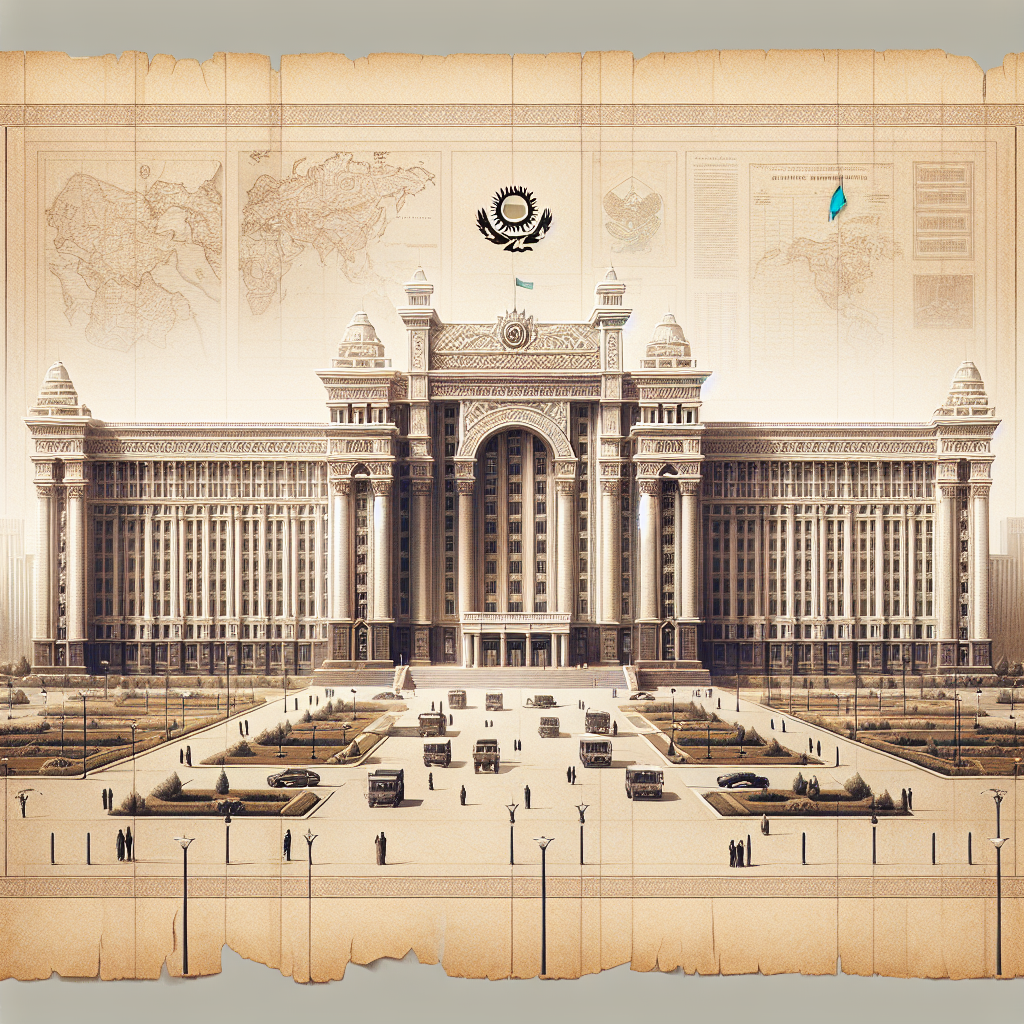

Kazakhstan's Ministry of Culture is like the backstage crew of a grand theatrical performance, critical yet often unnoticed. Established after Kazakhstan's independence in 1991, this institution operates within Kazakhstan, championing the preservation and enrichment of the country's diverse cultural tapestry. With a mission to foster national identity while embracing global influences, the Ministry works to weave tradition and modernity into the Kazakh cultural fabric. Located in the Central Asian nation of vast steppes and ancient history, it's the governing body ensuring the arts and heritage remain lively and relevant, even as modernization accelerates.
The Ministry of Culture in Kazakhstan holds a unique and powerful position when it comes to shaping the narrative of a young nation with ancient roots. Tasked with cultural policymaking, it influences everything from theater and film production to the preservation of historical sites and the promotion of Kazakh literature and music. It’s an ever-evolving process, reshaping the nation’s identity in an age where borders increasingly blur, and cultures are more interconnected than ever.
One of the most significant roles of the Ministry is to preserve the rich traditions that define the Kazakh people. Traditional music such as the sounds of the dombra, a two-stringed instrument, remains an emblem of national pride. Festivals celebrating folklore and customs offer glimpses into the past, reminding citizens of their ancestors' legacies. These cultural expressions serve not only to entertain, a primary narrative driving the Ministry's efforts, but also to ensure that heritage isn't lost in the race toward urbanization and globalization.
However, straddling the line between preserving tradition and embracing innovation can be challenging. There's a delicate balance between ensuring that historical culture is safeguarded and encouraging the new, contemporary voices in the arts. Modern Kazakh artists are pushing boundaries, experimenting with mediums, and introducing the world to a Kazakhstan that's vibrant and forward-thinking. Within the country, murals, contemporary music, and digital art scenes are becoming as vital as traditional displays of culture. The Ministry promotes these emerging artists, seeking to create a cultural ecosystem where the past and present can coexist and enhance each other.
While the Ministry's efforts are commendable, they are not without debate. Political liberals champion a more inclusive, diverse depiction of Kazakhstan's cultural narrative, one that reflects modern sensibilities, globalization, and progressive ideals. There’s a push to ensure marginalized communities, such as ethnic minorities and LGBTQ+ individuals, have their voices and stories represented in the national cultural narrative. In a country with over 130 ethnicities, this inclusivity is not just progressive but essential.
On the flip side, conservative critics worry that rapid modernization and excessive openness could erode traditional values that have defined the Kazakh identity for centuries. They argue that cultural initiatives should primarily focus on safeguarding the past. The Ministry finds itself navigating these waters, promoting a vision that respects age-old customs while embracing the diverse, dynamic nature of today's cultural landscape.
The fusion of traditional and contemporary influences within Kazakhstan’s cultural sector is also seen as a diplomatic tool. The country’s cultural diplomacy efforts highlight Kazakhstan's unique selling points on the world stage. By promoting its cultural identity abroad, Kazakhstan aims to foster international relations and promote tourism, drawing global attention to its breathtaking landscapes, hospitable people, and rich heritage.
Historically, culture has been a soft power tool. As Kazakhstan continues to grow economically and politically, wielding an enriched cultural narrative could redefine Asian-Euro relations. Partnerships with global art institutions, exchange programs, and international cultural festivals spotlight Kazakhstan’s offerings and build cross-cultural bridges that extend beyond geographical boundaries.
In a rapidly changing world, the Ministry of Culture in Kazakhstan stands as a beacon of hope and continuity, a central figure in the quest to keep cultural heritage relevant and resonant. It stitches together the old and new, the local and global, ultimately shaping the society's values and worldviews. Much as each generation adds its own chapter to the broader story of humanity, the Ministry plays its part, ensuring that Kazakhstan's distinct voice not only endures but thrives.