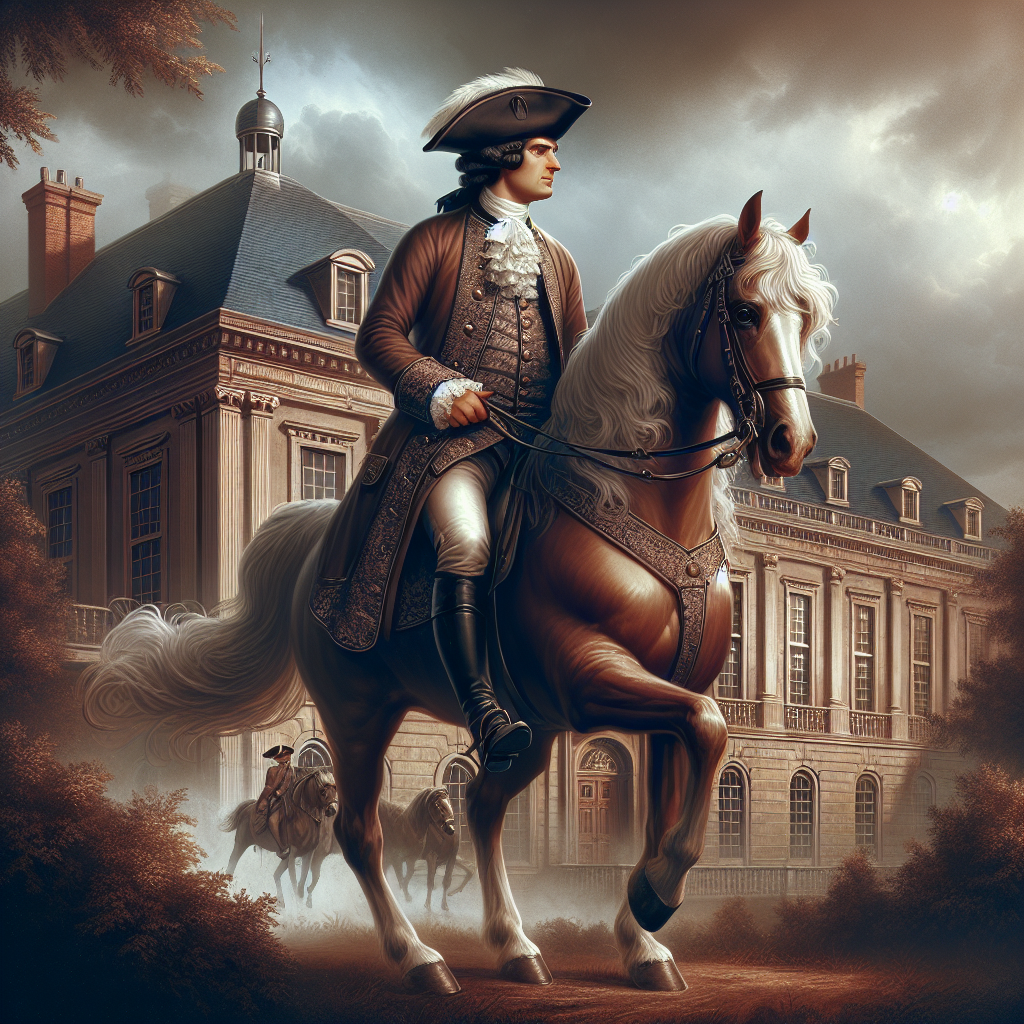

When you hear about Michał Kazimierz Radziwiłł, you might think of a mix between Game of Thrones and a classic European history class, except it's real life. Born in 1702 in Świerżeń Stary, present-day Belarus, Radziwiłł was a significant figure in Polish-Lithuanian politics and society during the 18th century. As a scion of the powerful Radziwiłł family, Michał not only wielded great influence within the Grand Duchy of Lithuania but also played key roles in shaping the region's politics through various military and cultural pursuits until his death in 1762. Why does this matter? Because understanding figures like Radziwiłł helps us see the complex web of dynastic politics that shaped modern Europe, something that offers lessons in power, influence, and cultural patronage.
Michał Kazimierz Radziwiłł was known for being a formidable military leader, often caught in the chaotic shifts of alliances and power struggles of his time. In a world where allegiances were as fickle as the wind, he navigated politics with a nuanced skill that allowed him to maintain his family's influence amid the larger tides of change. His military acumen was evident during the War of the Polish Succession, where he supported August III against rival claimants, a stance that won him both friends and foes.
Radziwiłł's influence wasn't confined to the battlefield. His political maneuvering was equally adept. He established himself as a central figure in the Commonwealth's politics, contributing to the shaping of its institutions and alliances. A liberal mind in the context of his time, Radziwiłł supported policies and reforms that sought to balance power among the nobility, a stance that sometimes put him at odds with more conservative elements of his era. Yet, his vision for a reformed aristocracy positioned him as a forward-thinking leader who tried to balance tradition with necessary change.
Beyond politics and military engagements, Michał Kazimierz Radziwiłł was also a patron of the arts. He understood the power of culture as a soft force for political influence. The Radziwiłł family is remembered for sponsoring poets, musicians, and artists, contributing to the era's vibrant artistic scene. This cultural investment wasn’t mere generosity; it was strategic, helping to solidify the family’s status and influence through cultural capital.
Addressing the complexities of Radziwiłł's life, one must consider the socio-political dynamics of his time. The Polish-Lithuanian Commonwealth was a noble republic characterized by a unique political system where nobility had significant power. Michał Kazimierz Radziwiłł was part of this noble class and used his position to impact the Commonwealth's destiny. However, this concentration of power among the nobility also led to internal strife, inefficiencies, and eventual partition by neighboring powers. Radziwiłł's life can be seen as both a product of this system and a player within its hierarchy of power, with all the contradictions and complexities it entails.
While it's easy to view someone like Radziwiłł as a simple hero or villain, the truth is always more nuanced. To some, his actions may seem like an embodiment of elitist power hoarding. On the other hand, he can also be seen as a progressive figure struggling to steer his world towards adaptation and reform. His efforts to maintain and even push for change within an ossifying political structure should be a testament to the importance of negotiation, dialogue, and vision in leadership – lessons that resonate across centuries to today's political and social landscapes.
In our world that continues to grapple with issues of power and governance, Michał Kazimierz Radziwiłł's life story serves as a compelling narrative about the roles individuals play within larger socio-political ecosystems. He shows us how complex and interwoven politics can be, and how much impact one person can wield with enough strategic foresight, cultural investment, and a little bit of cunning. He wasn't just a noble; he was an influencer of his time.
As we reflect on Radziwiłł's life, it’s easy to romanticize or villainize historical figures without fully appreciating the context they operated in. Today, we might have different values and frameworks for analyzing politics and leadership, but the essence of influence remains. Achtung to those in power: the lasting legacy of a leader is not just built on force but also on culture, strategy, and vision.