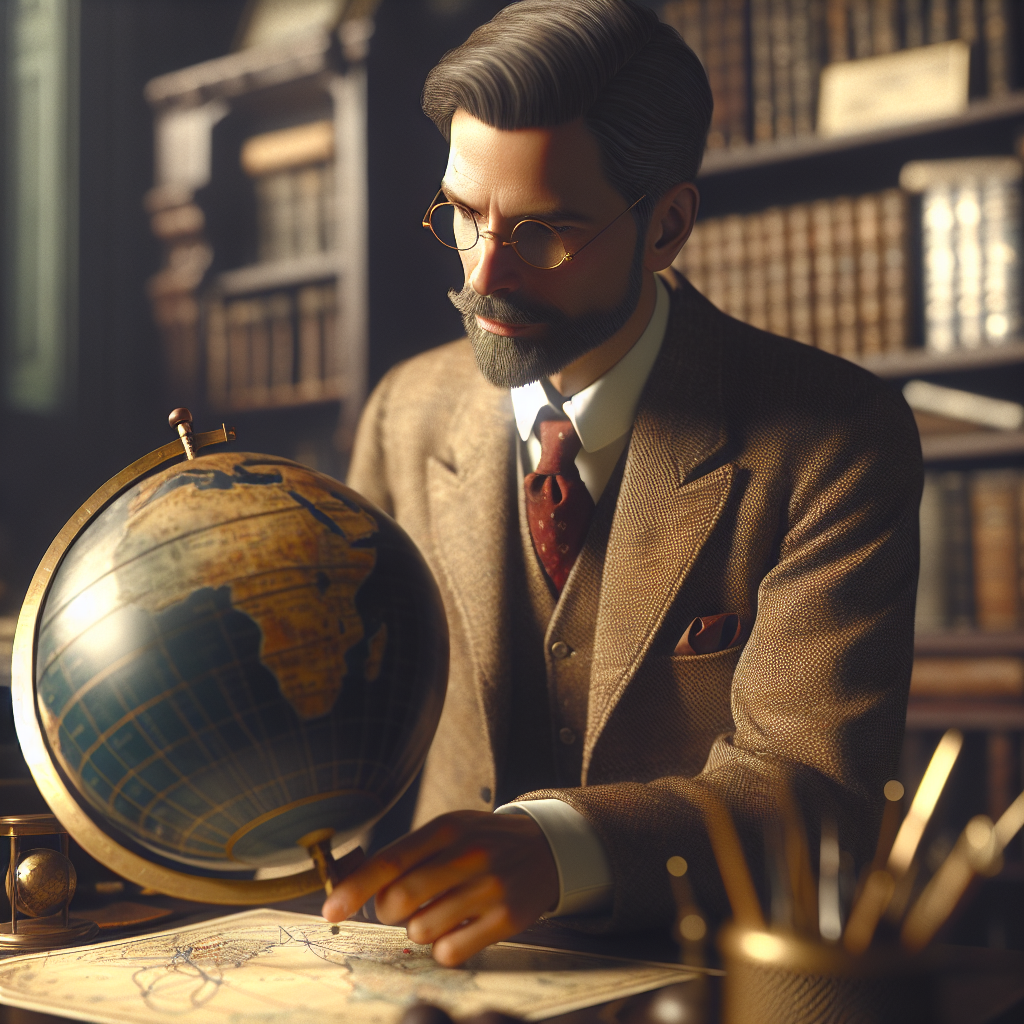

Isn't it intriguing how a single person can catalyze a movement that grows to connect nations and inspire millions? Meet Melville Marks Robinson, the founding father of the Commonwealth Games. This Canadian sports visionary orchestrated the inception of the Games in 1930, which first took place in Hamilton, Ontario. Robinson wasn't just another sports fan; he was a man with a mission. His aim was to foster friendly competition and unity among the Commonwealth nations in the aftermath of World War I, and it would seem that he succeeded magnificently.
Before venturing into the creation of what would become a globally celebrated event, Robinson was already renowned in the world of Canadian sports. Born in 1888, his early involvement in athletics molded his career path. Before turning to the organizational side of things, he worked as a sports journalist for the Hamilton Spectator. The exposure to the world of athletics and his ability to narrate sporting events became instrumental in his later accomplishments.
World War I had left behind a wake of damage, both physical and emotional, making the need for solidarity and healing even more pressing. Robinson saw sport as a universal language and an opportunity to bring people together. In a world shadowed by strife and division, his idea of using sports as a unifying force was nothing short of innovative. By promoting friendly rivalry and exchange, he hoped to replace mistrust with camaraderie.
The inaugural British Empire Games in 1930 can be considered a successful experiment in international cooperation in sport. Despite the economic depression of the era, Robinson persuaded eleven nations to participate. The Games hosted over 400 athletes competing in six sports: athletics, boxing, lawn bowls, rowing, swimming, and wrestling. The event sparked a sense of friendly competition and shared culture, setting a standard for future Games.
Robinson's journey was not without challenges. The onset of World War II put the Games on hold, testing the resilience of his vision. Yet, his unwavering determination ensured that the event didn’t just survive but thrived. He managed to revive the Games in 1950, transforming them into a quadrennial event and subsequently renaming them the Commonwealth Games to better reflect their inclusive spirit.
On a personal level, Robinson’s story is one of persistence, vision, and empathy. He saw the power of sports to transcend national lines long before globalization was a catchphrase. While his work aligned with the ideals of those who acknowledge sports as a tool for diplomacy, some critics might argue that sports alone are insufficient to resolve complex historical grievances. Not all issues can be smoothed out by a friendly sprint, after all.
Yet, in advocating for Robinson’s vision, one can recognize the space where his ideas and societal transformation intersect. The Commonwealth Games might not resolve geopolitical tensions, but they continue to create an arena for dialogue and understanding. This aspect of shared identity and respect—even if born from competition—speaks volumes in today’s fragmented world.
In the present day, we see how Robinson's legacy endures and evolves. As societies rethink nationalism, solidarity, and cultural exchange, the Commonwealth Games stand as a testament to what communities can achieve together. Whatever your perspective on the capacity of sports as political tools, the movement Robinson started remains a beacon for inclusivity.
Melville Marks Robinson left more than an athletic competition behind; he crafted an enduring tradition. This innovation of his continues to shape sports diplomacy and is an inspiring reminder of how one man’s vision can ripple across countries and generations. We continue to bear witness to how his foresight helps in bridging divides, showing us that what starts as a game can transform into a lifelong lesson on community and harmony.