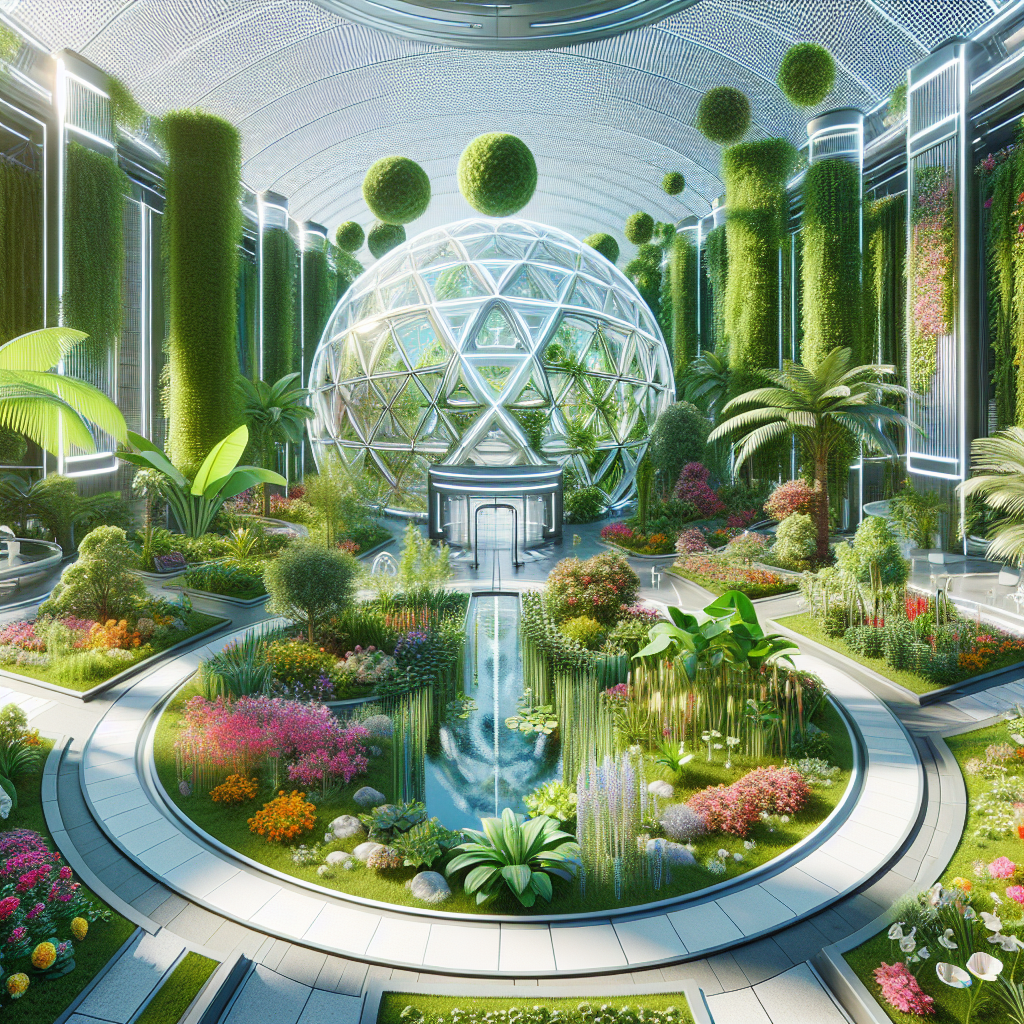

Imagine stumbling upon a hidden oasis of biodiversity, right in the heart of New Haven, Connecticut. That's exactly what the Marsh Botanical Garden offers. Initially established in 1899 by Othniel Charles Marsh, a notable paleontologist, this garden serves as a sanctuary of botanical beauty and scientific exploration, interconnected with Yale University. Visitors often find themselves soaking up peace among the lush greenery, attending fascinating exhibits, or just discovering how far a plant-loving paleontologist’s dream can grow!
The garden stretches over eight charming acres on Prospect Hill and is divided into various greenhouses and outdoor plant collections. It isn't just a collection of plants; it’s a living laboratory that inspires not only those studying plant sciences but also artists, historians, and the general public. Whether you’re a dedicated botanist or someone who just enjoys a casual stroll surrounded by nature, the Marsh Botanical Garden welcomes you to indulge your senses and curiosity.
Today’s generation, especially Gen Z, who are increasingly growing aware of environmental challenges, find places like Marsh Botanical Garden crucial. It’s more than just a pretty space; it’s playing a significant role in addressing environmental and climate change discussions. The gardens often host educational events and workshops that highlight sustainable practices and demonstrate how small actions can contribute to larger ecological impacts.
However, it’s essential to consider how spaces like these are perceived and used by the community. While many argue that botanical gardens can be elitist spaces, detached from the pressing concerns of urban communities, Marsh Botanical Garden defies these stereotypes. It not only opens its doors to students and researchers; it invites all community members to participate actively. It represents a step towards more inclusive environmental spaces that are accessible and welcoming, encouraging conversations that bridge the gap between scientific initiatives and grassroots activism.
The mystique of Marsh extends beyond its plant collections. It’s a platform for interdisciplinary collaboration. Here, scientists join forces with artists, integrating visual and performing arts to enrich our environments and offer fresh perspectives on nature. Art installations, performances, and interactive exhibits bring additional layers of experience to plant science, making it approachable and often quite captivating to a broad audience.
Moreover, as we navigate through an era of political polarization, places like Marsh Botanical Garden stand as neutral terrains where dialogue can flourish. Whether you bear the weight of climate anxiety, are fighting for policy changes, or are simply trying to understand what 'sustainability' really means, these natural habitats can indeed provide the calm and inspiration needed to pursue meaningful change. Even when there are diverging opinions on how to combat climate issues, gardens thrive as spaces where respectful discussions and constructive ideas can take root.
Many young people today are seeking authentic connections with the earth, and gardens like Marsh bring that relationship closer to home. In a digital age dominated by screens and virtual experiences, the tactile interaction with nature helps cultivate a sense of stewardship and responsibility. It's a serene reminder that there is still beauty worth preserving, urging us towards collective action.
Yet, the main challenge remains: how can more people become aware of and engage with such spaces? While Marsh is an established part of Yale's legacy, similar gardens across the world struggle with visibility and relevance. Sparking interest can be achieved by embracing diverse cultural expressions and stories within these spaces, making them relatable and engaging to a wider audience.
Marsh Botanical Garden is an evolving conversation with nature, urging each visitor to ponder their role in the ecosystem. With ongoing projects and partnerships aiming to advance botanical research and conservation efforts, it's a beacon of progress and hope in our increasingly complex world.
Visiting the garden isn’t just about observing plants; it is a learning experience. It’s about understanding the intricate balance of ecosystems, fostering a love for biodiversity, and realizing the impact one place can have on community well-being. Marsh Botanical Garden offers a peek into what a future intertwined with nature could and should look like—a dialogue of resilience, growth, and transformation that invites us all to participate.