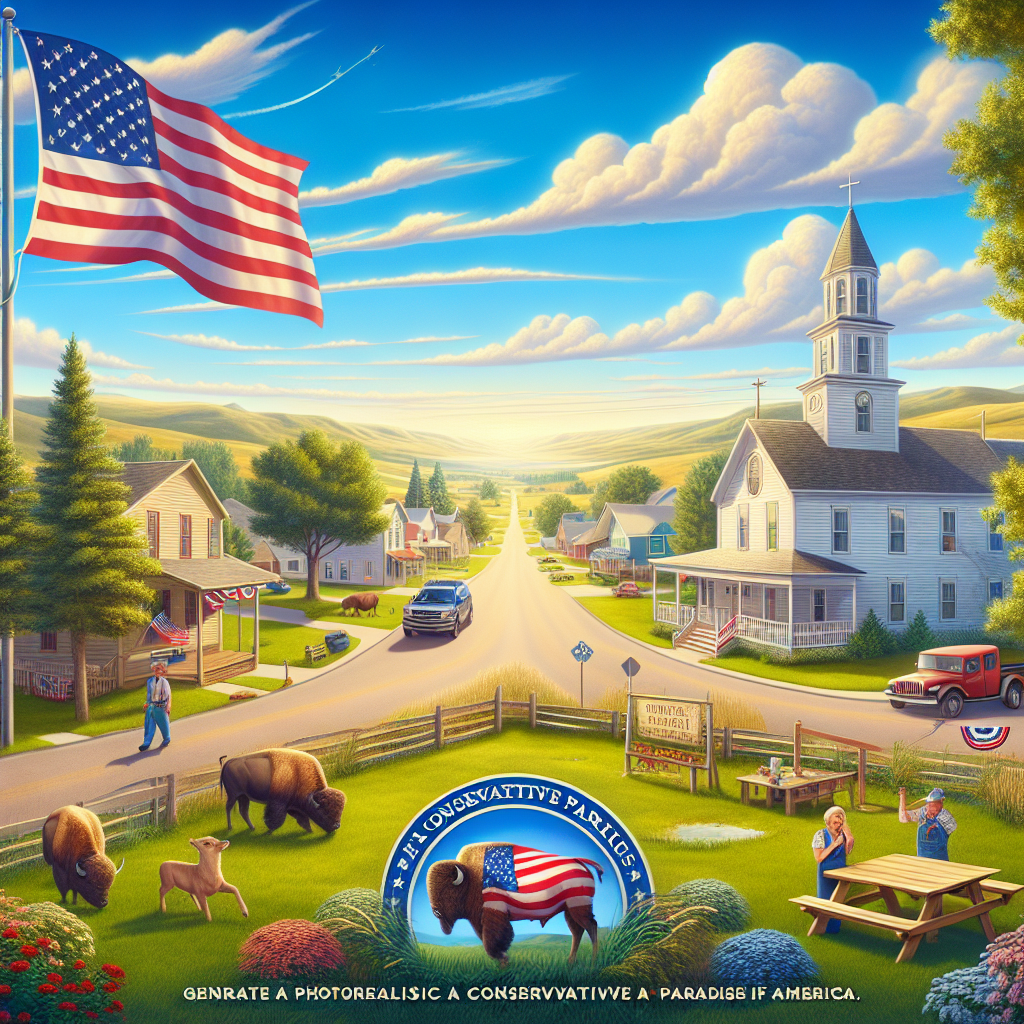

Manville, Wyoming, is like a hidden gem—tiny, remote, and packed with charm that might surprise you. Nestled in Niobrara County, this town is home to a mere handful of residents, making it one of the smallest incorporated towns in the state. But what it lacks in size, it makes up for in the warmth of its community and the stories within its borders. A visit to Manville feels like stepping into a scene where time has somewhat slowed down, allowing its locals to enjoy a different pace of life.
So, who lives in Manville? The people here are a perfect embodiment of what you'd expect from a small-town community. They’re resilient, close-knit, and always ready to lend a helping hand. When you live in a town where everybody knows everybody, there’s an incredible sense of belonging. Whether you’re a lifelong resident or just passing through, you'll find yourself greeted with open arms—a testament to the genuine hospitality Wyoming is known for.
The town’s history dates back to 1886 when it was established as a result of the burgeoning cattle industry, coupled with the arrival of the Chicago and North Western Railway. This narrative is common in many Western towns, reflecting a time when railroads played a crucial role in shaping the settlement patterns across the United States. Manville doesn’t boast grand landmarks or attractions but holds a certain authenticity that modern cities often lack. This is a place where historical echoes are felt in everyday life, whether through the architecture of the buildings or the stories shared by its older residents.
Although small, Manville’s economic struggles mirror larger trends affecting rural America. With limited job opportunities, many young people face the tough decision of staying or leaving to find work elsewhere. While some choose to remain, valuing the lifestyle and community bonds, others venture out in search of more prosperous futures. This challenge of balancing tradition with economic opportunity is not unique to Manville but is a story shared by many rural areas striving to survive amidst broader economic shifts.
Politically, Manville, like much of Wyoming, leans conservative. However, in tiny towns like this, political lines often blur when they're up against the shared goals of the community—like maintaining the local school or keeping the town hall running. Understanding politics in a place like Manville thus goes beyond party affiliations; it's more about mutual respect, cooperation, and ensuring that everyone can continue to call this place home.
Given the global focus on urbanization, Manville presents an alternative narrative. It showcases a lifestyle that prioritizes interpersonal connections and the rhythms of rural living. This is something deeply appealing to many Gen Z-ers who are disillusioned with city life's pace and anonymity. There's a growing appreciation for close communal ties and a slower lifestyle, seeking authenticity over the impersonal nature of urban crowds.
That said, there's a healthy acknowledgment of the limits that come with rural life—limited access to healthcare, educational resources, and entertainment options being some of the key issues. However, such drawbacks often have creative solutions at the heart of them. Residents of small towns like Manville often exhibit incredible innovation and resilience. Community members band together to create solutions tailored to their unique needs. It's this same spirit, this can-do attitude, that challenges negative stereotypes about “flyover country.”
With the environmental movement gaining traction, Manville's open landscapes offer a fresh perspective. The vast skies and sprawling plains are not just beautiful—they remind us of the resources we have to protect. When global conversations debate sustainability, it's rural communities who often understand intrinsically the value of the land. They live hand-in-hand with their environment. Manville serves as a microcosm of wider efforts to balance development while maintaining ecological integrity.
In the end, Manville shows that meaningful stories and experiences don’t always come from the biggest cities or famous landmarks. Sometimes, they can be found in the bonds between neighbors, in history that’s slowly narrated through time, and in landscapes untouched by the urban sprawl. This small town in Wyoming might just hold the charm and wisdom many of us crave amidst the chaos of modern life.