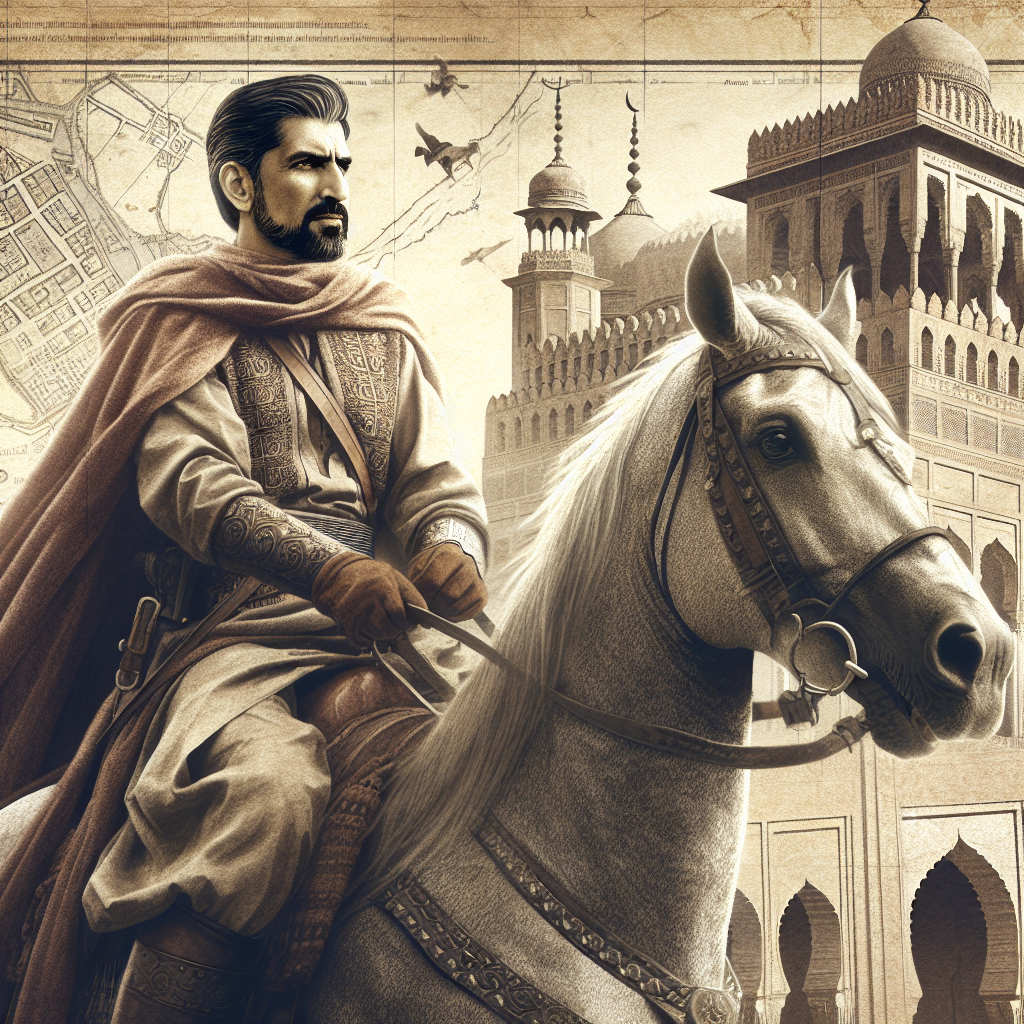

If you think riding horses is just another skill, try telling that to Malik Ata Muhammad Khan, who transformed horse riding into an art form and cultural emblem. Born in 1941 in Attock, Pakistan, Malik Ata was not just a man of titles, be it as a respected politician, the sardar of Kot Fateh Khan, or a star equestrian. His multifaceted life bridged traditional and modern worlds, all while staying deeply rooted in his cultural heritage.
Malik Ata is a name that reverberates with charisma and command across Pakistan, especially in the rural landscapes where equestrian sports are cherished. He was a celebrated tent pegging master, and his prowess placed him at the helm of promoting this tradition, not just in Pakistan but internationally too. Riding since childhood, by his twenties, he was representing Pakistan in tent pegging competitions globally. His skills were unmatched; it’s as if he shared a secret language with the horses he rode.
His commitment to preserving local traditions through modern channels was evident as he led team Pakistan to big wins on global platforms. Often viewed as a bridge between eras, he had the unique ability to communicate the essence of rural sports to an urban audience. He demonstrated how culture and tradition could coexist with progress — a concept that resonates well with today's youth, who often find themselves torn between past traditions and future aspirations.
Politically, Malik Ata served as a dispassionate observer of his environment. Though deeply rooted to his aristocratic background, he donned the cloak of modernity wherever it was essential. He was a member of the Punjab Provincial Assembly in the late 70s, where he spoke passionately about agricultural and rural issues. His political journey might not have been long, but it was influential, remaining in the memories of those who admired his steadfast dedication to public service.
What sets him apart is his duality. On one hand, he was a staunch protector of heritage. On the other, he was open to dialogue and adapting to changing times. He understood the younger generation's aspirations yet never let them entirely abandon their roots. His legacy teaches balance, showing how to walk between tradition and modernity with grace and determination.
He garnered respect across social and political spectrums, emulating how one could belong to the old world yet have relevance in the new. Wrestling with the past archetypes and futuristic thoughts, he carved a niche for himself that others can look up to.
As a subject of curiosity for Gen Z, Malik Ata’s life is an embodiment of staying true to one’s identity while engaging with global challenges. His focus on youth and sport symbolizes the potential for self-discovery and global citizenship. Advocating for ancestral traditions doesn’t mean shutting the door on progress. Instead, it’s about adjusting the course with compass in hand, knowing which stories are worth preserving.
In the modern zeitgeist, where traditions are either outright rejected or commercially repurposed, he stood as a testament that they could be lived fully and heartily. Young people today hold varied perceptions of tradition, ranging from viewing it as an unnecessary burden to a golden heritage. Malik Ata’s life echoes an understanding across these views—a respect for the past while engaging with present realities.
The allure of Malik Ata also stems from his embodiment of passion without borders. He wasn’t confined to national accolades; he took Pakistani traditional sports across continents. Such international representation speaks volumes about how cultural diplomacy can bridge divides. His efforts laid the groundwork for future athletes who can aim for global prominence without losing their roots.
Some critiques argued that his focus remained narrow, primarily emphasizing rural sports, an area not traditionally gripping urban imaginations. However, it is this singular focus that allowed these sports to gain recognition on a larger scale. His efforts became the very bedrock of their survival and evolution.
Malik Ata Muhammad Khan left a dimension of potential for Pakistani youth and athletes alike, an imperative to circumnavigate their worlds with cultural richness without compromise on modern ambition. His narrative imparts a simple truth—that culture can serve as a bridge rather than a roadblock. He portrayed the message that diversity thrives on inclusion not only of people from various backgrounds but also of ideas from different times.
Thus, Malik Ata is more than just a revered equestrian or influential politician; he is a symbol of the possibility that arises when you embrace the spirit of both change and tradition, serving as an ongoing conversation with oneself and the world.