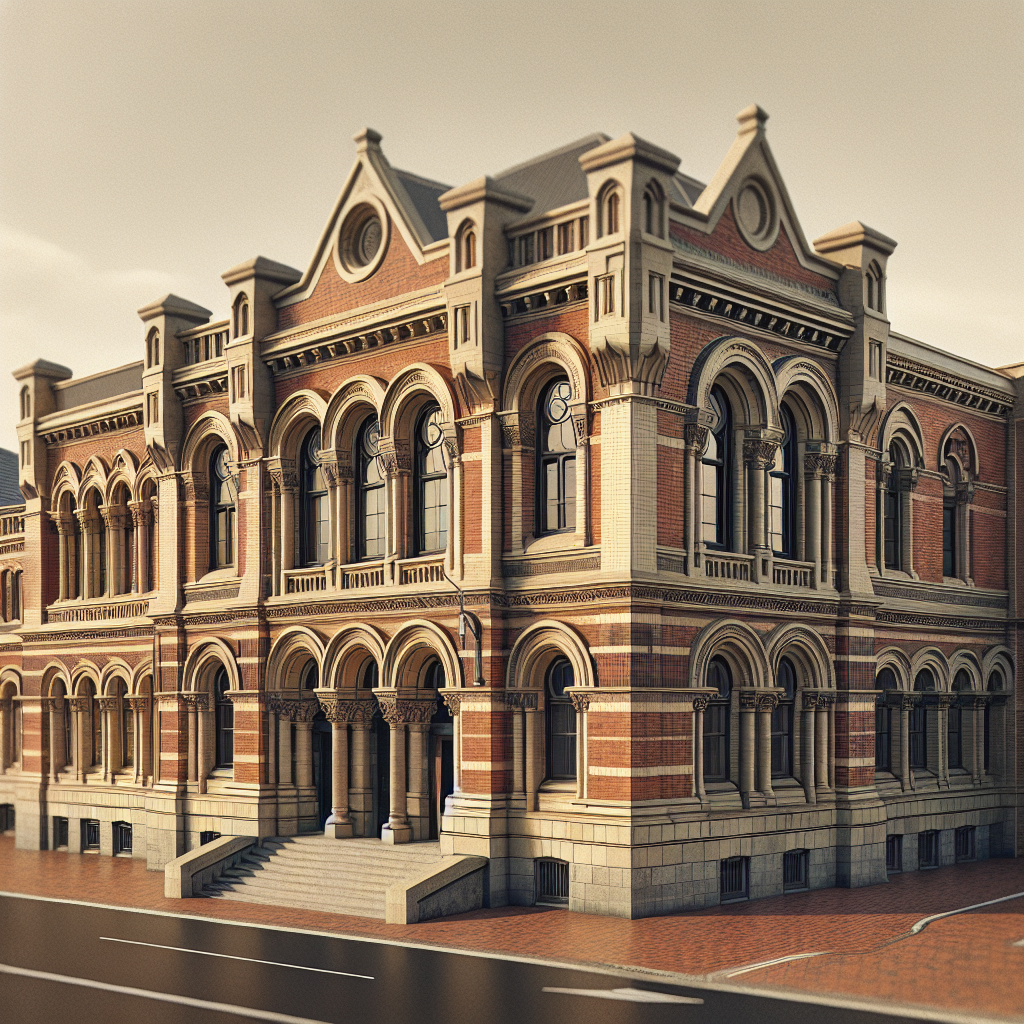

Nestled within the scenic beauty of New Zealand, the Lyttelton Borough Council Chambers is a captivating piece of history that echoes more than just officialdom; it tells the story of a town's resilience and character. Established in the late 19th century, right before the dusty streets of Lyttelton became paved with history, this building has been a significant fixture in the small port town ever since. The Borough Council Chambers served as the heart of local governance, a vibrant focal point for community decisions till the late 20th century. Located on London Street in Lyttelton, it stands as a testament to the architectural style of its time and reflects on the impacts of social progress and challenges through the ages.
The building itself is a lesson in architectural elegance, an exquisite exhibition of Victorian architecture. Its well-crafted stone edifice is both imposing and comforting, serving as a reminder of a time when public buildings were made to last, embodying the aspirations of the pioneers who built them. Walking past the Chambers, its presence feels like embracing a conversation between the past and the present.
While the building has stood the test of time, it hasn’t been immune to the quakes and shakes that have marked New Zealand's landscape. The 2011 Christchurch earthquake left a scar on its structure, which led to debates about its future. Some argued that modern desires necessitate replacing the old with something new and more functional, while others passionately advocated for its preservation, respecting the layers of stories embedded in its walls.
Preservationists have often had their sentiments dismissed as sentimental nostalgia, but their arguments are anything but static. They believe buildings like the Lyttelton Borough Council Chambers are more than brick and mortar; they're vessels of identity and continuity for the community. The preservation ensures that the essence of cultural heritage isn’t lost in the chaos of progress.
Conversely, others argue for modernization with equal fervor. Advocates for rebuilding suggest the necessity of evolving infrastructures capable of supporting contemporary needs and making space for new beginnings. In a rapidly changing world where climate change and urban development pose urgent challenges, such perspectives highlight the practicalities of adapting to future needs.
Yet, balancing between preservation and progression doesn't necessarily have to be a zero-sum game. The debate over such historic buildings brings forward the essence of democratic dialogue, a tradition the Council Chambers has long been a part of. Whether preserved in its original form or reimagined for the modern era, its legacy of community involvement continues.
This debate reminds us of the broader, often contentious discourse around cultural heritage, identity, and progress. Acknowledging multiple viewpoints fosters a richer understanding and dialogue, which is crucial in multi-generational spaces like Lyttelton. Gen Z, with its global consciousness and openness to diversity, might find this particularly resonant as they navigate a world that demands both innovation and respect for cultural roots.
While there are complexities in maintaining and restoring historical sites, there are also brilliant opportunities to rethink them as sustainable spaces. The Lyttelton Borough Council Chambers could become a symbol of sustainable restoration, showcasing how melding the old with the new can cater to both aesthetic beauty and modern functionality.
Reflecting on its history, the Chambers not only marked governance but also became a symbol of engagement for residents. The building has seen protests, celebrations, and countless decisions shaping the fabric of Lyttelton. Its walls hold tales of triumphs and challenges of a community that has weathered many storms.
Whether you view the Lyttelton Borough Council Chambers as a nostalgic link to the past or a structure with potential for a new purpose, it undeniably represents more than just a building. It embodies the spirit of a community and its ongoing narrative, one that values its roots while embracing the future.