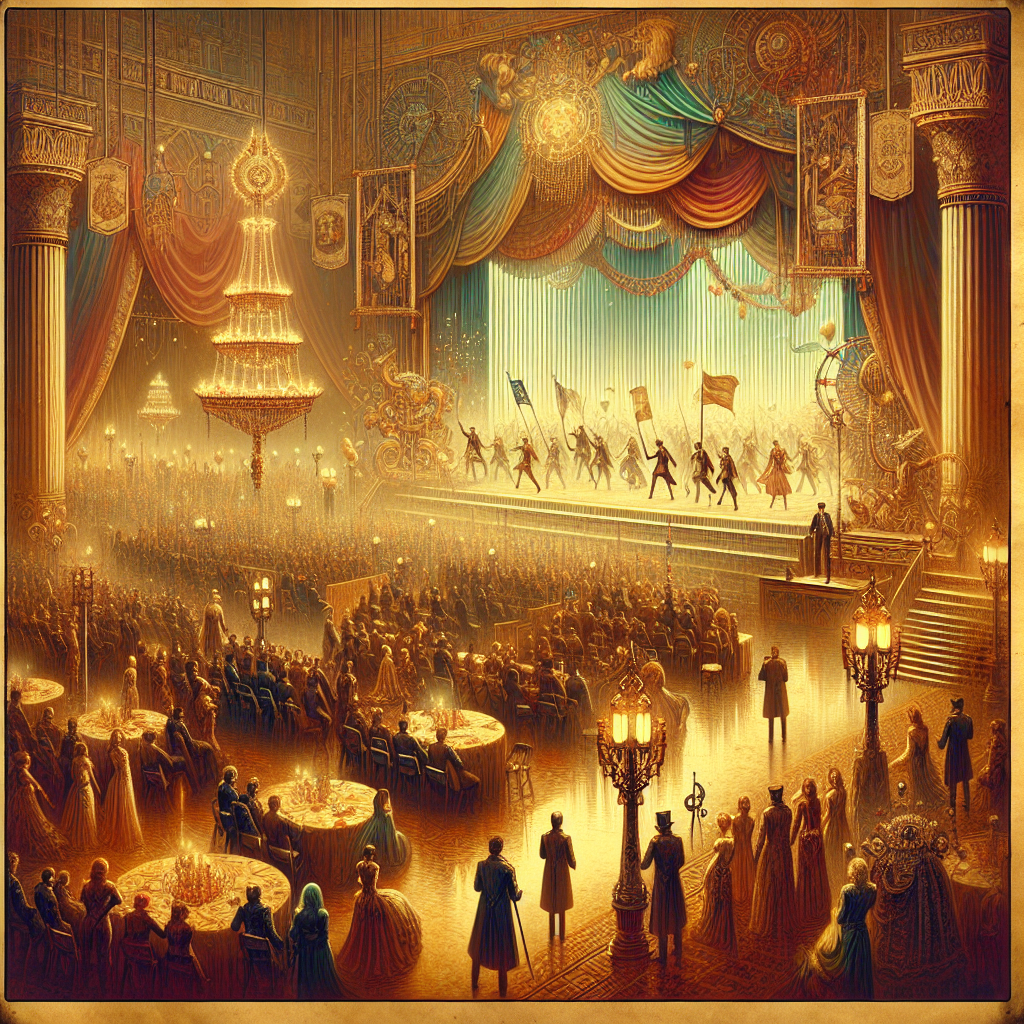

Imagine stepping into a realm where creativity reigns supreme, and every thread tells a story. Welcome to London Fashion Week, a biannual spectacle held in February and September that transforms London into a vibrant canvas for designers from around the globe. Nestled in the heart of this dynamic city, the event showcases the work of iconic names as well as rising stars, reflecting an eclectic mix of style narratives that transcend borders. But why should anyone care about this vice of fabric and flair? Because this is not just runway drama; it’s a stage where fashion intersects with culture, politics, and innovation, compelling us to think beyond conventional seams.
Diving into the vibrant tapestries of London Fashion Week is like flipping through a living magazine where pages flutter with pastels, neons, and everything in between. Each edition carries a theme or a spirit, dictated by the global zeitgeist and the evolving consumer consciousness. From sustainability concerns to redefining gender norms, designers don't just stitch garments, they sew commentary onto the vibrant fabric of society. For instance, during a recent show, designers tackled climate change with collections using recycled materials while celebrating fluidity in fashion, emphasizing that every outfit transcends traditional binary norms. This inclusivity speaks volumes to a generation tired of being put into boxes, demanding expression and acceptance as fabric fades into the backdrop of autonomy and self-exploration.
Now, consider the models—diverse, captivating, and unapologetic. These are not mere mannequins for apparel but storytellers in their own right, representing a wide array of ethnic backgrounds, genders, and body types. This diversity on the runway mirrors the city's melting pot of cultures and sparks a dialogue about representation. It’s a move away from the homogeneous standards that once defined fashion, a radical shift that Gen Z has championed by demanding that brands reflect the world's vibrant tapestry. Fashion Week now becomes a conduit for change, empowering individuals to strut their stories with pride.
Opposing views argue that the high fashion scene is a world detached from reality, a space far removed from the everyday struggles of many. Some perceive it as an industry too absorbed in its aesthetics and excesses, failing to address pertinent social issues head-on. They see Fashion Week as a spectacle, dazzling sure, but strangely aloof to the plainer rhythms of life where actual consumers may feel alienated. However, to dismiss it entirely overlooks the strides made in representation and sustainability and how fashion can foreground conversations around identity and narratives. Fashion Week has been working its way towards accessibility, slowly but surely opening its doors to online shows and broader audiences.
Fashion extends beyond clothing; it's an art form, a cultural expression, and an economic powerhouse. The UK's fashion industry contributed over £35 billion to the economy pre-pandemic, showcasing how the whimsical world of runway dreams roots itself firmly in the soil of financial reality. London Fashion Week, in particular, acts as a launchpad for designers, presenting opportunities for collaborations and innovations. Economic critics may argue about the superficiality of such industry contributions, yet the sector not only boosts employment but also fosters creative synergy that trickles down global corridors of trade and commerce. These gatherings become epicenters of innovation and trendsetting, inviting products and practices that challenge market norms and result in tangible socio-economic benefits.
Attending Fashion Week, whether virtually or in person, is akin to watching modern art in motion. The catwalk reveals possibility—new silhouettes emerging into the spotlight while yesterday’s constructs fade backstage. As the world grapples with shifts in political, environmental, and economic climates, the evolution of fashion mirrors these transformations. London Fashion Week stands at the vanguard, advocating that style is more than skin-deep, pressing us to critique, rejoice, and question mainstream ideologies.
For Gen Z, the magic of Fashion Week lies in its potential for activism clothed in creativity. It’s where you find movements stitched into seams, defying fast fashion’s fleeting trademarks, and embracing ethical practices that care for our shared planet. These fashion choices become statements, irrefutable protests tied to lifelong commitments toward resilience and reform. And it’s precisely here, amidst the swirling whirl of fabrics and designs, that the next generation might redefine what fashion means, not only to the eye but to the soul as well.
London Fashion Week remains a vibrant testament to a city alive with creativity. It embodies change, its allure an ever-evolving dialogue between the past and future. For an audience seeking relevance, truth, and a dash of the theatrical, this celebration of fabric and fancy unveils narratives deeply woven into the global social fabric. In fashion’s grand stage, every attendee is not a mere spectator but a participant in the dialogue of visual wonder, hope, and transformative action.