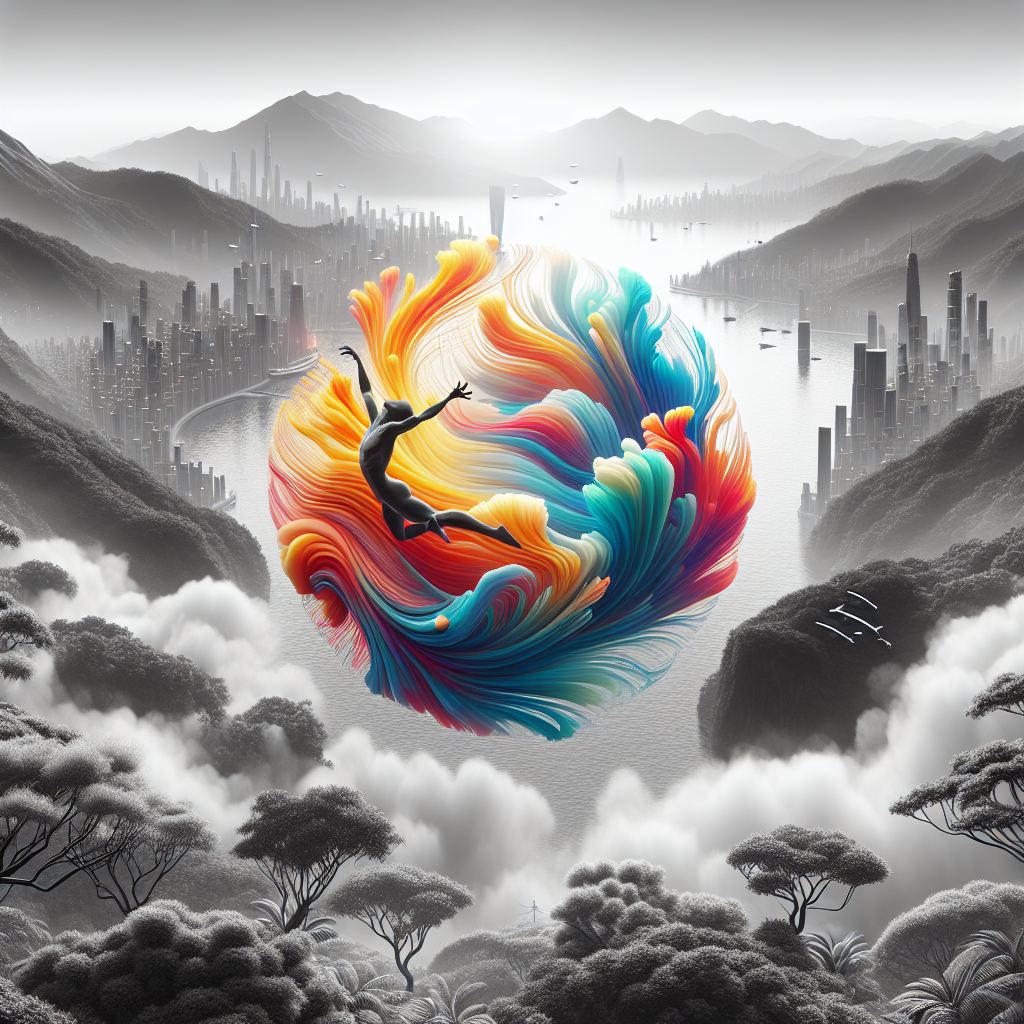

The Rise of Live Music: A Cultural Renaissance
Imagine a world where the pulsating energy of live music is the heartbeat of society, a world where concerts are not just events but cultural phenomena. This is the world we are living in today. The resurgence of live music is sweeping across the globe, captivating audiences from New York to Tokyo. This movement is not just about the music; it's about the shared experience, the connection between artist and audience, and the unifying power of sound. The rise of live music is a response to the digital age's isolating tendencies, offering a tangible, communal experience that many crave.
Live music has always been a staple of cultural expression, but its significance has grown exponentially in recent years. The pandemic-induced hiatus made people realize the irreplaceable value of live performances. As venues reopen, there's a renewed appreciation for the spontaneity and authenticity that live music offers. It's a stark contrast to the polished, often sterile experience of streaming music online. The raw, unfiltered nature of a live performance creates a unique bond between the artist and the audience, something that cannot be replicated through a screen.
For many, attending a live concert is more than just listening to music; it's an emotional journey. The anticipation builds as the lights dim, and the first notes resonate through the crowd. It's a shared experience that transcends individual differences, bringing people together in a way few other events can. This communal aspect is particularly appealing to Gen Z, who value experiences over material possessions. Live music offers a sense of belonging and community, a chance to be part of something larger than oneself.
However, the resurgence of live music is not without its challenges. The industry is grappling with issues such as ticket pricing, accessibility, and environmental impact. Ticket prices have soared, making it difficult for many to attend their favorite shows. This has sparked debates about the commercialization of live music and the need for more inclusive practices. Additionally, the environmental footprint of large-scale events is a growing concern, prompting calls for more sustainable practices within the industry.
Despite these challenges, the demand for live music continues to grow. Artists are finding innovative ways to connect with their audiences, from intimate acoustic sets to immersive, multi-sensory experiences. Festivals are becoming more diverse, showcasing a wide range of genres and artists from different backgrounds. This inclusivity is vital in ensuring that live music remains a vibrant and dynamic part of our culture.
The rise of live music is a testament to the enduring power of human connection. In a world where technology often isolates us, live music brings us together. It reminds us of the beauty of shared experiences and the joy of being present in the moment. As we navigate the complexities of modern life, the resurgence of live music offers a beacon of hope, a reminder that we are not alone in our journey.