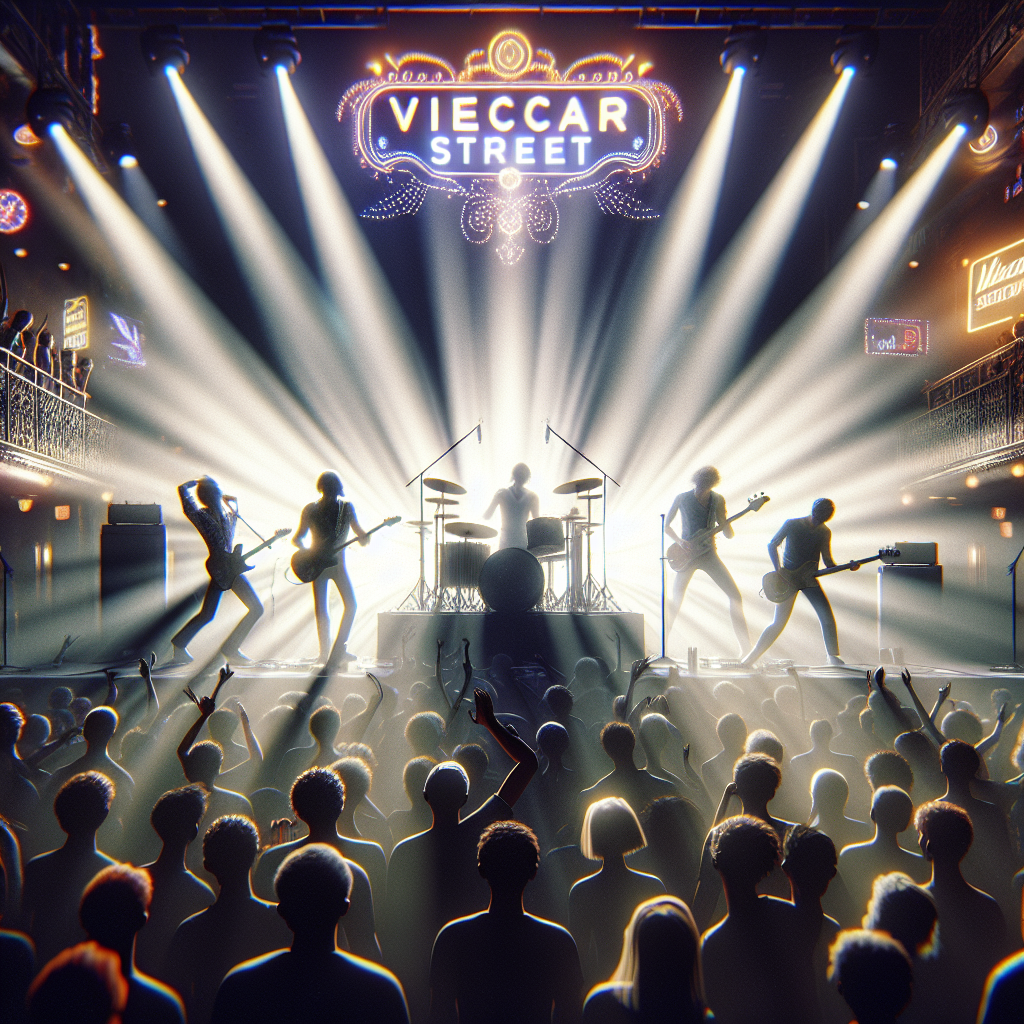

If you’re searching for a moment of musical magic captured in amber, you’ll find it in 'Live at Vicar Street,' an album by the revered Irish folk group, The Dubliners. Released in 2006, this riveting album preserves the spontaneity, emotion, and essence of an unforgettable live performance on the hallowed ground of Vicar Street in Dublin. This venue, known for its intimate atmosphere, perfectly frames the raw and heartfelt nature of The Dubliners' music, bringing it to life for those of us who weren't able to be there.
The Dubliners are one of those storied bands whose very name seems almost synonymous with Irish culture, just as Guinness might be. Formed in 1962, the group has been an enduring presence in the world of folk music. By the time of this live recording, they were already legends, woven into the fabric of Irish music history. Their lineup at this point featured legendary figures like Barney McKenna and John Sheahan, each a master of their craft, contributing to an ensemble sound that is rugged, nostalgic, and undeniably authentic.
This live album stands not only as a testament to the enduring popularity of The Dubliners but also as a cultural artifact. Recorded over two nights in Vicar Street, the performance captures the vibrant energy of the band at a moment in time when traditional music seemed to tango effortlessly with modernity. The tracklist is peppered with folk classics, toe-tapping jigs, and heartfelt ballads, each played with the precision and warmth that has characterized The Dubliners' performances for decades.
The album kicks off with a spirited rendition of 'The Spanish Lady,' a track that demonstrates the band's knack for lively storytelling. This opening number sets the stage for the musical journey, interspersed with banter that reflects the camaraderie among the band members and their rapport with the audience. This interaction is a crucial element of their live performances, bridging that invisible gap between artist and audience, creating a shared experience rather than a one-sided showcase.
One notable highlight is their performance of 'Dirty Old Town,' a song with roots outside of traditional Irish music but adopted and transformed by The Dubliners into something that feels wholly native to the Emerald Isle. The haunting poignancy of this piece taps into themes of nostalgia and change, resonating deeply with a millennial audience familiar with the fluctuating pace of modern life. It's a song that rings with authenticity, a comfort in its familiarity and a challenge in its enduring relevance.
The traditional 'Molly Malone,' with its beautifully tragic narrative of love, life, and loss, is another standout. The audience at Vicar Street, most likely fueled by both reverence and a few pints, sang along, turning the venue into a sea of voices joined in unison. Moments like these serve as cultural touchstones, grounding listeners in a shared identity and offering a kind of warm communal refuge.
However, it would be short-sighted not to acknowledge that folk music, and The Dubliners by extension, sits at a crossroads of cultural appreciation and appropriation. There are layers to explore regarding whose stories are told and how these narratives are represented. While the music of The Dubliners celebrates Irish culture, it also engages with the complex history of Ireland itself. These layered significances in such music stoke debates about authenticity and representation, ensuring that these conversations remain dynamic and ongoing.
'Live at Vicar Street' captures not just a performance, but an experience, the kind that seems increasingly rare in today’s digital age. For Gen Z, raised on infinite Spotify playlists and algorithm-driven trends, this album is a reminder of the power of live music as a communal experience that builds memories and connections. While our world might continue to grow smaller, thanks to the internet, The Dubliners remind us of the importance of knowing where we've come from, in terms of both personal and cultural heritage.
Listening to this album taps into a kind of nostalgia for a time many of us never actually experienced, yet feel we've been part of through stories and songs passed down through generations. It's a yearning for connection, for understanding traditions in a world that constantly encourages us to look forward rather than pause and reflect on what has come before.
The appeal of 'Live at Vicar Street' lies not just in its rich tapestry of sound and history, but in its unadulterated sincerity. The Dubliners’ music embodies the highs and lows of the human spirit, providing moments of reflective melancholy alongside toe-tapping joy. It underscores the significance of celebrating diverse artistic heritages within our rapidly evolving world.
While the album may primarily be a must-have for fervent folk enthusiasts, it also serves as an invitation for the uninitiated to discover the magic of traditional Irish music. 'Live at Vicar Street' becomes an entry point into a remarkable genre, urging listeners to question and understand the historical and cultural impacts of music across societies. Whether you're Irish or hold no direct connection to the roots of its songs, the sounds of The Dubliners resonate on a universal level, transcending borders and generations.