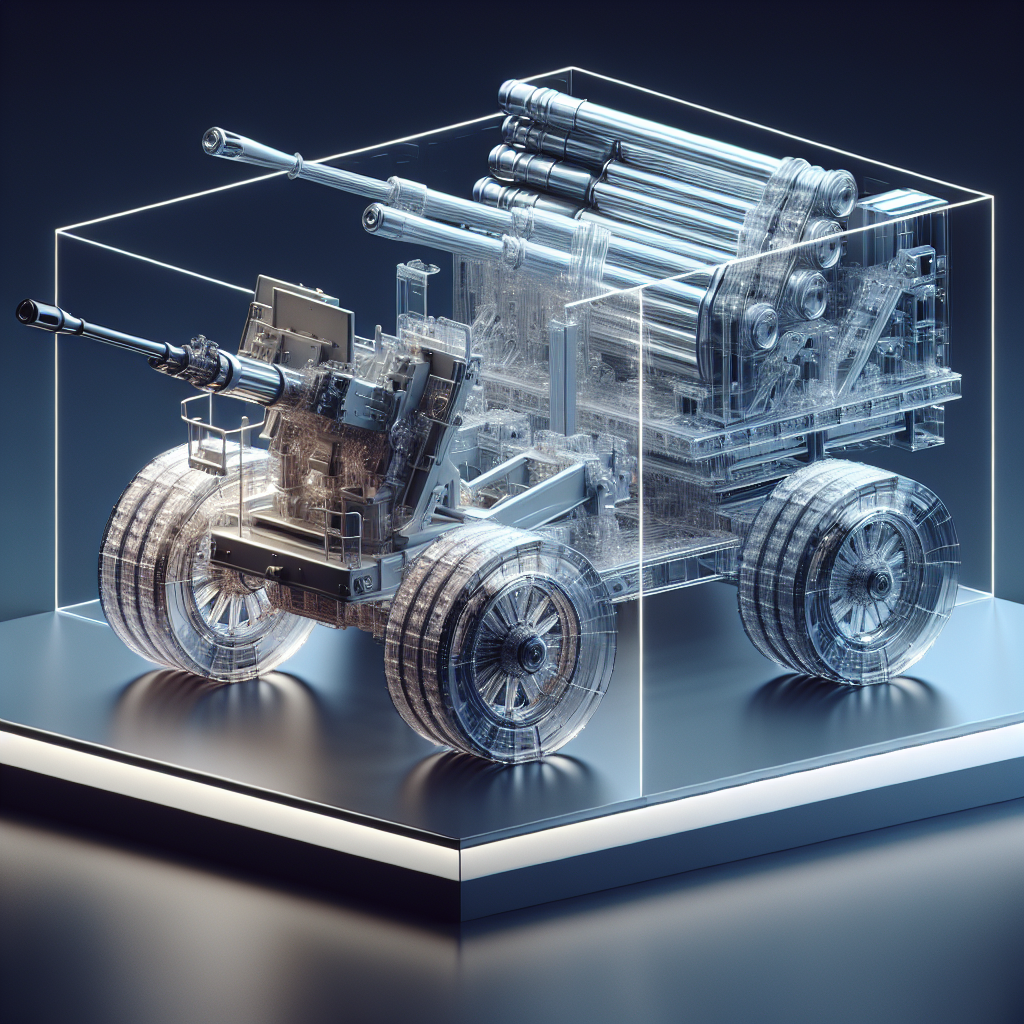

Picture a scene straight out of a history book — the clattering of hooves, the creak of wooden wheels, and soldiers poised with disciplined readiness. This, my friends, unfolds the story of limbers and caissons, crucial yet often overlooked objects of military brilliance. Limbers and caissons, dating back to the 18th and 19th centuries, played indispensable roles in the artillery divisions of armies across Europe and America during tumultuous times like the American Civil War. As mobile carriages, they provided swift transport of cannons and ammunition across rough terrains, fundamentally altering battle strategies.
The allure of limbers and caissons is intricately knit into their simplicity and utility. In essence, a limber is a two-wheeled cart designed to attach to a field gun. Think of it as a hitch that makes the cannon mobile, connecting men and machine with rapid efficiency. On the other hand, caissons, with their typically four-wheeled structures, often followed limbers. These sturdy carts carried vital reserves of ammunition and were essentially the lifelines of the artillery, ensuring forces never ran dry on the front lines.
But why do these age-old military tools deserve a spot in our modern conversations? Beyond their historical significance, limbers and caissons highlight the human ingenuity and adaptation in the face of adversity. They also underscore the trajectory of technological evolution — from wooden contraptions pulled by robust horses to our current era dominated by advanced machinery and automation.
However, there's more beneath the surface than just technical machinations. The shift from limbers and caissons to contemporary equipment mirrors societal changes too. During their height, these instruments were symbols of power and control, but they also bore the silent witness to the harsh realities of war — lives lost, strategies devised, victories sung, and defeats swallowed silently.
Some might argue that discussions about limbers and caissons belong in dusty archives alongside old military relics. Yet, there's a profound lesson here for Gen Z and modern society. Amidst the uproar of technological leaps, it's grounding to trace back innovations to their rudimentary roots and appreciate this ongoing cycle of improved inventions. It's a testament to how far we've come, yet a reminder of how tied we are to the past.
While the romanticism of traditional machinery like limbers and caissons can engage and inspire, there’s the contrasting reality of the devastation and pain their usage signified in the past. Many pacifists and activists highlight this duality — recognizing the marvel of engineering while harboring disdain for the destruction they assisted.
In our contemporary context, as debates rage over technology's role in both progress and intrusion, limbers and caissons can metaphorically illustrate another narrative. They embody cooperation, teamwork, and logistical prowess, transcending their mechanical form to become pieces of history that brought people together under inhospitable circumstances. The soldiers of yesteryears learned to push boundaries together, an empowering idea that can fuel present-day endeavors too.
In crafting today's future, the legacy of tools like limbers and caissons could resonate across realms beyond military history. They stand as relics of human creativity and resilience. From collaborative spirit to mastering challenging terrains, the lessons are plentiful. Linking back to the dichotomy of destruction and ingenuity, we as a society need to see both as parts of one larger narrative.
Ultimately, these seemingly anachronistic nodes in the web of history may hold subtle lessons about balance — appreciating progress while acknowledging its origins. For Gen Z, this becomes a call to understand our past so we can innovate mindfully for a world that's both technologically advanced and consciously humane.