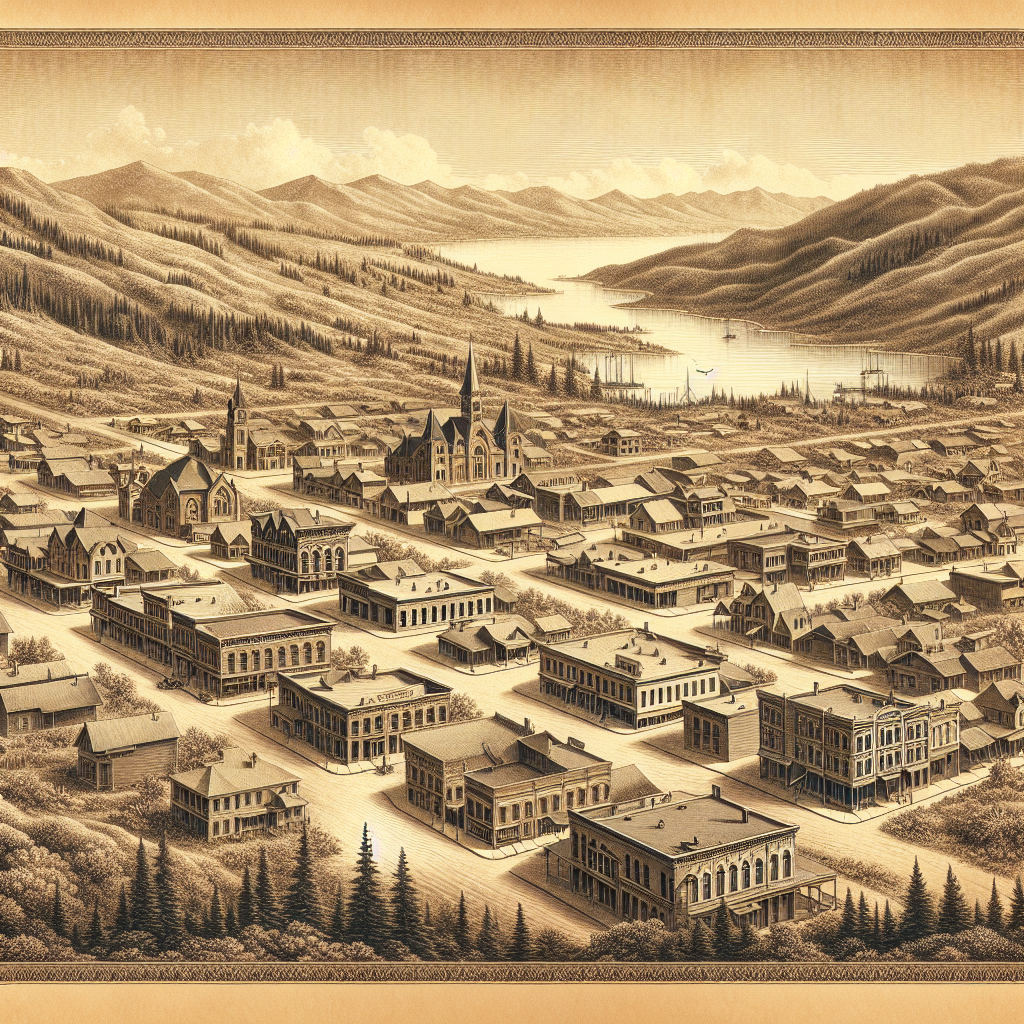

Nestled high in the Colorado Rockies, Leadville's Historic District is where the past whispers its stories and the present listens with rapt attention. In this quaint town, you’ll be walking among the echoes of miners who sought riches, a vibrant cast of characters who defied the odds, and the intangible spirit of a community that weathered the booms and busts of history.
Leadville, declared a National Historic Landmark District in 1961, is an enchanting time capsule where the late 19th-century frontier life plays out against its rugged, high-altitude backdrop. This uniquely American story includes spectacular highs of silver mining, pivotal figures like Horace Tabor—a controversial millionaire whose fortunes rose and fell with the price of ore, and indescribable beauty of Victorian-era architecture.
Leadville isn't just a static monument. It’s a living place where old saloons have tales of rowdy nights, and former brothels keep the secrets of their alluring pasts. Much of Leadville's unique character is tied up in these structures, lovingly persevered as part of the Historic District.
The fascinating thing about Leadville is that it's both a symbol of American ingenuity and excess. That duality mirrors how even today, vast wealth can rise and fall with a single trend or market turn. The people who established Leadville were pioneers, continuing the expansion across the west, grappling with the promise and peril that came along.
This town, caught between extremes, also tells broader stories of human resilience. In its heyday in the 1880s, Leadville was home to over 30,000 people, making it one of the richest places on Earth. Streets bustled with commerce and culture, attracting immigrants, dreamers, and schemers alike. While many arrived poor, they had big hopes, believing in the glittering chance of eventually striking silver.
But such booms are often followed by busts, and Leadville was no different. When the Sherman Silver Purchase Act was repealed in 1893, the town’s fortunes shifted dramatically. Mines closed, and Leadville’s population dwindled. Yet, those who remained held onto their piece of the West.
Fast forward to today, Leadville is more than its mining legacy. It's a tale of rugged optimism as tourism redefines its economy. Adventure seekers come for the hiking trails and ski slopes, preservationists marvel at the abundant historic buildings, and environmentalists ponder the impact and lessons of human intervention in such natural settings.
On the flip side, issues exist within the district, too. While the history is charming, it’s not all glitz and glam. Restoring old buildings is expensive, and the task often falls to dedicated volunteers and small businesses with scant resources. Then there’s the matter of telling a complete history. Many pioneer narratives tend to overlook contributions of marginalized groups or the impact of these boomtowns on native tribes. We must strive for a holistic truth that respects all who shaped this place.
Even so, Leadville stands as a testament to time’s passing but also the persistence of place, an emblem of both beauty and rugged endurance. The Historic District is a page from the book of American history written in resilience and driven by the promise of what was thought to be boundless opportunity.
When visiting Leadville, one can’t help but feel enveloped by its embrace of the past, reflected in everything from the ornate details of a historic hotel facade to the narrow-gauge railways that once carried silver treasures to far-off markets. The landscape itself imposes and inspires. Leadville, with its storied aura, offers an invitation to reflect on both what was and what can still be.
For Generation Z, a group increasingly interested in stories of the past informed by conscious awareness of today’s issues, Leadville presents a learning opportunity that is both rich and transformative. It underscores how history isn't just about physical artifacts but also about stories of triumph and struggle that inform our current understanding of progress.
Leadville is more than a ghost of America’s frontier dream; it is a living community at the crossroads of history and future visions. A visit here opens the door to reflection on sustainability, reminding us of the cycles we often repeat—and the lessons learned among the peaks of the Rockies.