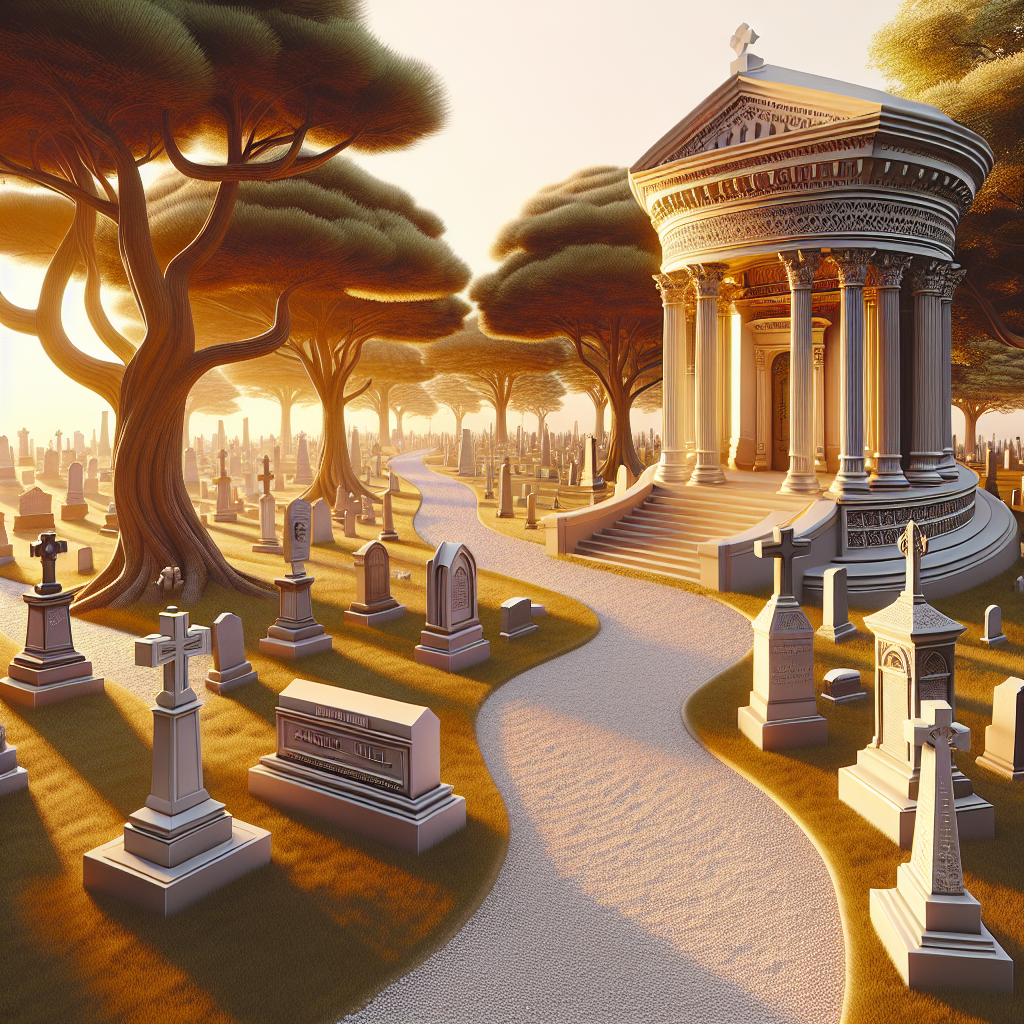

Stepping into Laurel Hill Cemetery feels like opening a touchstone into the past while walking through beautifully landscaped grounds. Established in 1836 in Philadelphia, Pennsylvania, this cemetery isn't just a resting place for those who've joined life's afterparty. It's also a vital location for history buffs, nature lovers, and those fascinated by the stories that shaped the nation. Nestled alongside the Schuylkill River, Laurel Hill spans 78 acres and is a grand, peace-bringing contrast to the bustling city life beyond its gates. Yet it remains a place steeped in tales of both triumph and tragedy, intertwining the personal with the monumental.
The creation of Laurel Hill, a brilliant brainchild by John Jay Smith, was envisioned as more than mere burial grounds. Cemeteries prior to its establishment were simple, often overcrowded churchyards. Smith wanted a green haven where people could reflect on life and its fragility. His goal was to create a 'rural cemetery' meant for quiet contemplation among nature, and that vision is well preserved today. Designed by architect John Notman, it was one of the first cemeteries to adopt the landscaping aesthetic, inspired by romantic garden designs. This shift from what cemeteries were before really shook up societal norms. Its establishment represented a push towards recognizing the importance of space to mourn in peace, but also to celebrate life itself.
Laurel Hill Cemetery is not just resting soil for those who left their own indelible marks. It's a community landmark sympathetic to the vibrancy of Philadelphia's diverse history. Among those buried here are Civil War generals, Titanic passengers, and notable civic leaders. Visiting it is like walking through the pages of striking narratives, each plot a chapter immortalizing the dearly departed's life story. Famous individuals such as the embattled military commander George Meade and renowned surgeon Dr. Thomas Dent Mutter rest here, their legacies ebbing through the generations. Every resting spot here contributes to a mosaic of stories still being told, occasionally shaped anew as the present re-evaluates the past.
Walking through Laurel Hill, the sense of calm is pervasive. Among the meticulously maintained graves and the panoramic views of the river, it's difficult to feel anything but serene. The historic and verdant vibes leave an impression on those seeking an escape from fast-paced modern life. Although the idea of visiting a cemetery might not top everyone’s outing list, here it takes on a meditative, almost artsy feel – a green gallery of lives, celebrated.
Of course, the allure of cemeteries may also come with debates. Gen Z, characterized by its passion for social justice and reform, might ponder the implications of different eras represented among the graves. Recognizing the contributions and missteps of those buried here can serve as reminders of the progress needed today. Historical figures, based on what they stood for or against, can inspire both admiration and critical reflection. For some, this can mean grappling with complicated legacies. Laurel Hill Cemetery offers a chance to explore these stories and think about how they resonate with issues like civil rights and social equity, prevalent to ongoing societal discussions.
On a lighter side, Laurel Hill is often a choice destination for those into spooky season fun, with its spectral aura drawing in many during Halloween. There’s something thrilling about the whispers of ghost stories passing through the wind rustling ancient trees. Still, that thrill remains tempered by a sense of respect for those whose resting places you tread among. Whether it’s educational programs, theatrical performances including a fall “Soul Crawl,” or just a quiet solace-seeking visit, there’s a transformative experience to be found.
Those intrigued by societal evolution can find unique comfort in this place. It stands as an architectural tribute to the changes in how we relate to death through the centuries. It’s a beautiful, poignant reminder of how celebration of life and acceptance of its impermanence can be interwoven.
The sense of unity that flows from visiting this historic site is profound. Laurel Hill Cemetery is indeed a cradle of stories but more importantly, it's a gentle guide to embracing the legacy and learning from it. Each visit can feel different too – is it a leisurely stroll today, or a window into historical contemplation? Perhaps it’s both. It’s a reminder of where we've been, and where we might hope to go. Its role in Philadelphia’s cultural ecosystem is undeniable, serving as a constant dialogue between the present and the future, the living and the memories left behind.